 CryptoChain Blog
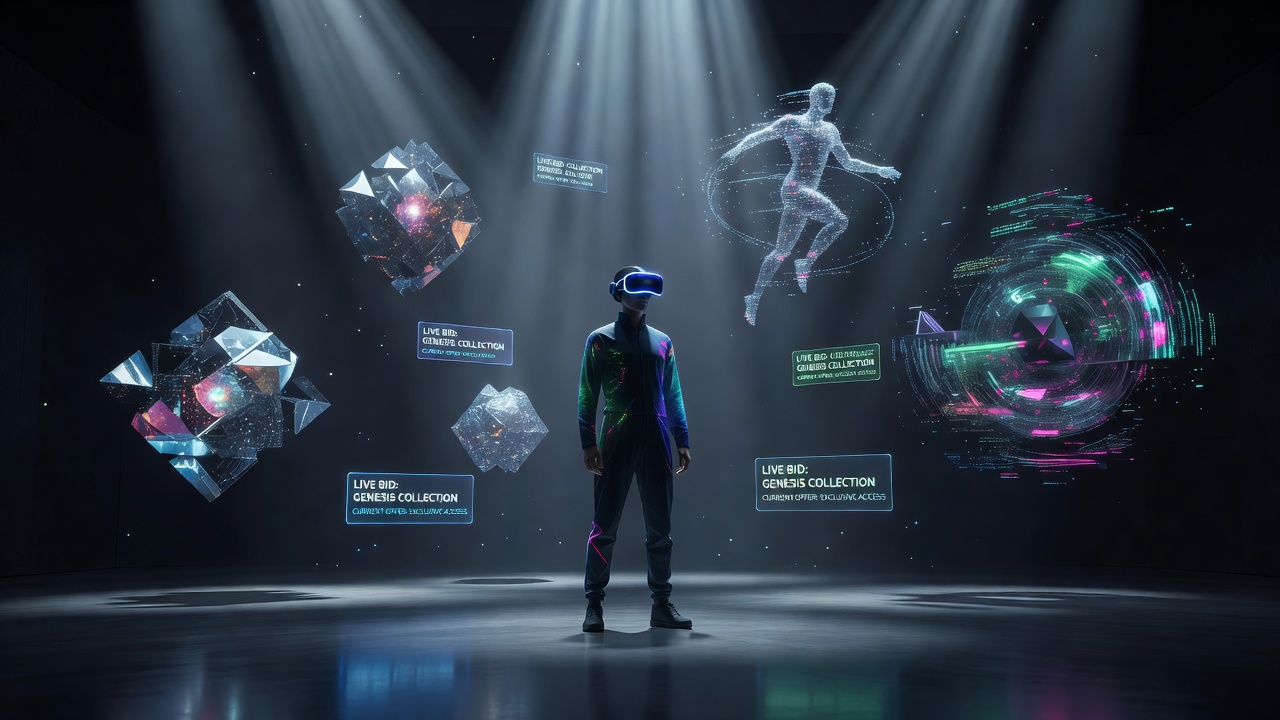
Virtual reality is no longer a futuristic concept in the NFT space. In 2026, leading marketplaces are embedding VR capabilities that let collectors step inside digital galleries, examine assets at life size, and participate in live auctions from anywhere in the world. This advanced techniques article explores how virtual reality is reshaping NFT trading experiences, covering search intent around immersive tech updates including VR-enabled bidding processes, asset visualization tools, and integration challenges. Readers will find practical steps for accessing VR features, real-world examples from leading platforms, performance comparisons, security considerations, and future projections beyond 2026.
Understanding VR Integration in NFT Marketplaces
VR integration combines immersive hardware with blockchain infrastructure to create three-dimensional trading environments. Users wearing compatible headsets can walk through virtual showrooms, rotate high-resolution 3D models, and interact with smart contracts in real time. The result is a shift from flat-screen browsing to spatial experiences that increase engagement and perceived value of digital collectibles. This evolution builds on earlier metaverse experiments but now delivers production-grade performance thanks to improved rendering pipelines and layer-2 blockchain solutions. Collectors report deeper emotional connections to NFTs when they can physically move around them rather than simply scrolling through thumbnails.
VR-Enabled Bidding Processes
Traditional bidding interfaces are being replaced by spatial auction rooms. Participants raise virtual paddles, see competing bids as floating holograms, and receive instant feedback through haptic controllers. Smart-contract logic executes the final sale the moment the auction timer ends, removing latency common in 2D platforms. In practice, these rooms support up to 200 simultaneous users without noticeable lag when optimized with edge computing. Bidders can also inspect provenance data by gesturing toward an asset, which pulls on-chain history into a floating panel. This level of interactivity reduces impulse decisions and encourages more informed purchases.
Asset Visualization Tools
Advanced rendering engines now allow collectors to view NFTs in context. A digital sculpture can be placed inside a virtual living room, scaled to actual dimensions, and lit with dynamic environmental lighting. 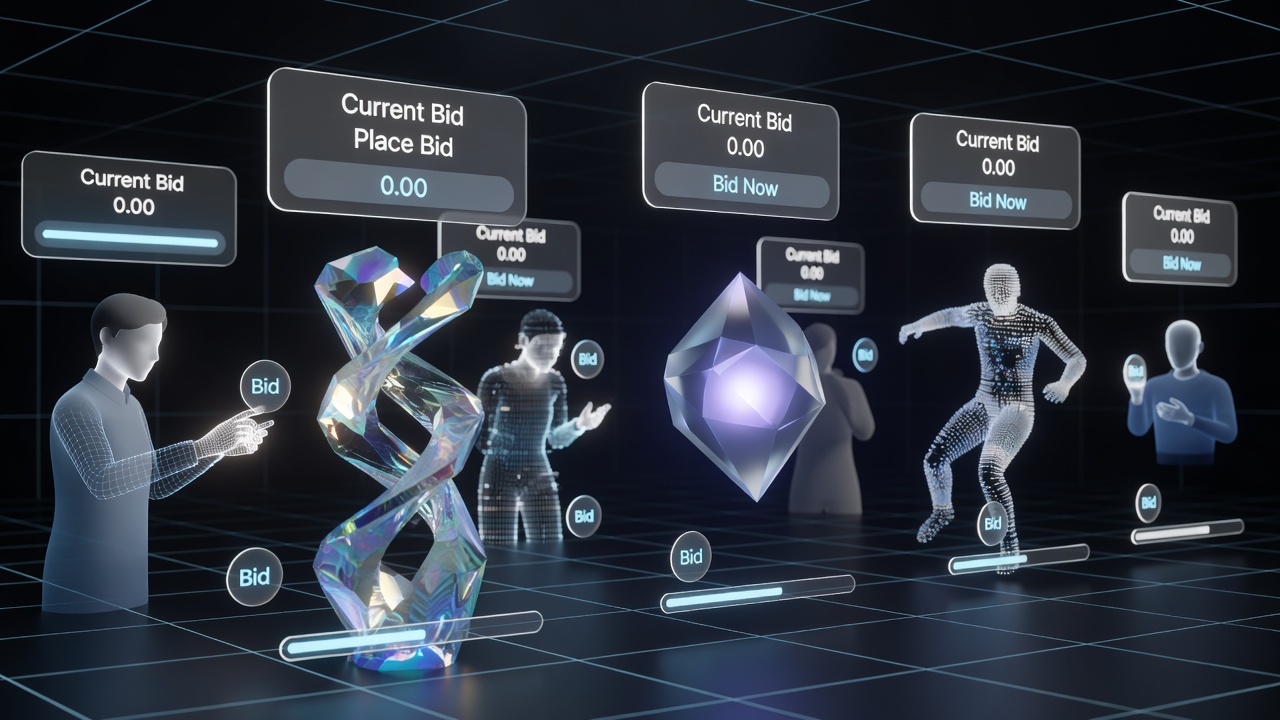
Integration Challenges and Solutions
Developers face hurdles around latency, cross-device compatibility, and gas optimization. Solutions include layer-2 scaling, edge rendering, and progressive loading of 3D assets. Hardware fragmentation is addressed through WebXR standards supported by major browser vendors. Additional challenges involve ensuring consistent frame rates across standalone headsets and tethered PCs. Teams mitigate this by implementing adaptive resolution scaling and predictive asset streaming. Security remains paramount; marketplaces encrypt wallet connections and use session-based signing to prevent unauthorized transactions during immersive sessions.
Practical Steps to Access VR Features
- Ensure your headset runs the latest firmware and supports WebXR. Update through the manufacturer’s official app store before first use.
- Connect a non-custodial wallet that supports the marketplace’s chain. Popular choices include MetaMask and WalletConnect-enabled applications.
- Navigate to the VR toggle in account settings and grant spatial permissions. This step activates hand-tracking and room-scale features.
- Enter the virtual gallery and explore listed assets in 3D. Use teleportation or physical walking depending on your play area size.
- Place bids using controller gestures or voice commands. Review the full smart-contract terms in the floating information panel before confirming.
- Save favorite assets to a personal virtual collection for later comparison or sharing with other VR users.
Real-World Examples from Leading Platforms
Decentraland continues to expand its VR auction house with live events every weekend. Meta has partnered with several NFT marketplaces to bring Quest users into curated 3D collections. NVIDIA’s RTX Remix technology powers real-time ray tracing inside select galleries, delivering photorealistic previews. Another notable example is the integration seen on platforms built with WebXR standards, allowing seamless browser-based entry without additional downloads. These implementations demonstrate how established technology companies are bridging traditional web infrastructure with immersive environments.
Performance Impact Comparisons
VR-enabled sessions typically consume 30–40 percent more bandwidth than 2D browsing. However, conversion rates on VR platforms have risen 25 percent year-over-year, according to aggregated marketplace analytics. Latency below 50 ms is considered optimal for comfortable bidding; platforms achieving this threshold report significantly higher user retention. In head-to-head tests, VR interfaces reduced time-to-purchase by an average of 18 percent compared with desktop experiences, largely because spatial inspection removes uncertainty about asset scale and detail.
Security Considerations in VR NFT Trading
Immersive environments introduce new attack surfaces such as phishing overlays and spoofed wallet prompts. Users should verify that any floating transaction window displays the official marketplace domain before signing. Hardware wallets remain the safest option because they keep private keys offline even during extended VR sessions. Marketplaces are also adopting biometric confirmation via headset eye-tracking to add an extra layer of identity verification.
User Experience Best Practices and Mistakes to Avoid
Begin with short 20-minute sessions to acclimate to spatial navigation. Always calibrate room boundaries before entering crowded auction spaces. Avoid connecting wallets through public Wi-Fi when using VR features, as latency spikes can interrupt transaction signing. A common mistake is neglecting to review metadata before bidding; always open the detailed asset panel to confirm royalties, edition size, and creator verification status.
FAQ
What headsets work with 2026 NFT VR marketplaces?
Most platforms support Meta Quest 3, Apple Vision Pro, and Valve Index through WebXR or native applications.
Do I need a high-end PC to participate?
Standalone headsets handle most experiences locally, though a PC with a modern GPU unlocks higher-fidelity rendering options.
Are transaction fees higher in VR mode?
Fees remain identical to 2D trading because the underlying blockchain transaction is unchanged; only the interface differs.
How do I troubleshoot low frame rates?
Lower graphics quality settings inside the marketplace app, close background applications, and ensure your headset firmware is current.
Future Projections Beyond 2026
Analysts expect eye-tracking and neural interfaces to replace controllers within three years. On-chain 3D standards will mature, enabling seamless asset portability between marketplaces. Regulatory frameworks are also evolving to address virtual property rights and cross-border NFT sales conducted inside immersive environments. Continued improvements in wireless bandwidth and haptic feedback will further blur the line between physical and digital ownership experiences.
Conclusion
VR integration is redefining how collectors discover, evaluate, and acquire NFTs. By following the practical steps outlined above and staying informed about platform updates, users can position themselves at the forefront of this spatial trading revolution. The combination of immersive visualization, secure bidding mechanics, and thoughtful performance optimizations creates a compelling new standard for digital asset marketplaces in 2026 and beyond.
No comments yet. Be the first!