 CryptoChain Blog
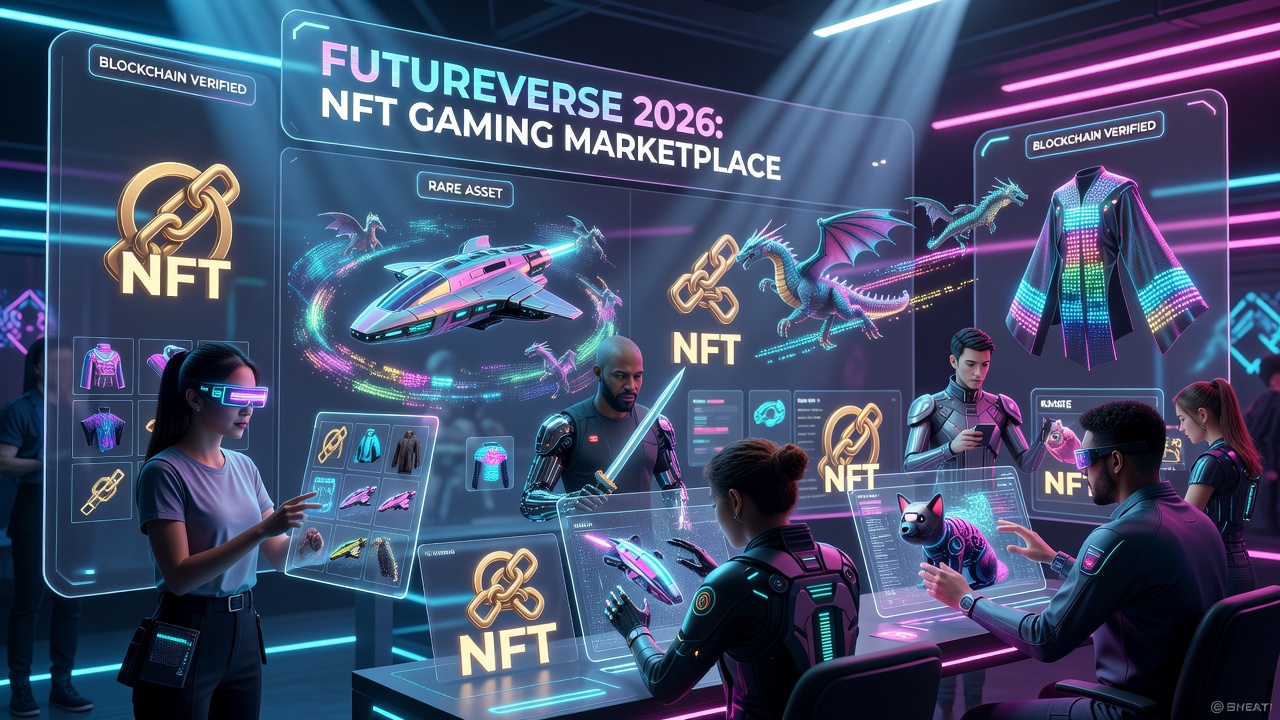
2026 NFT News: Gaming Marketplace Innovations to Watch
As 2026 unfolds, NFT gaming marketplaces continue to evolve at an accelerated pace, introducing technologies that enhance player ownership, trading efficiency, and cross-platform functionality. Traders and collectors searching for forward-looking NFT news will discover meaningful progress in refined play-to-earn systems, advanced interoperability standards, and deeper connections with metaverse environments. This comprehensive guide provides in-depth analysis, practical marketplace comparisons, real launch examples, and structured evaluation methods to support informed decisions in the current landscape.
The Evolution of Play-to-Earn Models in 2026
Play-to-earn mechanics have advanced significantly beyond early token reward structures. Contemporary models incorporate dynamic in-game economies where NFT values respond to performance metrics, player contributions, and community-driven governance decisions. Developers now prioritize sustainable token distribution mechanisms that discourage rapid sell-offs and encourage long-term participation. Artificial intelligence integration helps balance reward distribution by adjusting challenge levels according to individual skill, maintaining engagement across diverse player bases.
These refinements create new opportunities for collectors who track marketplace trends and on-chain data. Platforms supporting hybrid reward frameworks that combine NFTs with utility tokens demonstrate stronger retention rates. Real-world applications include games where seasonal events tie NFT scarcity directly to player achievements, resulting in more stable secondary market activity throughout the year.
Market participants benefit from monitoring governance proposals that influence reward allocation. Successful projects often publish transparent economic reports that detail how player actions affect overall token circulation and asset pricing.
Interoperability Features Transforming Gaming NFTs
Interoperability has emerged as a defining innovation for 2026 gaming NFTs. Standardized protocols now enable seamless asset transfers between unrelated titles, reducing previous barriers caused by isolated blockchain environments. This development increases overall liquidity because items such as characters, equipment, or virtual land maintain utility across multiple experiences rather than remaining confined to a single title.
Marketplaces adopting these features allow traders to move NFTs without complex bridging processes or loss of metadata. Projects built on open frameworks benefit from wider adoption because users retain true ownership rights. Ethereum continues to serve as a primary foundation for many interoperability solutions due to its established smart contract capabilities and developer ecosystem.
Traders should examine which marketplaces support multi-chain compatibility and verified transfer mechanisms. Assets compatible with multiple protocols typically exhibit greater resilience during market fluctuations because demand can originate from several game communities simultaneously.
Integration with Metaverse Platforms
Metaverse integrations expand the practical utility of gaming NFTs by embedding them into persistent virtual worlds. Marketplaces are forming partnerships that allow assets to function within social hubs, virtual events, and economic systems beyond isolated game sessions. Users can showcase, exchange, or deploy NFTs in environments that combine entertainment with digital commerce opportunities.
This convergence supports additional revenue models through limited-edition virtual items tied to seasonal metaverse activities. Collectors gain portfolio diversification when assets serve purposes in both gaming and broader virtual economies. Integration quality varies, so evaluation of technical compatibility and user adoption rates remains essential before making commitments.
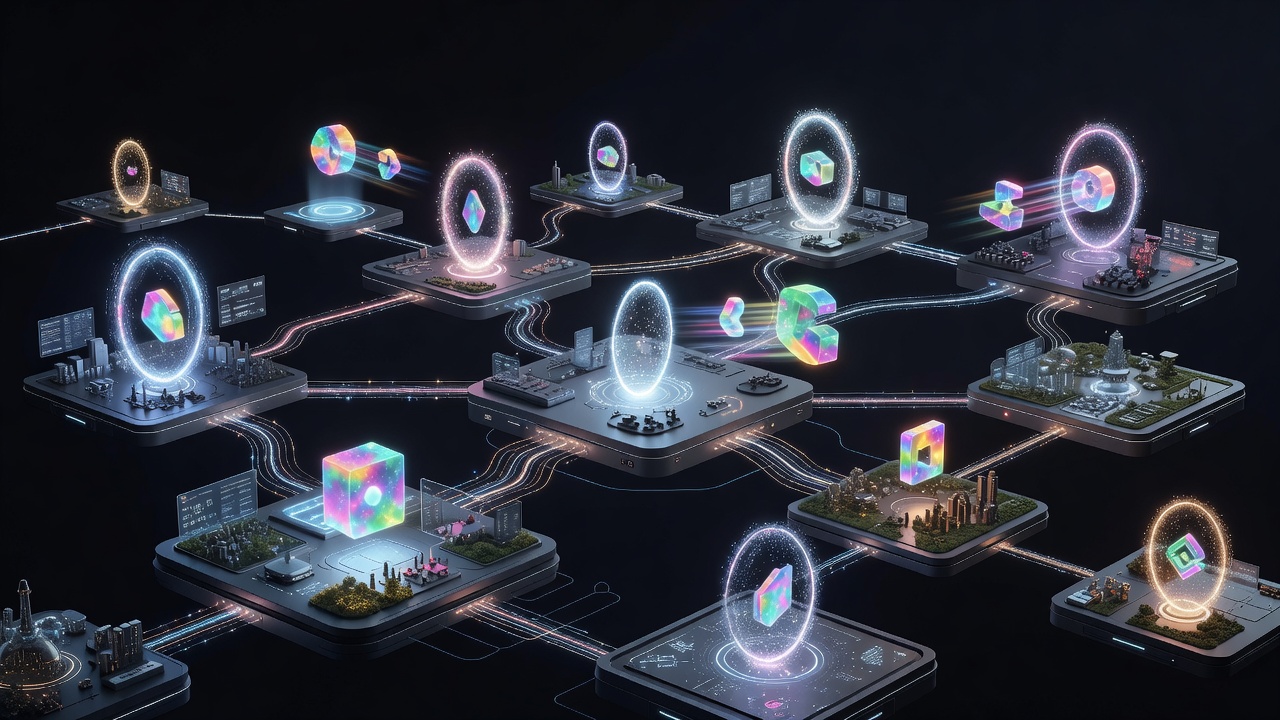
Long-term success depends on platforms that prioritize open standards, enabling NFTs to retain value even as individual metaverse projects evolve or merge.
Comparing Top NFT Gaming Marketplaces
Leading platforms in 2026 differentiate themselves through specialized tools and user experiences. Key factors for comparison include supported blockchain networks, transaction fee structures, analytics dashboards, and security auditing history.
- Platform A: Emphasizes cross-title interoperability with streamlined transfer tools and comprehensive multi-chain support that appeals to active traders seeking liquidity.
- Platform B: Focuses on metaverse-native collections featuring built-in governance voting and event-based reward systems that foster community engagement.
- Platform C: Provides detailed on-chain analytics and valuation models that help users identify emerging play-to-earn opportunities ahead of broader market recognition.
Review each platform's documentation and recent user feedback to determine alignment with individual trading strategies and risk tolerance levels.
Real-World Examples of Successful Game Launches
Several 2026 launches illustrate effective implementation of these innovations. One title introduced native cross-game NFT functionality at release, sustaining elevated trading volumes for months afterward through consistent developer updates. Another project leveraged metaverse partnerships to host recurring virtual tournaments where NFT participation directly influenced scarcity and secondary market demand.
A third example combined AI-enhanced play-to-earn rewards with interoperability features, resulting in measurable increases in both daily active users and average holding periods. These cases underscore the value of aligning entry timing with verified platform updates rather than relying solely on promotional announcements.
Observing post-launch metrics such as active wallet addresses and transfer frequency provides clearer signals than initial hype alone.
Step-by-Step Guidance on Spotting Undervalued Gaming NFTs
Applying a systematic approach improves the likelihood of identifying promising assets. Begin by reviewing on-chain metrics for collections showing increasing holder counts alongside moderate trading volume. Next, examine official development roadmaps for scheduled interoperability or metaverse enhancements that could drive future utility.
Compare current floor prices across multiple marketplaces to detect pricing inconsistencies that may indicate temporary undervaluation. Monitor governance forums and community channels for sentiment shifts related to upcoming features or economic adjustments. Finally, initiate small test acquisitions to assess liquidity and transfer reliability before committing larger positions.
Documenting observations over time helps refine personal evaluation criteria and reduces reliance on external recommendations.
Tools and Resources for Effective 2026 Trading
Utilizing reliable tools enhances decision-making efficiency. On-chain explorers provide transparent data on asset movement and ownership concentration. Marketplace-specific dashboards offer filtering options based on recent activity and price trends. Community-maintained lists of audited projects help avoid unverified collections that carry elevated technical risks.
Combining these resources with regular review of platform announcements supports proactive portfolio management throughout the year.
FAQ: Addressing Common Risks in 2026 NFT Gaming
What are the main risks with play-to-earn investments?
Primary concerns include token price volatility and potential regulatory developments. Diversification across marketplaces and asset categories helps mitigate concentrated exposure.
How does interoperability affect NFT value?
Interoperability generally boosts liquidity while introducing dependencies on protocol stability. Prioritize projects with third-party smart contract audits and proven transfer histories.
Are metaverse integrations reliable long-term?
Many demonstrate ongoing potential, yet platform-specific risks persist. Favor implementations built on widely adopted standards with active developer communities.
What tools help track undervalued NFTs?
Marketplace analytics interfaces combined with public blockchain explorers deliver real-time visibility into holder behavior and transaction patterns.
How should beginners approach first purchases?
Start with small amounts on established platforms, verify wallet compatibility, and review all transaction details before confirmation.
Conclusion
2026 presents tangible opportunities within NFT gaming marketplaces through matured play-to-earn frameworks, interoperability advancements, and metaverse linkages. By studying detailed comparisons, launch case studies, and methodical evaluation processes, traders and collectors can navigate developments with greater confidence. Consistent application of the strategies outlined supports effective participation in this evolving sector.
No comments yet. Be the first!