 CryptoChain Blog
Introduction: Turning NFT News into Marketplace Edge
In the fast-evolving NFT landscape of 2026, raw information from news sources only becomes valuable when transformed into clear signals for buying, selling, or holding. This guide focuses on practical methods to scan NFT updates, filter noise, and act on verified opportunities within major marketplaces. Readers will learn repeatable processes rather than general market commentary. The emphasis is on search intent around converting daily information flows into decision-ready insights that can be applied immediately in live trading environments.
Many beginners struggle because they consume news passively without a structured approach. Intermediate users often benefit from refining their existing routines with better frameworks and timing discipline. Throughout this article we will cover recommended sources, analysis layers, timing tactics, concrete examples, tool comparisons, common pitfalls, and a targeted FAQ section to address frequent beginner concerns.
Recommended News Sources for 2026 NFT Intelligence
Effective monitoring begins with a curated list of reliable outlets. Prioritize platforms that publish on-chain data alongside narrative coverage. Key sources include established crypto media, marketplace blogs, and protocol announcements. Cross-reference at least three outlets before treating any update as actionable. Diversifying your intake reduces the risk of echo-chamber bias and helps surface early signals that single sources might miss.
- Daily on-chain analytics feeds that highlight unusual wallet activity and large transfers
- Marketplace-specific developer updates from leading platforms that detail new features or policy changes
- Community governance forums tied to major NFT collections where proposals are debated before public rollout
- Independent research newsletters that aggregate on-chain metrics with qualitative commentary
Supplement these with direct protocol documentation and official social channels, but always verify claims against independent reporting to avoid promotional spin.
Building a Trend Analysis Framework
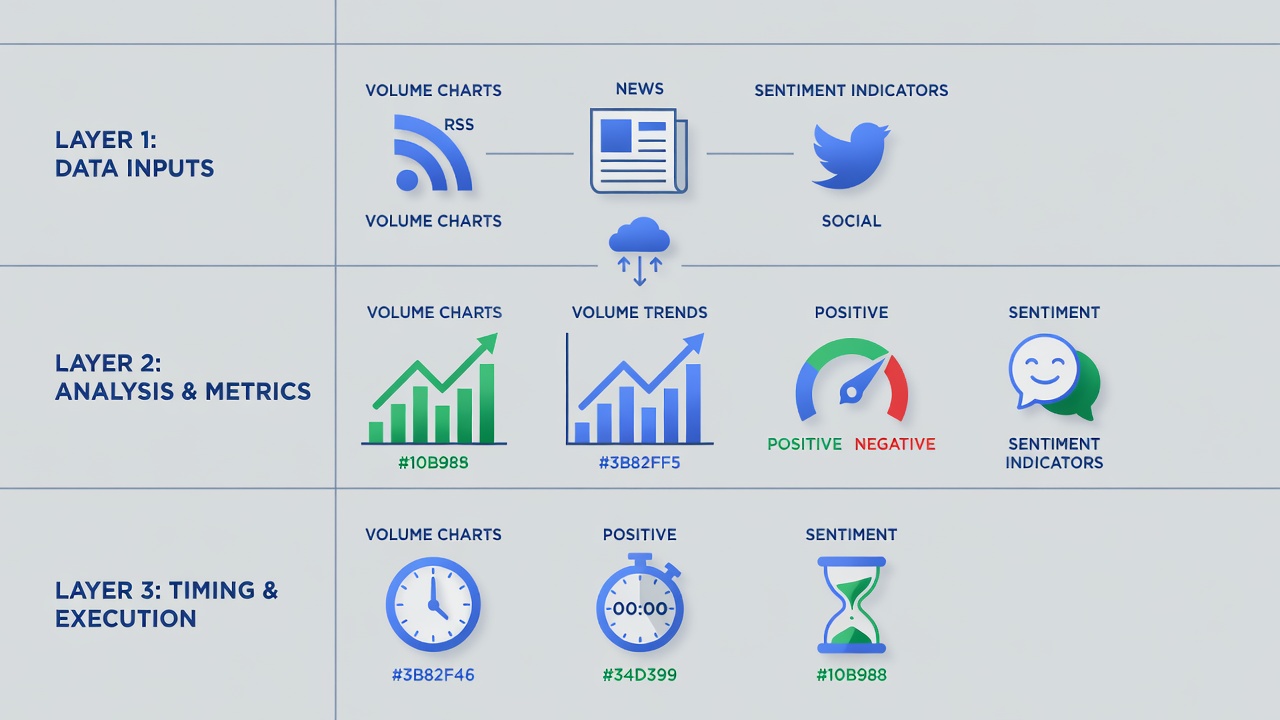
A simple yet powerful framework involves three layers: volume signals, sentiment velocity, and creator momentum. Start by logging daily mention counts across trusted channels, then map those against secondary-market sales velocity. When volume spikes coincide with positive creator announcements, the probability of short-term price movement increases. Document each layer in a personal dashboard to spot patterns over weeks rather than reacting to single headlines.
Layer one focuses on quantitative metrics such as trading volume and unique wallet participation. Layer two tracks qualitative sentiment shifts through comment tone and discussion depth. Layer three evaluates creator activity including roadmap updates and partnership announcements. Combining these layers creates a composite score that filters weak signals effectively.
Timing Strategies for Marketplace Entries
Successful timing relies on recognizing the gap between news release and market reaction. Early signals often appear in Discord or governance proposals 24–48 hours before broader coverage. Set alerts for collection-specific keywords and review on-chain transfers immediately after major announcements. Avoid entering positions during the first hour of hype-driven coverage; instead, wait for the second wave of analytical articles that provide deeper context and allow initial volatility to settle.
Practical timing also involves understanding market cycles. News released during low-liquidity periods such as weekends can produce exaggerated moves that reverse quickly. Mid-week announcements aligned with broader market hours tend to sustain longer trends when supported by genuine utility improvements.
Step-by-Step Example: Identifying a 2026 Opportunity
Consider a scenario where a mid-tier generative art collection announces a new utility integration. Step 1: Verify the announcement appears on the official project site and at least two independent news outlets. Step 2: Check recent wallet movements for accumulation by known collectors using public explorers. Step 3: Compare floor price movement against similar collections launched in the prior quarter to establish relative strength. Step 4: Execute a small test purchase only after confirming sustained volume for 12 hours. This methodical approach reduces exposure to fleeting hype and allows you to scale positions gradually based on continued positive signals.
Additional steps include reviewing smart contract interactions for the new utility and monitoring secondary marketplace order books for large sell walls that could cap upside. Documenting each decision in a trading journal helps refine the process over multiple cycles.
Comparison of NFT Monitoring Tools
Several platforms cater to different monitoring needs. One category focuses on real-time sales trackers with customizable alerts that notify users of floor price changes or unusual activity. Another emphasizes social sentiment aggregation across multiple platforms including Twitter, Discord, and Telegram. A third group combines on-chain metrics with news feeds to present a unified dashboard view. Evaluate tools based on data freshness, ease of exporting alerts, and coverage of emerging chains. Users often combine two complementary tools to create a more complete picture without paying for redundant features.
When choosing between options, consider mobile accessibility for on-the-go checks and API availability if you plan to automate parts of your workflow. Free tiers are usually sufficient for beginners while paid plans unlock historical data exports useful for backtesting strategies.
Real 2026 Marketplace Scenarios
During a major protocol upgrade in early 2026, collectors who monitored governance forums 72 hours ahead captured significant gains on related utility NFTs. Conversely, those reacting only to mainstream headlines entered after the initial surge had already peaked. Another scenario involved a surprise collaboration announcement between two established collections; traders who cross-referenced the news with on-chain accumulation data entered early and exited profitably before broader retail attention arrived.
These examples illustrate why structured news consumption outperforms passive scrolling. In each case, the decisive factor was verifying multiple independent signals rather than acting on the first headline.
Common Mistakes to Avoid
Many new participants fall into predictable traps. Over-reliance on a single news source leads to confirmation bias. Ignoring on-chain verification allows promotional narratives to drive decisions. Entering positions immediately after major announcements often results in buying at local peaks. Failing to maintain a trading journal prevents learning from both successes and errors. Avoiding these mistakes requires deliberate practice and consistent documentation of your decision process.
FAQ: Avoiding Hype and Verifying Signals
How do I distinguish real signals from paid promotion?
Cross-check any promotional claim against on-chain data and independent reporting. Legitimate opportunities typically show consistent coverage across multiple unrelated sources and demonstrate measurable on-chain activity within hours of the announcement.
What is the best frequency for checking NFT news?
Most traders review curated feeds twice daily—once in the morning for overnight developments and once in the evening for closing momentum. Excessive checking increases noise exposure and emotional decision-making.
Should beginners use paid monitoring services?
Start with free public sources and open dashboards. Only upgrade once you have a documented process that free tools can no longer support efficiently. Many successful traders continue using free resources exclusively.
How long should I wait before acting on a news item?
A minimum confirmation window of four to twelve hours is recommended for most signals. This period allows initial hype to stabilize and provides time to gather supporting evidence from secondary sources.
What role does community sentiment play in verification?
Community sentiment serves as an early indicator but should never be the sole basis for action. Combine sentiment data with volume metrics and creator updates to build a balanced view.
Conclusion
Mastering NFT news consumption in 2026 requires discipline and repeatable frameworks rather than speed alone. By combining trusted sources, layered analysis, and patient timing, traders can convert information into measurable marketplace advantages. Apply the steps outlined here consistently to build confidence and improve decision quality over time. For foundational blockchain concepts, consult ethereum.org and review marketplace documentation at opensea.io. Additional on-chain exploration resources are available through established protocol sites that provide transparent data access.
No comments yet. Be the first!