 CryptoChain Blog
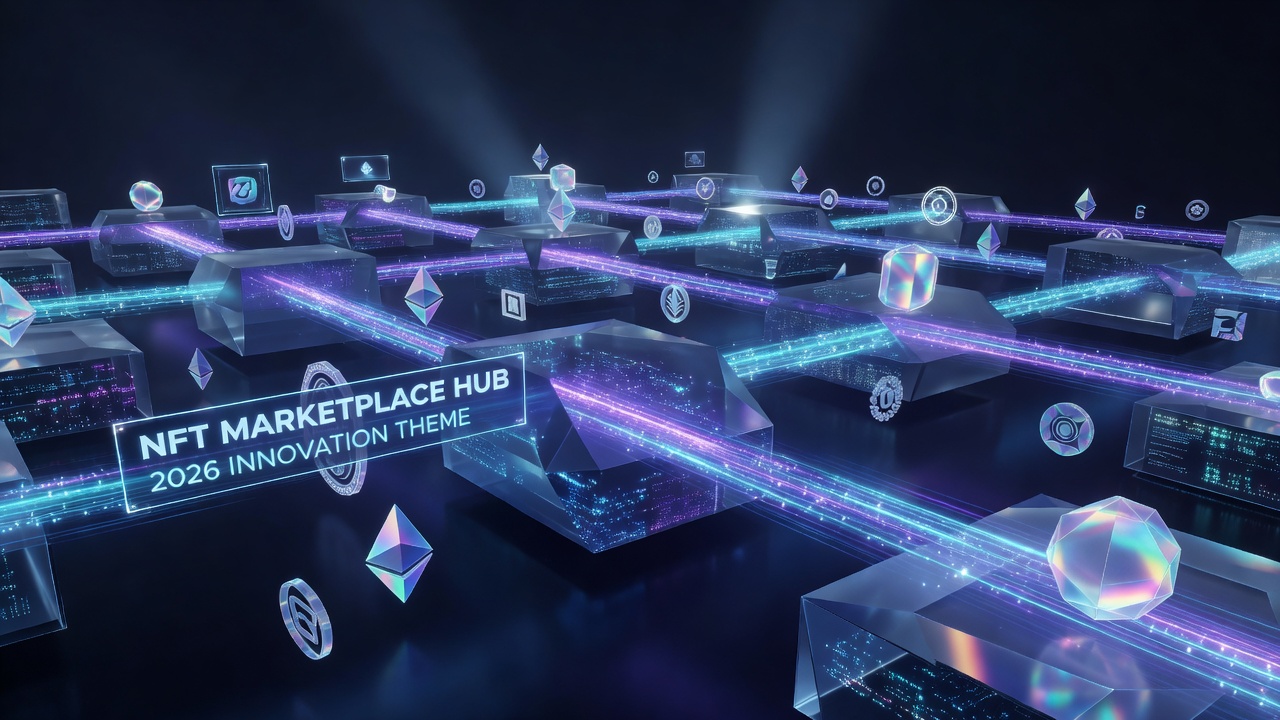
Introduction to Layer-2 Scaling in NFT Marketplaces
As NFT trading volumes continue to rise in 2026, Layer-2 (L2) scaling solutions are becoming essential for making marketplaces more accessible. These technologies build on Ethereum to handle higher transaction speeds while maintaining security. Beginners seeking faster and cheaper options will find L2 integrations particularly valuable for reducing congestion on the main network. The growth in digital collectibles has highlighted the limitations of the base Ethereum layer, where demand often leads to delays. L2 solutions address this by processing transactions off-chain in batches before settling back on the mainnet, preserving decentralization and security guarantees.
This guide explores key L2 technologies, practical migration steps, and real-world platform examples to help you navigate the evolving NFT space confidently. Whether you are a new collector or an aspiring creator, understanding these advancements can open doors to more efficient trading experiences.
Understanding Layer-2 Technologies for NFTs
Layer-2 solutions process transactions off the Ethereum mainnet while leveraging its security. Optimism and Arbitrum stand out for their optimistic rollup approach, which assumes transactions are valid unless challenged. This method enables near-instant confirmations ideal for NFT minting and trading. Optimistic rollups work by posting transaction data to Ethereum and allowing a dispute period where anyone can challenge incorrect results. If no challenges arise, the transactions finalize, resulting in substantial efficiency gains.
Integrations with these L2s allow marketplaces to offer seamless experiences without users needing deep technical knowledge. Many platforms now default to L2 networks for new listings, improving overall usability. Developers benefit too, as these solutions maintain compatibility with existing Ethereum tools and smart contracts. For NFT-specific use cases, this means assets can be minted, bought, or sold with minimal friction while still benefiting from Ethereum's robust ecosystem. Additional L2 features include sequencer mechanisms that order transactions quickly and fraud proofs that maintain trustlessness.
Fee Comparisons Before and After L2 Scaling
Before widespread L2 adoption, high gas fees on Ethereum often made small NFT trades impractical. Post-scaling, transactions on networks like Optimism and Arbitrum deliver significantly lower costs and faster processing. Users report smoother experiences when buying or selling digital collectibles, especially during peak market activity. The shift emphasizes efficiency, allowing beginners to participate without worrying about prohibitive expenses associated with mainnet activity.
In practice, this means traders can execute multiple actions in a single session without the previous bottlenecks. Marketplaces have seen increased volume as a result, with L2 becoming the preferred route for everyday interactions. Beginners should note that while mainnet remains available for high-value transfers, L2 handles the bulk of routine marketplace activity effectively.
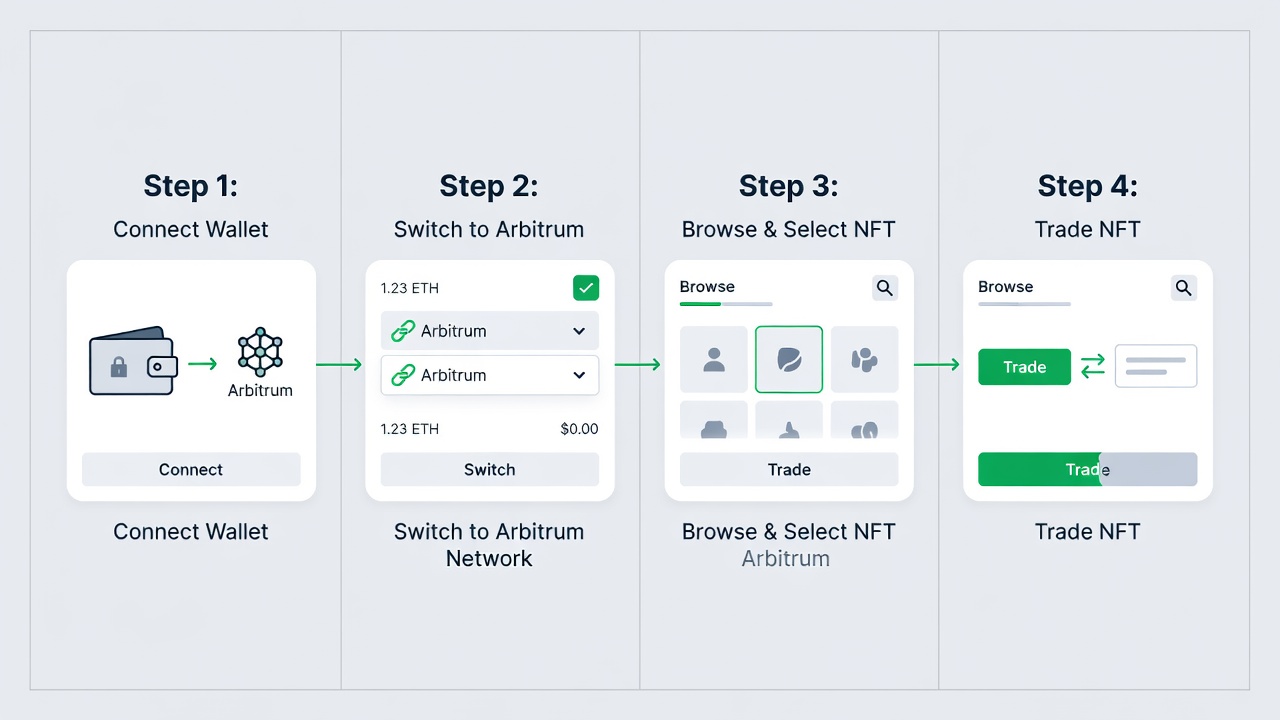
Step-by-Step Wallet Setup for L2 NFT Trading
Getting started with L2-supported wallets is straightforward. Follow these steps to prepare for optimized NFT trading:
- Choose a compatible wallet such as MetaMask and install the browser extension or mobile app from the official source.
- Create or import your wallet and securely back up the seed phrase in a safe offline location, never sharing it with anyone.
- Add the desired L2 network (Optimism or Arbitrum) via the network settings using official chain details provided in wallet documentation.
- Bridge a small amount of ETH from Ethereum mainnet to your L2 account using an integrated bridge tool within the wallet or marketplace interface.
- Connect the wallet to your chosen NFT marketplace and verify the L2 network is active before transacting, confirming the correct chain ID.
- Test with a minimal transaction to familiarize yourself with confirmation times and interface elements before larger trades.
Always double-check network selections to avoid sending assets to the wrong chain. Additional tips include enabling transaction previews in your wallet settings and keeping software updated for the latest security patches.
Comparing Optimism and Arbitrum for NFT Use Cases
When choosing between Optimism and Arbitrum, consider factors like ecosystem support and developer tooling. Optimism offers strong compatibility with many DeFi protocols that overlap with NFT platforms, while Arbitrum provides broader liquidity pools in some trading pairs. Both deliver comparable speed improvements, but testing small transfers on each can reveal personal preferences based on interface familiarity. Marketplaces often support both, giving users flexibility to switch based on current promotions or collection availability.
Real-World Examples from Leading Platforms
Leading NFT marketplaces have embraced L2 scaling to enhance user experiences. Platforms integrated with Arbitrum enable rapid minting of new collections, while Optimism support on others facilitates low-cost secondary sales. These examples demonstrate how L2 adoption drives higher engagement and broader accessibility for creators and collectors alike. Users benefit from reduced wait times, making impulse purchases and quick flips more viable in the 2026 market. Several prominent sites now route default transactions through these networks, resulting in noticeably quicker listings and bids. Creators have reported easier onboarding for new drops, with collectors appreciating the ability to participate in multiple auctions without excessive delays.
Practical Tips for Beginners in the NFT Space
To maximize L2 benefits, start small with test transactions on marketplaces supporting Optimism or Arbitrum. Monitor gas estimators within wallets to time your trades effectively. Diversify across a few L2 networks as more platforms expand compatibility. Stay updated on official documentation from Optimism and Arbitrum for the latest integrations. Finally, join community forums to learn from experienced traders about common pitfalls during migration. Consider bookmarking reliable resources and practicing bridging operations during low-activity periods to build confidence.
Common Mistakes to Avoid When Using L2 Solutions
New users sometimes overlook network confirmation steps, leading to failed transactions. Always ensure your wallet displays the correct L2 chain before confirming any action. Another frequent issue involves insufficient bridged funds for gas, so maintain a small reserve on the L2 network. Avoid rushing into large purchases without verifying smart contract addresses through official marketplace channels. Finally, do not ignore withdrawal timelines if moving assets back to mainnet, as some L2s have challenge periods that can last several days.
Frequently Asked Questions About L2 Migration
Is my existing NFT collection safe when switching to Layer-2?
Yes, NFTs remain secure on their original chains. Migration typically involves bridging or listing on L2 marketplaces without moving the underlying assets unless you choose to transfer them.
How long does wallet setup usually take?
Most users complete the process in under 15 minutes, including network additions and initial bridging, though extra time for learning interfaces is recommended for complete beginners.
Are there risks involved with L2 solutions?
Like any blockchain technology, users should verify smart contract addresses and use reputable bridges. Optimism and Arbitrum have strong track records, but always research current best practices from trusted sources.
Can I use the same wallet across multiple L2 networks?
Absolutely. Wallets like MetaMask support adding multiple networks, allowing seamless switching for different marketplace preferences and collection needs.
What happens if I send assets to the wrong network?
Assets may become temporarily inaccessible until recovered through specialized tools or support, highlighting the importance of double-checking network settings before each transaction.
Do all NFT marketplaces support L2 options in 2026?
Most major platforms now integrate at least one L2 solution, though availability varies by collection and feature. Checking the marketplace settings page provides the clearest guidance.
Conclusion
Layer-2 scaling is reshaping NFT marketplaces in 2026 by delivering the speed and affordability users demand. By understanding Optimism and Arbitrum integrations, following simple setup guides, and applying practical tips, beginners can enter the space with confidence. Explore supported platforms today to experience these advancements firsthand and stay ahead in the dynamic world of digital collectibles. For more on Ethereum foundations, visit Ethereum.org. Continued innovation in this area promises even greater accessibility for the broader community moving forward.

No comments yet. Be the first!