 CryptoChain Blog
Introduction to 2026 Music NFT Trends
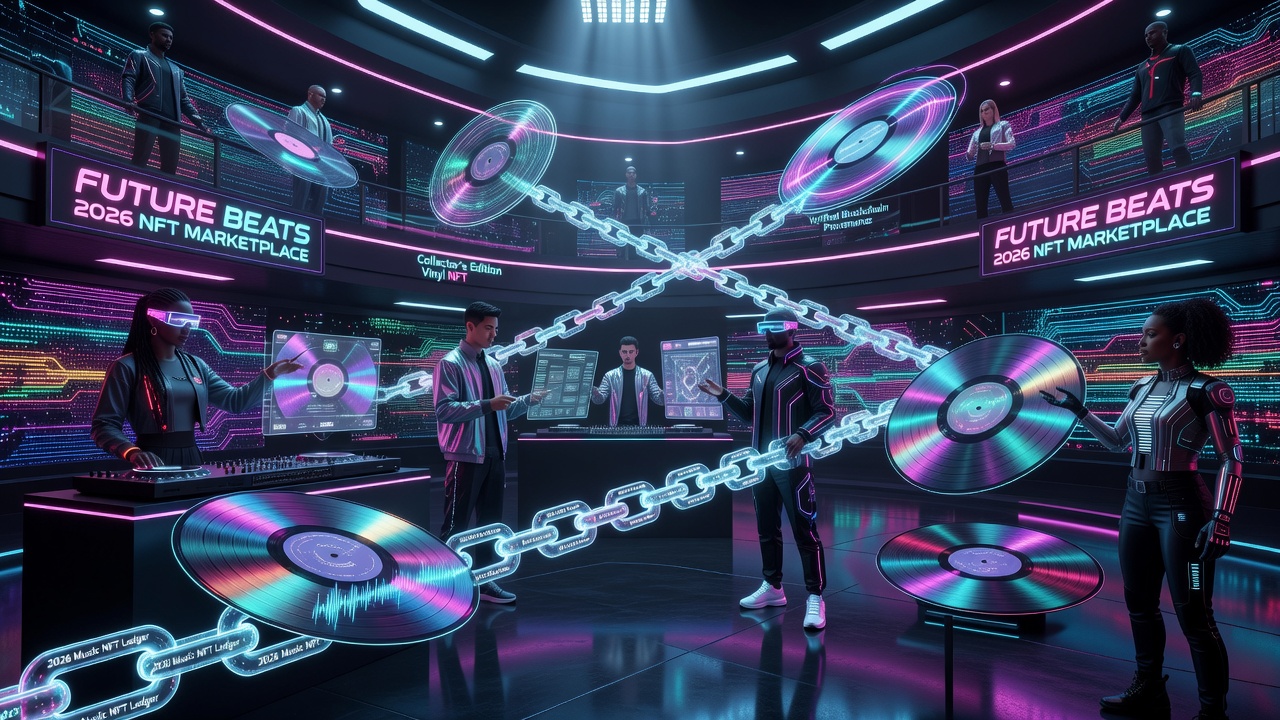
The music industry continues to evolve rapidly with blockchain technology in 2026. Artists are leveraging NFTs to create direct connections with fans through unique digital collectibles that offer exclusive utility such as access to virtual concerts, unreleased tracks, and royalty shares. This article examines the latest developments in music NFT marketplaces, helping creators and collectors navigate the space effectively. Search interest in nft news and nft marketplace insights has surged as platforms introduce innovative features tailored to musicians. From enhanced royalty enforcement to community-driven drops, 2026 marks a year of maturation for music collectibles where utility goes far beyond simple ownership proofs.
Blockchain enables verifiable scarcity and programmable benefits, allowing musicians to experiment with tiered experiences that reward early supporters. Fans gain ownership of pieces of an artist's legacy while artists retain greater control over distribution and monetization compared to traditional streaming platforms. Understanding these dynamics is essential for anyone participating in the current wave of music NFT activity.
Top Emerging Marketplaces for Music NFTs
Several platforms have risen to prominence by focusing on music-specific tools and fan engagement. Leading options include specialized marketplaces that support seamless minting and secondary sales with built-in utilities. Platforms emphasizing artist ownership and low barriers to entry for independent musicians have gained traction among emerging talent. Marketplaces integrating with major streaming services for hybrid experiences allow collectors to unlock both digital assets and streaming perks simultaneously. Emerging sites offering advanced analytics for tracking collectible performance provide creators with data-driven insights into fan behavior and drop success rates.
These marketplaces differentiate themselves through user-friendly interfaces and robust security features powered by smart contracts on established networks like Ethereum. Additional options incorporate decentralized storage solutions referenced in IPFS documentation to ensure permanent access to high-quality audio files. Collectors benefit from curated discovery sections that highlight verified artists, reducing the risk of purchasing counterfeit or low-value items. Platform governance often involves community voting on new features, fostering an ecosystem that evolves according to musician and collector needs.
Revenue Models for Music Creators
Creators in 2026 benefit from diversified income streams beyond traditional streaming royalties. Primary models include one-time sales of limited edition collectibles, ongoing revenue from secondary market transactions, and subscription-based access to exclusive content via NFT ownership. Many artists combine these approaches, allowing fans to purchase NFTs that unlock ongoing perks like behind-the-scenes content or voting rights on future releases. This model fosters stronger artist-fan relationships while providing sustainable earnings that scale with demand.
Revenue can also stem from collaborative drops where multiple artists bundle assets, splitting proceeds according to predefined smart contract terms. Some platforms enable fractional ownership, letting collectors buy shares in high-value music NFTs and participate in profit sharing. These varied structures encourage experimentation, with successful artists often iterating on models based on collector feedback and market performance data.
Comparing Royalty Structures Across Platforms
Royalty structures vary significantly, impacting long-term creator earnings. Some platforms enforce automatic royalties on all resales through immutable smart contracts, while others offer customizable rates depending on the drop type. Key differences often lie in enforcement reliability and fee transparency. Artists should evaluate platforms based on historical payout consistency and community feedback to maximize benefits from their music NFTs. Lower royalty percentages may attract more buyers but reduce per-transaction income, whereas higher rates can deter secondary trading if perceived as excessive.
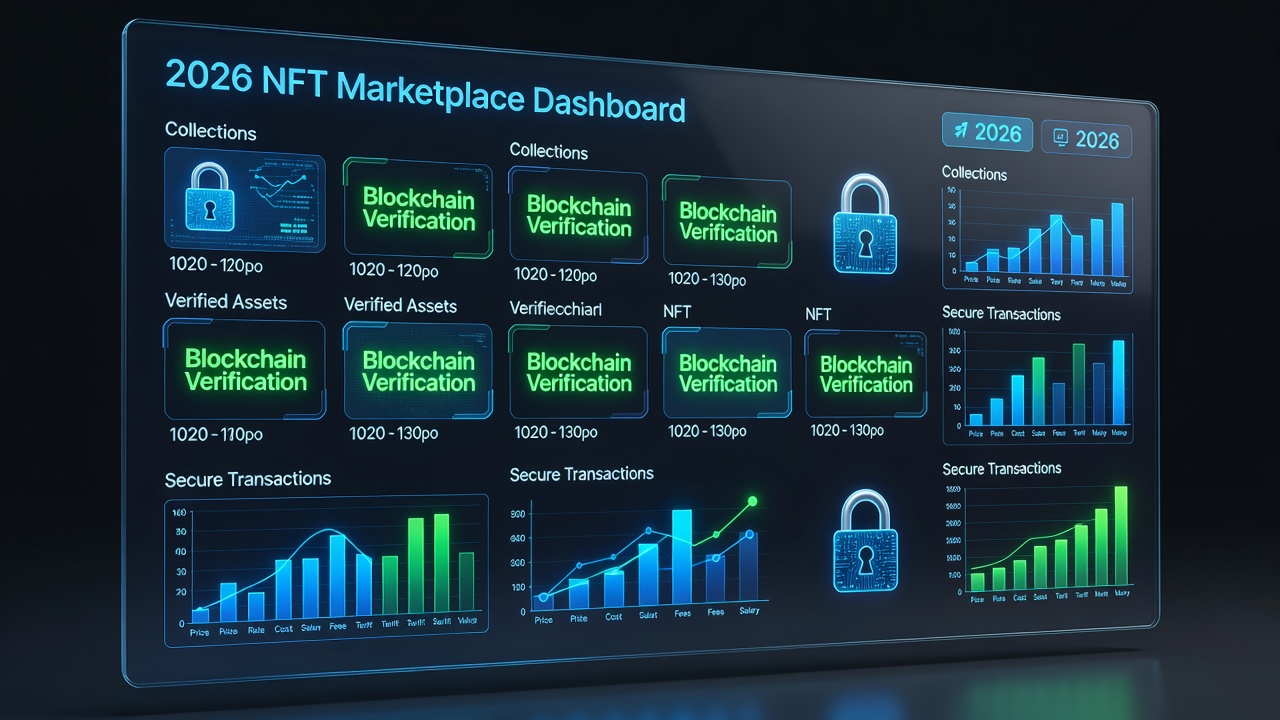
Transparent dashboards showing real-time royalty distributions help build trust. Platforms that integrate on-chain verification tools allow creators to audit every transaction without relying on third-party reports. Choosing the right structure requires balancing immediate sales volume against future passive income potential.
Practical Steps for Musicians to Mint and Sell NFTs
Musicians new to the space can follow these actionable steps to launch their own collectibles. First, set up a compatible crypto wallet and acquire the necessary cryptocurrency for transaction fees. Research gas fee trends on the chosen network to time minting during lower-cost periods. Second, choose a music-focused marketplace and create a verified artist profile by linking social accounts and submitting portfolio materials. Third, prepare digital assets such as audio files, artwork, and metadata describing utilities, ensuring all files are optimized for both quality and file size limits.
Fourth, mint the NFT using the platform's tools, setting parameters like edition size and royalty percentage after reviewing the platform's fee schedule. Fifth, promote the drop through social channels and fan communities to drive initial sales, often by teasing utility reveals in advance. Sixth, monitor secondary market activity and engage with collectors for future drops by offering exclusive updates or limited-time unlocks. Following these steps ensures a smooth entry while minimizing common pitfalls like poor metadata or inadequate promotion.
Real-World Examples from 2026 Launches
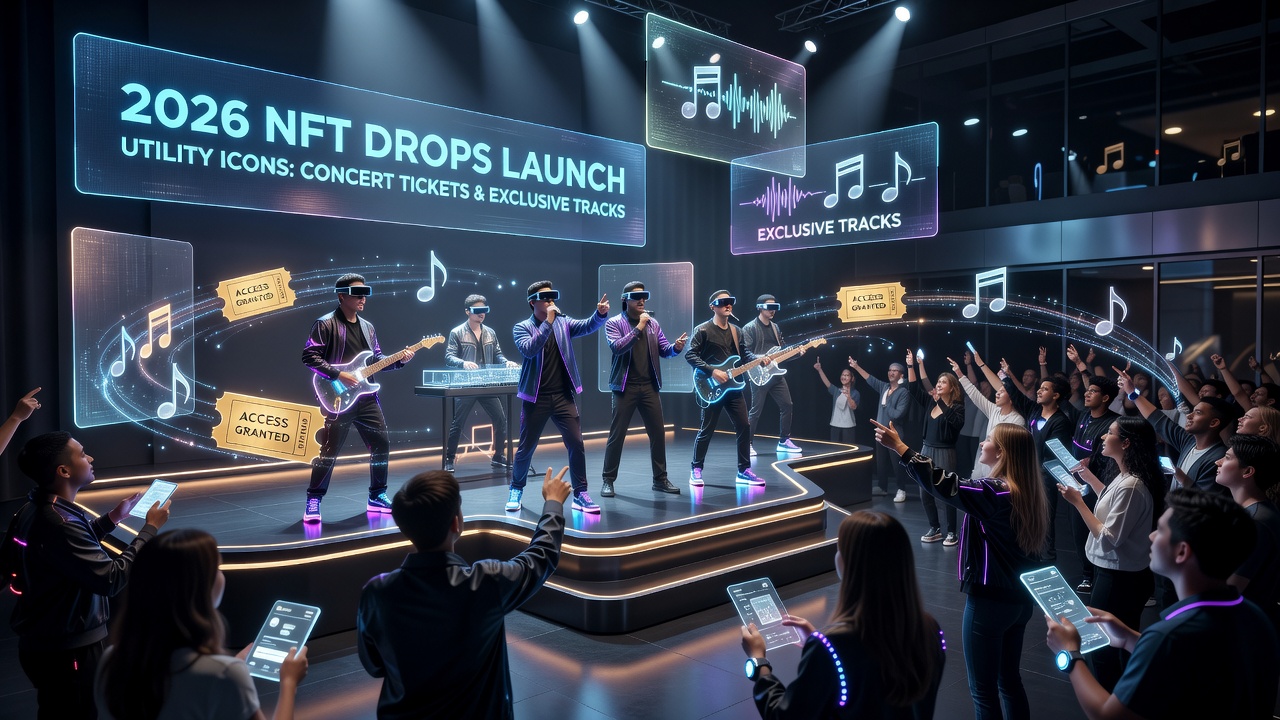
Several high-profile music NFT projects launched successfully in early 2026, demonstrating the potential of utility-focused collectibles. Independent artists have reported strong engagement through drops that bundled physical merchandise with digital ownership proofs, resulting in sold-out collections within hours of release. Established acts have also experimented with tiered access models, where NFT holders receive priority for live event tickets and personalized video messages from the artist.
One notable example involved a mid-tier electronic musician who released a series of stem files as NFTs, allowing buyers to remix tracks and earn additional revenue when their versions were streamed on partner platforms. Another launch featured a hip-hop collective offering voting rights on album artwork via NFT ownership, leading to higher retention rates among collectors. These examples highlight how thoughtful utility design drives both sales and long-term loyalty across genres.
Challenges and Solutions in the Music NFT Space
Despite growth, participants face challenges including market volatility, platform fees, and ensuring long-term utility relevance. Volatility can be mitigated by focusing on utility rather than pure speculation, while high fees may be addressed by selecting layer-2 solutions or timing transactions strategically. Ensuring utility remains valuable requires ongoing artist engagement and periodic updates to NFT perks.
Another concern is discoverability amid increasing competition. Artists overcome this by cross-promoting across multiple platforms and collaborating with influencers in the Web3 space. Education around wallet security and scam avoidance remains critical for both creators and collectors.
Future Outlook for Music Collectibles
Looking ahead, integration with augmented reality experiences and AI-generated personalized content is expected to expand NFT utility further. Marketplaces are likely to introduce more cross-chain compatibility, allowing seamless transfers between networks. These advancements will continue to reshape how musicians interact with audiences and monetize creative output.
Conclusion
As 2026 progresses, music NFTs represent a transformative opportunity for artists seeking greater control over their work and direct monetization paths. By understanding marketplace options, revenue models, and practical minting processes, musicians can position themselves for success in this dynamic ecosystem. Collectors benefit from increased transparency and unique experiences tied to their favorite artists.
FAQ: Common Questions on Music NFT Authenticity and Resale
How do I verify the authenticity of a music NFT? Check the blockchain transaction history and ensure the token originates from the artist's verified wallet or official marketplace listing. Cross-reference metadata with the creator's official website or social channels for additional confirmation.
What happens during resale of music collectibles? Royalties are typically distributed automatically to the original creator via smart contract enforcement on supported platforms, providing passive income with each transaction.
Are there risks involved in buying music NFTs? As with any digital asset, market volatility exists, but established platforms with strong community governance reduce many associated risks through verified listings and escrow mechanisms.
Can music NFTs include physical components? Yes, many 2026 drops bundle digital tokens with physical items such as limited-edition merchandise or signed artwork, verified through the NFT metadata.
How long do utilities typically last? Utilities vary by project but often include lifetime access to certain perks or time-limited experiences that renew annually based on collector status.
No comments yet. Be the first!