 CryptoChain Blog
Introduction to NFT Options Trading in 2026
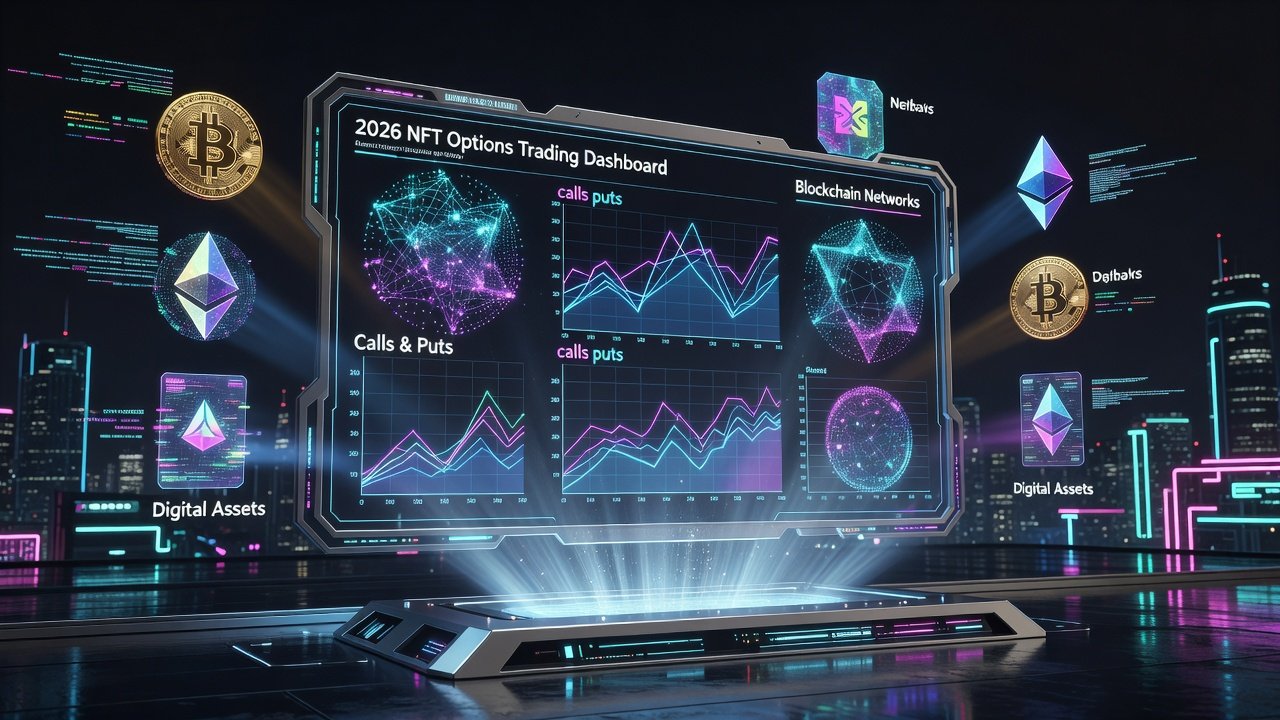
The NFT market has evolved significantly by 2026, incorporating sophisticated derivatives like options and perpetual contracts that allow traders to manage risk and pursue enhanced returns beyond simple buying and selling of digital collectibles. Traders now leverage calls, puts, and perpetuals to hedge positions, speculate on volatility, and generate yields in decentralized marketplaces. This comprehensive guide explores the mechanics, top platforms, practical strategies, and essential risk frameworks for both beginners and seasoned participants seeking to navigate this dynamic space effectively. Understanding these tools is crucial as NFT ecosystems integrate deeper with DeFi protocols, creating opportunities for sophisticated portfolio management that were unavailable just a few years prior.
Core Mechanics: Calls, Puts, and Perpetuals Explained in Detail
NFT options function similarly to traditional financial derivatives but are tied to unique digital assets with inherent scarcity and cultural value. A call option grants the right to buy an NFT at a strike price before expiration, ideal for bullish outlooks on popular collections like generative art or virtual land. For example, if a trader anticipates a surge in a specific blue-chip NFT's floor price due to upcoming utility announcements, purchasing a call allows leveraged upside without full ownership costs. Conversely, put options allow selling at a predetermined price, protecting against downturns in volatile markets where hype cycles can lead to rapid corrections.
Perpetual contracts, lacking expiration, enable continuous trading with funding rates that balance long and short positions, making them suitable for ongoing exposure to NFT price movements. These tools provide leveraged exposure without owning the underlying NFT outright, but they require careful monitoring of liquidation thresholds and margin requirements. In 2026 marketplaces, smart contracts automate settlement, reducing counterparty risk through transparent code execution on blockchain networks. Liquidity pools and oracles ensure accurate pricing based on floor values and trading volumes across collections, though traders must account for oracle manipulation risks in less established markets. Real-world examples include using calls during NFT drops to amplify gains or puts to safeguard against broader crypto market downturns affecting NFT valuations.
Leading Platforms: Fees, Liquidity, and User Experience Compared
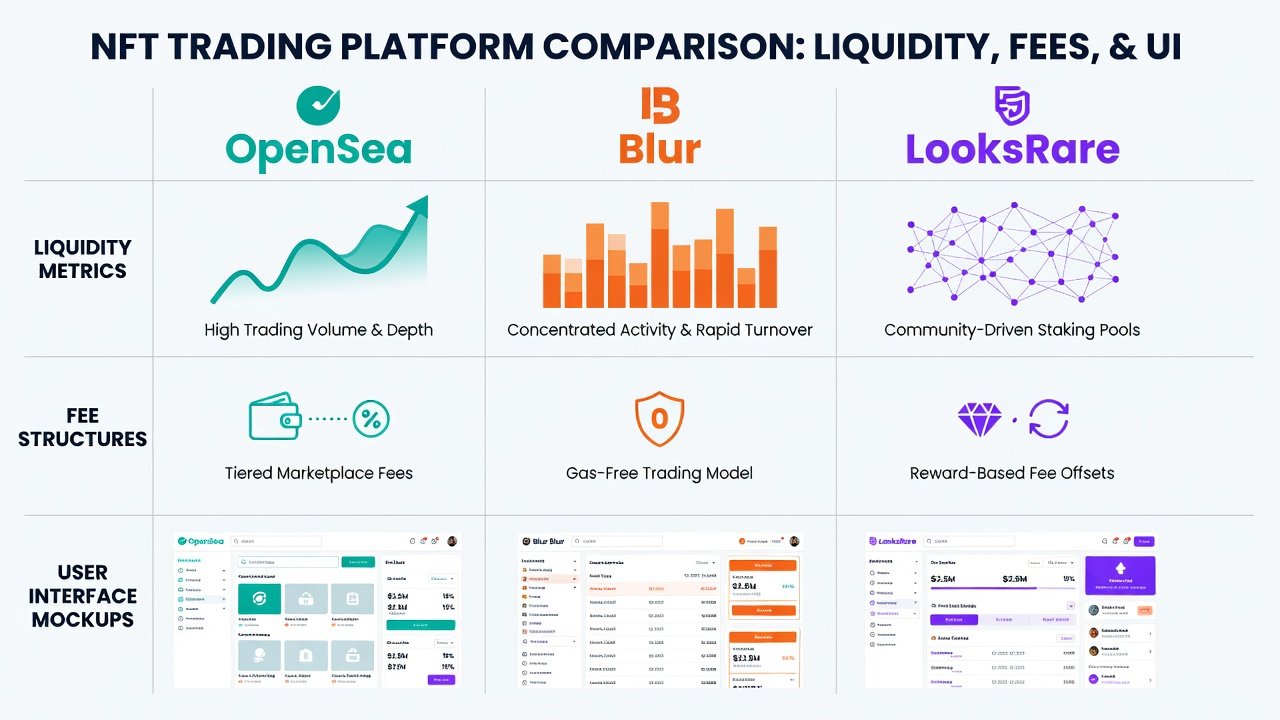
Several platforms dominate NFT options trading in 2026, each with distinct strengths in trading fees, liquidity depth, and interface intuitiveness. Key factors include trading fees that impact overall profitability, liquidity that affects order execution speed, and user experience that determines accessibility for different trader types. Top contenders emphasize real yield generation through staking rewards and premium collection on options sales, allowing participants to earn passive income while holding positions. Users should evaluate on-chain transparency, integration with major wallets, and security audits to ensure safe participation.
Platforms with high liquidity support tighter spreads, enabling efficient entry and exit even during high-volume events like major NFT launches. User experience varies, with some offering advanced charting tools and analytics for experienced traders, while others prioritize simplified onboarding for retail participants new to derivatives. Qualitative assessments show that platforms focusing on perpetuals often provide better funding rate transparency, whereas options-focused ones excel in strike price customization and expiration flexibility. Always review community feedback and historical uptime metrics before committing significant capital.
Risk Management Frameworks for Sustainable Trading
Effective risk management starts with position sizing limited to 5-10% of total portfolio per trade to prevent catastrophic losses from adverse moves. Use stop-loss orders and diversify across multiple NFT collections to mitigate concentration risk. Monitor implied volatility to avoid overpaying premiums during market swings, and implement regular portfolio reviews to adjust for changing market conditions such as regulatory shifts or technological upgrades in blockchain infrastructure. Additional layers include stress testing strategies against historical NFT market crashes and maintaining a reserve of liquid assets for margin calls. By combining these elements, traders can build resilient approaches that balance aggressive yield-seeking with capital preservation.
Hedging Step-by-Step Tactics with Practical Examples
- Identify exposure: Assess your NFT holdings' correlation to market indices and specific collection trends to determine net directional bias.
- Select instrument: Buy puts for downside protection or sell calls for income if your outlook is neutral to mildly bullish on a collection.
- Calculate size: Match option notional value to 50-75% of spot position to achieve balanced hedge without overcomplicating the portfolio.
- Monitor and adjust: Roll positions or close early based on delta changes and emerging news that could influence NFT demand.
- Exit strategy: Set predefined profit targets and loss limits, then execute systematically to avoid emotional decisions during volatility spikes.
These steps, when followed consistently, help transform raw exposure into managed risk, with examples like hedging a PFP collection during earnings season for related metaverse projects.
Portfolio Allocation Tips for Optimized Returns
Allocate 60% to blue-chip NFTs for stability, 25% to options strategies for yield enhancement, and 15% to cash or stablecoins for opportunistic entries. Rebalance quarterly based on performance reviews and market sentiment indicators. Consider correlation risks across correlated assets like blue-chip collections that often move together during broader crypto rallies or corrections. Scenario planning, such as allocating more to puts ahead of anticipated macroeconomic events, can further refine this approach for consistent long-term growth.
Onboarding Processes and Best Practices
Start by connecting a compatible wallet to the chosen platform after verifying security features like multi-signature support. Complete KYC if required for fiat on-ramps, then deposit assets into the trading account. Approve relevant smart contracts carefully, reviewing permissions to limit exposure. Begin with small test trades to familiarize yourself with the interface before scaling up. Educational resources on most platforms guide new users through options mechanics, including video tutorials and simulated trading environments that build confidence without real capital at risk.
Common Pitfalls to Avoid for New and Experienced Traders
- Over-leveraging without understanding liquidation mechanics, which can wipe out positions rapidly in fast-moving NFT markets.
- Ignoring funding rates on perpetuals, leading to unexpected costs that erode yields over extended holding periods.
- Trading illiquid collections with wide spreads that make entering and exiting positions costly and inefficient.
- Neglecting gas fees during high network congestion, which can significantly impact small trade profitability.
- Failing to verify oracle reliability for price feeds, exposing trades to potential manipulation or inaccurate valuations.
- Overlooking tax reporting requirements that vary by jurisdiction and can lead to compliance issues if not tracked properly.
Platform Comparison Table
| Platform | Fees | Liquidity | UX Rating | Yield Features |
|---|---|---|---|---|
| Platform A | Low | High | Excellent | Premium staking |
| Platform B | Medium | Medium | Good | Perpetual rewards |
| Platform C | Variable | High | Advanced | Options vault yields |
FAQs
What are the main differences between calls and puts in NFT trading?
Calls profit from rising prices, while puts benefit from declines, offering flexible directional strategies tailored to market views.
How do perpetuals differ from traditional options?
Perpetuals have no expiry and use funding rates to maintain price alignment with spot markets, suiting continuous trading needs.
Are there tax implications for NFT options?
Consult local regulations, as derivatives often trigger capital gains events upon settlement or exercise of contracts.
Which platform suits beginners best?
Those with intuitive interfaces and educational tools reduce the learning curve for new traders entering the options space.
For deeper insights into blockchain foundations, explore ethereum.org. Learn more about derivatives from investopedia.com. Review regulatory perspectives at sec.gov.

No comments yet. Be the first!