 CryptoChain Blog
Introduction to NFT Portfolio Tracking in 2026
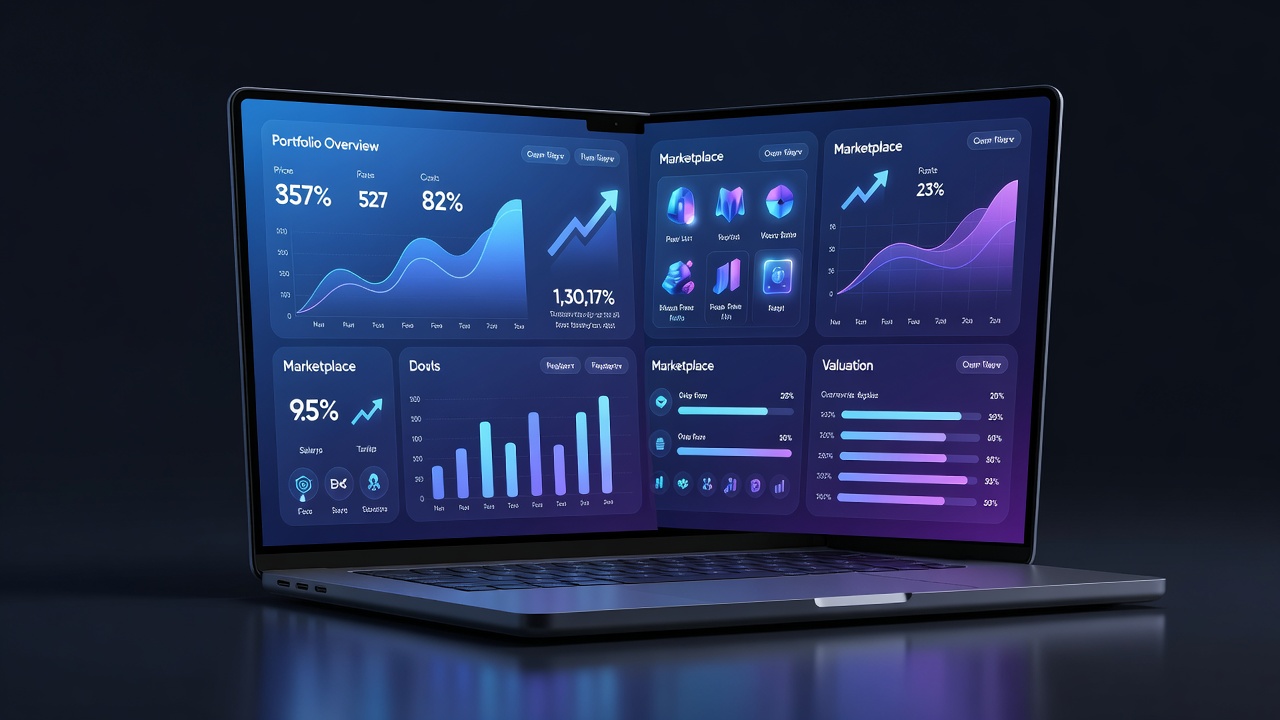
NFT investors face increasing complexity as marketplaces evolve rapidly. Efficient portfolio tracking tools have become essential for managing holdings amid volatile market conditions and frequent updates. These platforms simplify asset oversight by providing real-time data, seamless integrations, and actionable insights that help collectors stay ahead of price swings and news cycles. This guide explores leading solutions tailored for 2026, focusing on features that address search intent for simplified management across major platforms. Whether you're a beginner or seasoned collector, understanding these tools helps maintain control over diverse NFT collections that may span multiple blockchains and exchanges.
Portfolio tracking has shifted from manual spreadsheets to sophisticated dashboards that aggregate data automatically. Investors no longer need to refresh multiple browser tabs; instead, centralized solutions pull live information from wallets and marketplaces. The result is reduced risk of missing important price movements or overlooking undervalued assets in a fast-moving space.
Why Effective Tracking Matters for NFT Investors
With NFTs spanning multiple platforms like OpenSea and Rarible, manual monitoring is impractical. Tools that aggregate data reduce errors and highlight opportunities. Key benefits include instant visibility into valuations and automated notifications for price movements that can occur within minutes during peak trading hours. Investors also benefit from historical performance analysis, enabling better decision-making during market shifts. For example, an investor holding a collection of generative art pieces across Ethereum and Polygon can view unified floor prices and rarity rankings without switching apps.
Effective tracking also supports emotional discipline. Seeing a complete picture prevents panic selling during dips or over-enthusiasm during hype cycles. Integration with major marketplaces ensures comprehensive coverage without switching between apps, which is especially valuable when new collections launch and liquidity fragments across platforms.
Top 2026 NFT Portfolio Tracking Platforms
Several advanced platforms stand out for their robust capabilities. NFTGuard 2026 offers real-time valuations and cross-marketplace syncing with support for over 15 blockchains. PortfolioNFT Pro emphasizes customizable alerts and detailed analytics dashboards that include rarity scores and historical sales data. Another strong option is TrackNFT Hub, known for its user-friendly interface and tax-ready reports that categorize transactions by acquisition date and cost basis. These tools prioritize security and scalability to handle growing collections that may include thousands of individual assets.
Additional contenders include ChainSight Analytics, which excels at on-chain metrics, and NFTVault Monitor, popular for its mobile-first design. Each platform differentiates itself through unique strengths such as API depth, community features, or specialized reporting for institutional users.
Key Features Comparison
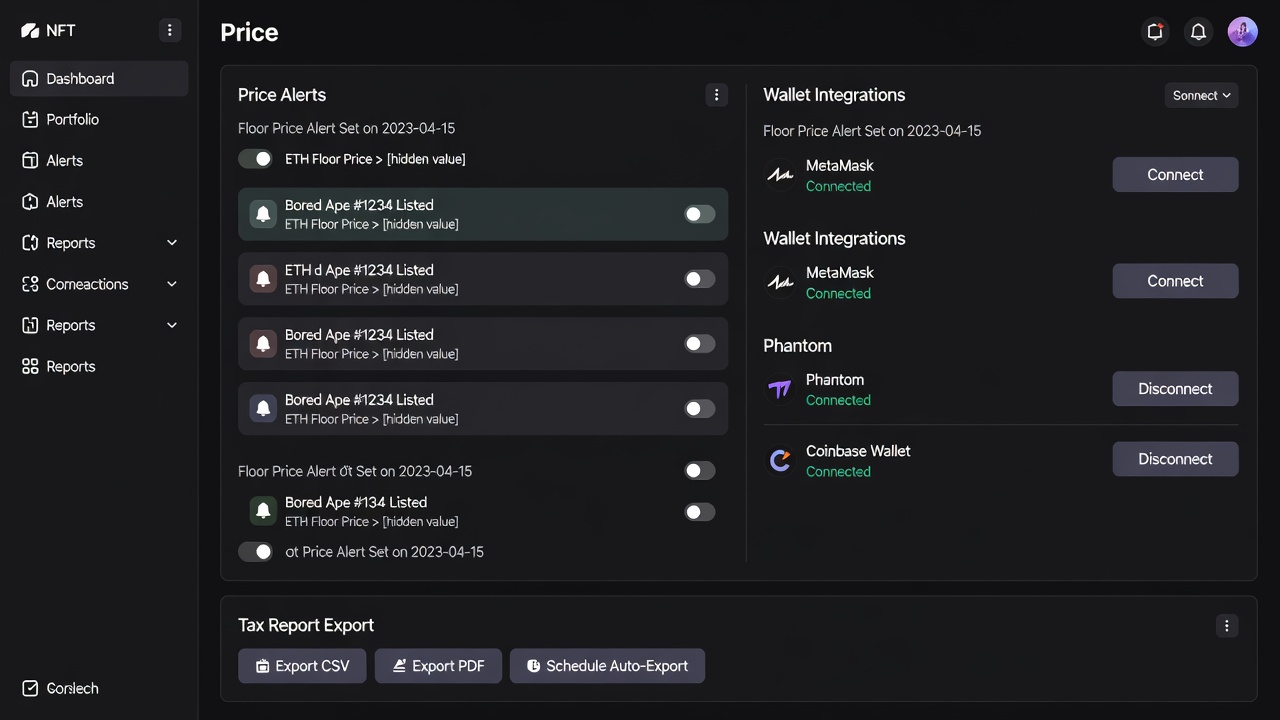
- Real-time valuations across Ethereum and Solana ecosystems with historical trend graphs
- Direct integration with leading marketplaces for automatic updates every few minutes
- Price shift alerts via email or mobile push notifications with customizable thresholds
- Exportable reports for compliance and record-keeping in multiple formats
- Portfolio performance benchmarks against major NFT indices
Step-by-Step Setup for NFTGuard 2026
Begin by creating an account on the platform's website and verifying your email. Connect your wallet using secure authentication methods such as WalletConnect or hardware wallet pairing. Next, link your marketplace accounts such as those on OpenSea through API permissions that grant read-only access to your listings and ownership records.
Configure alerts by selecting specific NFTs and setting threshold values for price changes, for instance notifying you when a floor price drops below a chosen percentage. Finally, enable tax reporting modules to categorize transactions automatically by date and type. This process typically takes under 15 minutes for most users and includes optional tutorial walkthroughs that guide new users through each screen.
Free vs Premium Options: Making the Right Choice
Free tiers provide basic tracking and limited alerts, suitable for small portfolios under 50 assets. Premium subscriptions unlock advanced features like unlimited integrations, priority support, and enhanced analytics including predictive modeling based on trading volume. Evaluate your collection size and frequency of trades to decide which tier fits your workflow. Many users start with free versions before upgrading as needs grow. Always review trial periods to test premium functionalities firsthand, paying attention to data export limits and alert frequency caps that may affect daily monitoring routines.
Practical Tips for Tax Reporting with NFT Tools
Accurate tax documentation is critical for compliance. Use built-in export functions to generate CSV files compatible with accounting software like QuickBooks or specialized crypto tax platforms. Track acquisition costs, sale proceeds, and any royalties received while noting the exact timestamp of each transaction. Cross-reference data with official resources from IRS for U.S. filers. Tools that timestamp transactions help maintain audit-ready records. Consider consulting a tax professional for complex international holdings that involve multiple jurisdictions and varying capital gains rules.
Integrations with Major Marketplaces
Seamless connections to platforms like OpenSea and Rarible streamline data flow by pulling metadata, ownership history, and current listings automatically. Ensure your chosen tool supports the blockchains relevant to your assets, such as those detailed on Ethereum.org. Additional integrations with Blur, Magic Eden, and Foundation provide broader coverage for collectors active on secondary markets.
Real-World Example: Tracking a Multi-Marketplace Portfolio
Consider an investor with 120 NFTs spread across OpenSea, Rarible, and a Solana marketplace. After connecting wallets, the dashboard shows aggregated floor values, unrealized gains, and pending offers in a single view. When one asset receives a bid 30 percent above its previous sale price, an alert triggers within seconds, allowing quick response without constant manual checking.
Security Best Practices
Always use read-only API keys and enable two-factor authentication on the tracking platform. Regularly audit connected wallets and revoke access if any suspicious activity appears in transaction logs. Avoid platforms that require full wallet signing permissions for basic tracking functions.
Common Mistakes to Avoid
- Neglecting to verify wallet connections regularly, which can lead to outdated data
- Ignoring alert customization leading to notification overload and missed important signals
- Failing to export reports before tax deadlines, resulting in incomplete filings
- Overlooking blockchain-specific fees when calculating net returns
Future Trends in NFT Portfolio Tools for 2026
Expect deeper AI-driven insights that predict potential price movements based on social sentiment and on-chain activity. More platforms will incorporate decentralized identity verification to enhance security while maintaining user privacy. Cross-chain bridging features will become standard, allowing seamless tracking even when assets move between networks.
FAQ: Addressing NFT Portfolio Oversight Challenges
How do I handle NFTs on multiple blockchains?
Choose tools with multi-chain support to aggregate all assets in one view without manual imports, ensuring the platform indexes both EVM-compatible chains and non-EVM networks like Solana.
What if a marketplace API changes?
Reputable platforms issue updates quickly; monitor their status pages for notifications and enable automatic sync retries in your settings.
Are these tools secure for high-value collections?
Look for end-to-end encryption and read-only wallet permissions to minimize risks while still receiving accurate data.
Can I track floor prices automatically?
Yes, most 2026 tools include floor price monitoring with customizable thresholds and historical comparison charts.
How often should I review my portfolio reports?
Weekly reviews are recommended for active traders, while monthly checks suffice for long-term holders focused on tax preparation.
Conclusion
Adopting the right NFT portfolio tracking tool in 2026 empowers investors to navigate marketplace dynamics confidently. By leveraging real-time features, integrations, and reporting capabilities, you can focus on strategic decisions rather than manual data entry. Start exploring options today to optimize your oversight process and protect your digital asset investments over the long term.

No comments yet. Be the first!