 CryptoChain Blog

Introduction to NFT Subscriptions in 2026
NFT subscriptions have emerged as a powerful mechanism for creators seeking stable, recurring income in the evolving digital asset landscape. By offering exclusive content drops, enhanced royalty structures, and cross-platform benefits, these models allow artists, musicians, and developers to build sustainable revenue streams beyond one-time sales. This approach aligns with broader Web3 trends where community engagement drives long-term value. In 2026, creators are increasingly turning to these systems to combat the volatility of traditional NFT sales, creating predictable income while fostering deeper connections with their audience. The shift toward subscriptions reflects a maturation of the NFT space, where utility and ongoing engagement matter more than fleeting hype.
Understanding Subscription Models for Creators
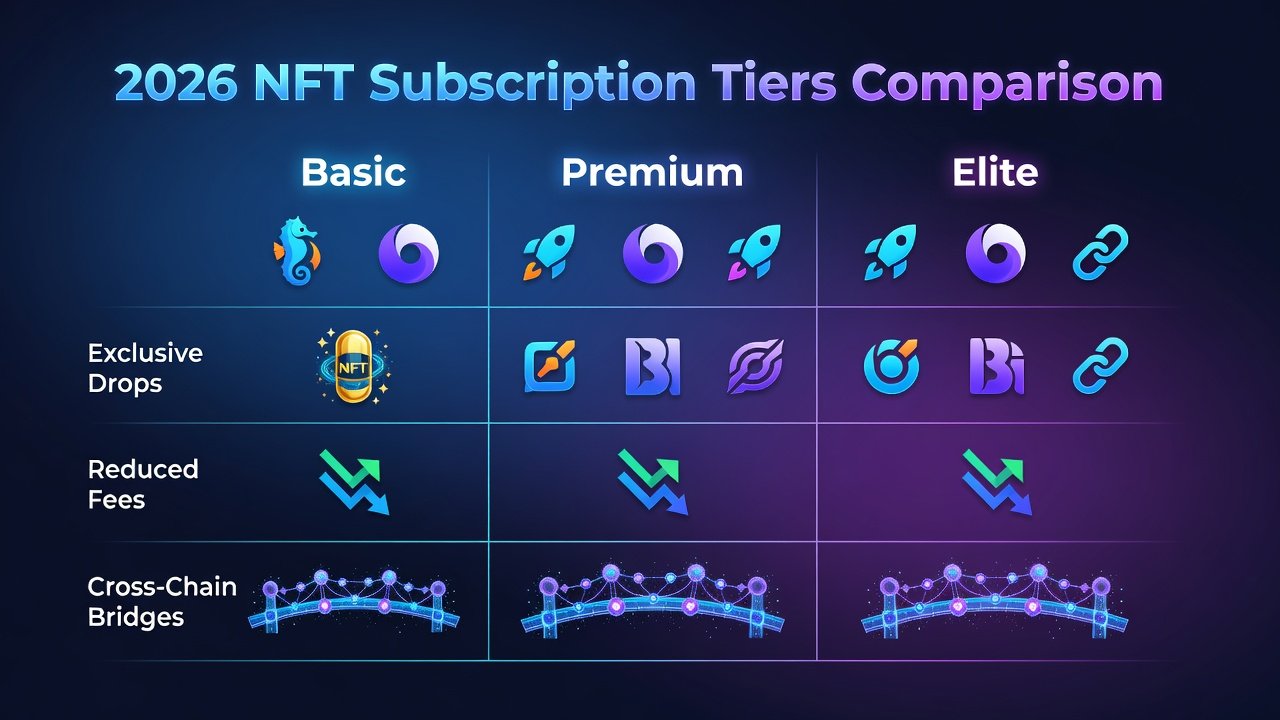
Subscription-based NFTs typically involve tiered access where collectors pay recurring fees for ongoing perks. These can include early access to new drops, royalty boosts on secondary sales, and integrations with other platforms. Creators benefit from predictable cash flow, while subscribers gain ongoing utility from their holdings. Key elements often encompass automated renewals via smart contracts and customizable exclusivity levels. For example, a visual artist might offer monthly digital art packs exclusively to subscribers, while a game developer could provide in-game items tied to subscription tiers. This model encourages long-term holder loyalty and reduces reliance on sporadic marketplace auctions.
Comparing Top Platforms: OpenSea vs Blur
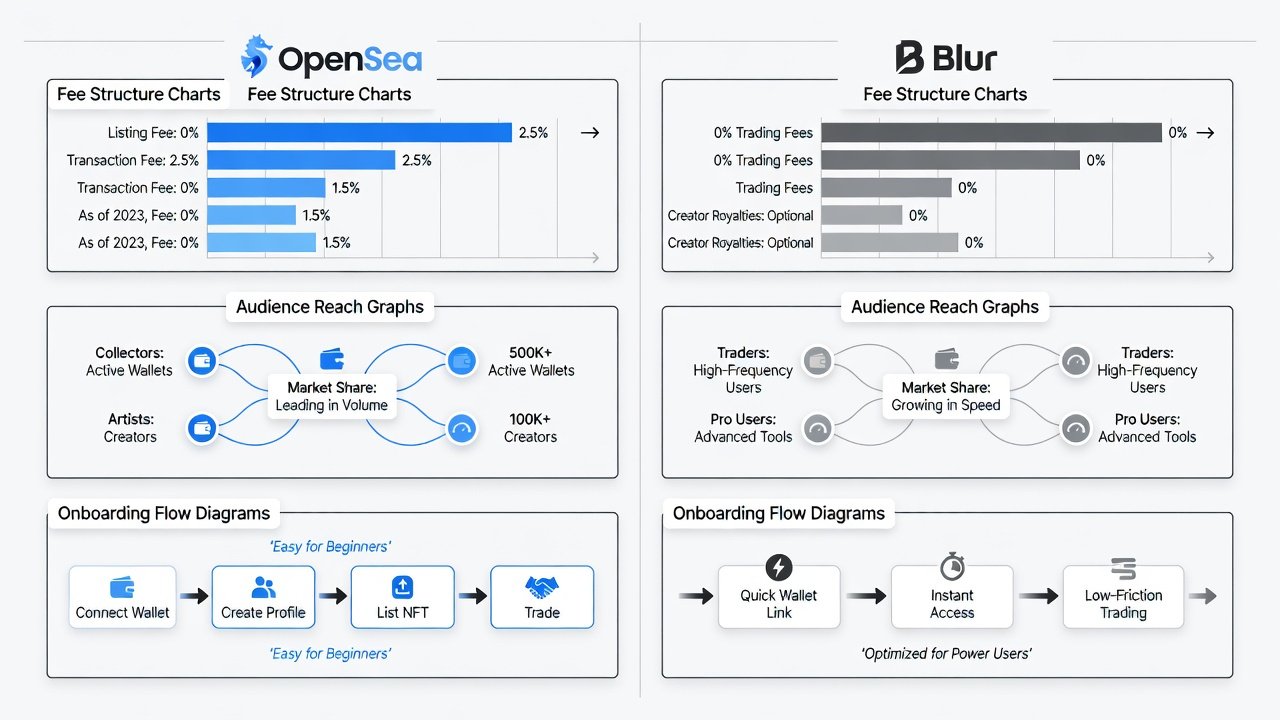
When evaluating platforms, factors like fee structures, audience size, and ease of onboarding are critical. OpenSea offers broad reach with extensive user bases and established tools for subscription setups. In contrast, Blur emphasizes lower trading costs and faster execution, appealing to high-volume creators focused on efficiency. Onboarding with OpenSea involves simple wallet connections and profile verification, while Blur prioritizes seamless integration for advanced traders. Both support royalty enhancements, though audience demographics differ slightly in focus. OpenSea tends to attract a wider mix of collectors including beginners, whereas Blur draws more experienced traders seeking optimized trading experiences. Creators should assess their target audience when choosing between the two, as platform choice directly impacts visibility and conversion rates for subscription offerings.
Real-World Case Studies of Successful Implementations
One prominent example involves a digital artist who launched tiered NFT subscriptions on a major marketplace, achieving consistent monthly inflows through exclusive artwork releases and community events. The creator started with basic access tiers providing monthly drops and scaled up to premium levels that included custom commissions and royalty sharing. Another case features a music creator using cross-platform perks to bundle subscriptions with DeFi yield opportunities, resulting in diversified earnings from both direct payments and staking rewards. A third example comes from an independent filmmaker who used subscriptions to fund ongoing projects, offering backers early access to behind-the-scenes content and voting rights on creative decisions. These implementations highlight the importance of community building, clear value propositions, and strategic pricing tiers that adapt to subscriber feedback over time.
Step-by-Step Setup Guides for Creators
Begin by selecting a compatible platform and connecting your wallet securely. Research each platform's specific subscription tools to ensure they align with your goals. Next, design subscription tiers with clear benefits such as exclusive drops, royalty boosts, and cross-platform perks. Define at least three tiers to appeal to different budget levels while maintaining exclusivity at the top. Configure smart contracts for automated payments and renewal reminders, testing them thoroughly in a sandbox environment before going live. Then promote via social channels, email lists, and Discord communities to build initial momentum. Test the onboarding flow with a small audience to identify friction points like wallet connection issues. Finally, monitor performance metrics such as renewal rates and engagement levels to refine offerings continuously. Additional steps include setting up analytics dashboards and preparing customer support resources for subscriber inquiries.
Risk Considerations for Long-Term Sustainability
Creators must account for market volatility, regulatory shifts around digital assets, and platform dependency. Diversifying across multiple marketplaces and incorporating compliance checks can mitigate these risks. Regular audits of smart contracts and tracking subscriber retention are essential for ongoing viability. Other considerations include potential smart contract bugs that could lock funds or expose user data, as well as changes in platform policies that might affect royalty distributions. Building a direct community channel outside any single platform helps reduce dependency risks. Long-term sustainability also requires adapting to evolving user preferences and technological advancements in the NFT ecosystem.
Tiered Pricing Strategies and DeFi Integrations
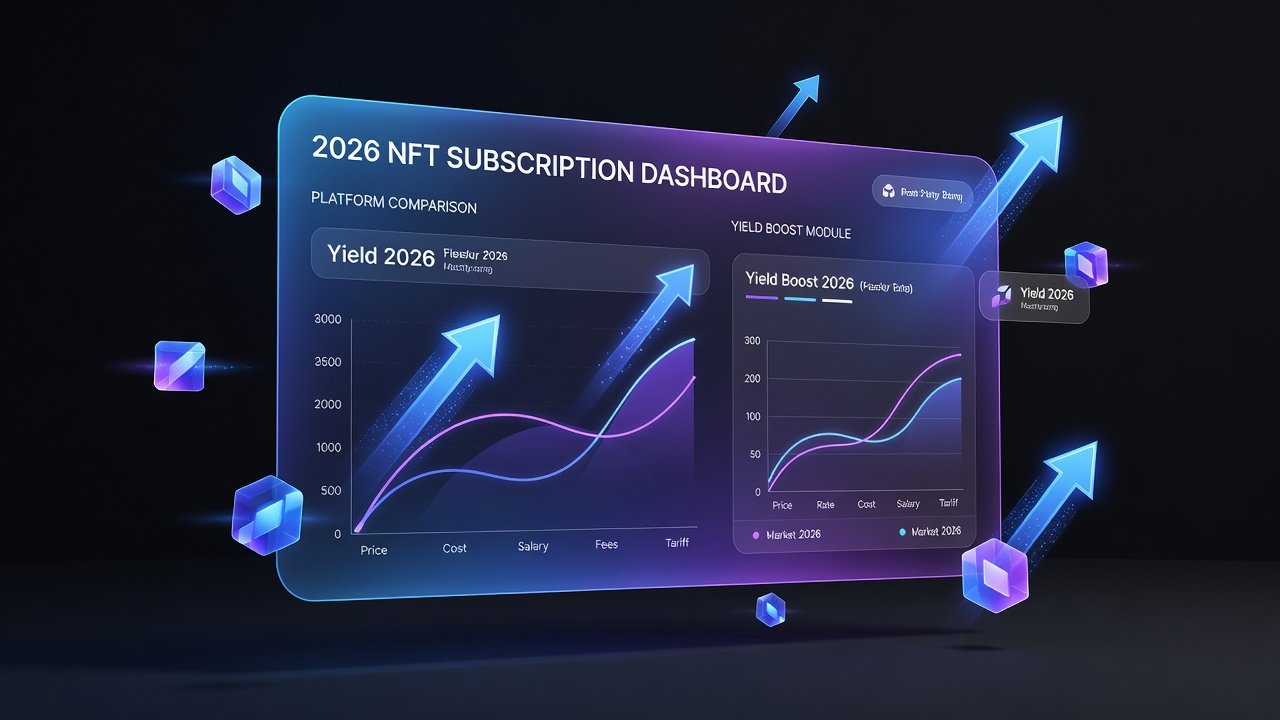
Effective tiered pricing balances accessibility with premium value, often starting with basic access and scaling to VIP perks like personalized content or governance rights. Creators should analyze subscriber behavior to adjust tiers dynamically. Integrating DeFi elements, such as staking rewards or yield farming tied to subscriptions, can amplify returns. For instance, linking NFTs to liquidity pools on established networks enhances yields. These integrations require careful setup to ensure compatibility with subscription smart contracts and transparent communication with users about potential risks. Successful examples show creators combining subscription revenue with DeFi yields to create hybrid income models that perform well across market cycles.
Common Mistakes to Avoid
Many creators overlook thorough testing of smart contracts, leading to failed renewals or lost revenue. Another frequent error is underpricing tiers without considering long-term value delivery. Failing to provide consistent exclusive content can cause subscriber churn. Additionally, ignoring compliance requirements in different jurisdictions may result in legal complications. Always prioritize transparency in marketing materials and maintain detailed records of all transactions and communications.
FAQ: Common Creator Questions on Compliance and Tracking
- How do I ensure regulatory compliance? Consult local guidelines on digital assets and use platforms with built-in reporting tools. Staying updated on evolving regulations through official channels is recommended.
- What metrics should I track for performance? Focus on renewal rates, engagement levels, and revenue consistency through platform analytics dashboards.
- Are there risks with DeFi integrations? Yes, smart contract vulnerabilities require thorough testing and third-party reviews before implementation.
- How can I handle subscriber disputes effectively? Establish clear terms of service and maintain responsive support channels to resolve issues promptly.
Conclusion
NFT subscriptions represent a forward-thinking evolution for creator economies in 2026, blending recurring revenue with innovative platform features. By carefully comparing options like OpenSea and Blur, implementing proven strategies, and addressing risks proactively, creators can position themselves for sustained success in the Web3 space. The combination of thoughtful tier design, DeFi enhancements, and robust community management offers a pathway to more resilient creative careers.
No comments yet. Be the first!