 CryptoChain Blog
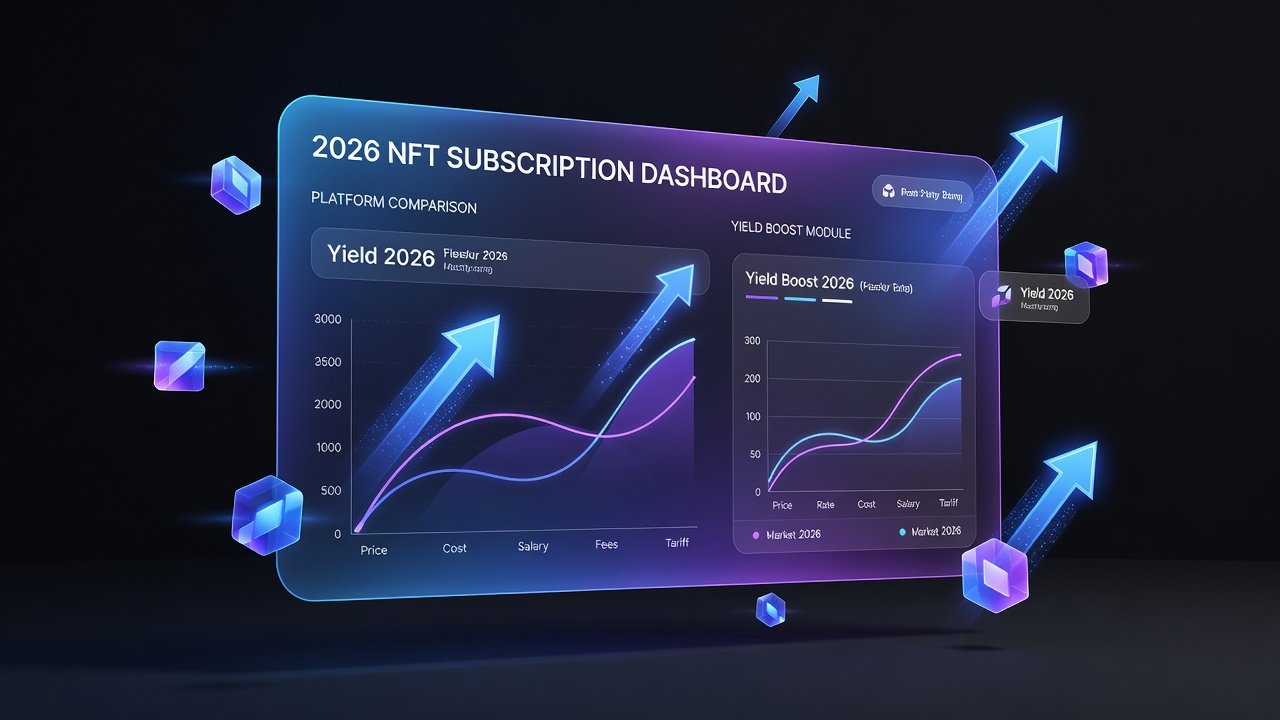
Introduction to NFT Subscriptions in 2026
NFT marketplace subscriptions have evolved into powerful tools for collectors and creators seeking consistent value in the digital asset space. By 2026 these models deliver recurring rewards such as exclusive drops, reduced trading fees, and seamless cross-chain access. Users who activate subscriptions often experience enhanced yields through staking incentives and loyalty programs that reward long-term engagement. This approach transforms one-time purchases into ongoing relationships, allowing participants to build portfolios with predictable advantages rather than relying solely on sporadic market opportunities. Platforms now emphasize retention tactics that help collectors maximize returns while navigating volatile markets, creating ecosystems where active subscribers gain compounding benefits over time.
The shift toward subscription-based models reflects broader trends in Web3 where recurring revenue streams support platform sustainability and user loyalty. Collectors benefit from structured access to premium features that were previously limited or pay-per-use. As the NFT landscape matures, understanding these mechanisms becomes essential for anyone looking to optimize their participation beyond simple buying and selling.
How Subscription Models Deliver Recurring Rewards
Modern NFT subscriptions function like membership programs with multiple layers of value. Participants pay periodic fees in exchange for layered benefits that accumulate throughout the subscription period. Exclusive drops grant early access to limited-edition collections, often before public release, providing opportunities for acquisition at favorable entry points. Fee discounts lower transaction costs on high-volume trading, which proves especially valuable for active traders executing numerous transactions monthly. Cross-chain perks enable frictionless movement of assets across blockchains without repeated bridging expenses, saving both time and potential network fees.
Staking incentives further amplify yields by allowing subscribers to lock tokens for additional rewards distributed at regular intervals. Retention tactics include tiered loyalty points that unlock premium features over time, encouraging consistent platform activity. These elements create compounding value that appeals to both casual collectors and serious investors who view subscriptions as strategic investments in their overall NFT strategy. Real-world examples show users combining multiple benefits, such as using discounted trades to acquire assets that then qualify for staking bonuses, resulting in diversified income streams within their portfolios.
Platform Comparison: OpenSea vs Blur
Two leading platforms stand out for their subscription offerings in the current market. OpenSea provides a broad ecosystem with strong community features and extensive collection variety while Blur focuses on high-speed trading and professional-grade tools designed for experienced users. Pricing tiers differ in structure, with OpenSea emphasizing accessibility across different user levels and Blur targeting power users through performance-based rewards that scale with activity. Onboarding steps on OpenSea begin with wallet connection followed by subscription selection, payment confirmation, and optional verification for enhanced features. Blur follows a similar flow but adds advanced analytics during setup to help users immediately evaluate potential yields.
Real user yields vary based on trading volume and engagement level, with subscribers on both platforms reporting improved returns from discounted fees and priority access to new drops. OpenSea excels in discovery tools that help subscribers find emerging collections, whereas Blur offers superior execution speed for time-sensitive opportunities. Both platforms integrate with major wallets, making entry straightforward, though Blur may require additional configuration for advanced cross-chain features. Users often test both through trial periods to determine which aligns better with their specific trading patterns and yield objectives.
Case Studies of Collectors Maximizing Returns
Consider a collector who subscribed to a premium tier on a major platform and strategically staked rewards tokens in integrated pools. Through consistent participation in exclusive drops and leveraging fee savings on secondary market trades, the user achieved notable yield improvements over six months by reinvesting savings into higher-value assets. Another example involves a trader utilizing cross-chain perks to arbitrage opportunities across networks, boosting overall portfolio performance while using retention bonuses to access additional staking options unavailable to non-subscribers.
Retention tactics played a key role in both cases, as platforms rewarded ongoing activity with bonus allocations and early notifications for high-demand releases. These case studies illustrate how combining subscription benefits with disciplined asset management leads to sustainable growth rather than short-term gains. Collectors who document their activities and adjust strategies based on performance data tend to see the strongest results across different market conditions.
Practical Checklist for Selecting and Activating Subscriptions
- Evaluate your trading frequency and typical transaction sizes to match the right pricing tier that maximizes net savings.
- Review available rewards such as exclusive drops, staking multipliers, and loyalty point systems to ensure alignment with your collection goals.
- Confirm wallet compatibility and complete identity verification processes if required for full feature access.
- Compare onboarding steps across platforms, including time required for approval and any tutorial resources provided.
- Assess cross-chain support based on your existing asset holdings and preferred blockchains for future acquisitions.
- Activate the subscription through the platform dashboard and monitor initial rewards accrual within the first week to verify setup.
- Set calendar reminders to track performance metrics like net yield after all fees and the frequency of claimed benefits.
- Document any custom strategies used, such as pairing drops with staking, for future optimization and reference.
Advanced Strategies for Yield Optimization
Beyond basic activation, advanced users combine subscriptions with external tools like portfolio trackers and on-chain analytics to fine-tune their approaches. For instance, timing exclusive drops with market upswings can amplify returns, while rotating staked assets between platforms maximizes incentive capture. Some collectors form small communities to share insights on retention tactics, creating collaborative advantages that individual subscribers might miss. These strategies require ongoing attention but deliver higher compounded yields when executed consistently.
Risk Considerations for NFT Subscribers
While subscriptions offer attractive benefits, users must account for market volatility that can diminish yields if asset values decline sharply. Subscription fees represent sunk costs if trading activity decreases unexpectedly or if market conditions reduce the value of exclusive drops. Smart contract risks and platform-specific vulnerabilities require careful research before committing funds, as exploits could affect staked rewards. Diversification remains essential to avoid over-reliance on any single marketplace or subscription tier. Always review terms regarding cancellation policies and reward vesting schedules to prevent surprises. Staying informed about regulatory developments helps mitigate unexpected changes in platform operations or tax implications associated with recurring rewards.

FAQ: Common Setup Questions and Performance Tracking
How do I choose between OpenSea and Blur subscriptions?
Assess your primary goals and activity level. OpenSea suits collectors focused on discovery and broad community engagement while Blur appeals to those prioritizing speed, analytics, and professional trading features.
What metrics should I track for yields?
Monitor net returns after fees, frequency of exclusive drops claimed, staking reward accumulation rates, and overall portfolio growth. Use built-in platform dashboards supplemented by external analytics tools for accurate and comprehensive reporting.
Are there minimum holding periods for rewards?
Many programs require a short vesting period before rewards become fully accessible. Check individual tier details during onboarding to understand exact timelines and any early withdrawal penalties.
Can subscriptions be paused temporarily?
Some platforms allow pausing while preserving progress toward loyalty tiers, while others require full cancellation and reactivation. Review policy pages thoroughly before subscribing to understand flexibility options.
How often should performance be reviewed?
Conduct monthly reviews to adjust strategies based on changing market conditions and new platform features. Quarterly deep dives help identify long-term trends in yield generation and subscription value.
Conclusion
NFT subscriptions in 2026 represent a strategic evolution in marketplace participation. By comparing platforms like OpenSea and Blur, following structured checklists, exploring advanced strategies, and understanding risks, collectors can unlock meaningful yield boosts. Thoughtful activation and ongoing performance tracking ensure these tools deliver sustained value in the dynamic Web3 landscape, empowering users to build more resilient and rewarding NFT portfolios over time.

No comments yet. Be the first!