 CryptoChain Blog
Introduction to NFT Subscriptions in 2026
The NFT landscape has evolved significantly by 2026, with subscription-based models emerging as a powerful way for creators and platforms to generate predictable recurring revenue. Unlike traditional one-time sales that deliver a single transaction, these models foster ongoing engagement by offering members continuous access to exclusive content, drops, and benefits. This approach not only stabilizes income streams but also enhances user retention in a competitive market where attention spans are short and competition is fierce. Creators are increasingly turning to subscriptions to build loyal communities while platforms optimize for long-term value through automated systems that reward consistent participation.
Key drivers include exclusive drops that reward ongoing subscribers with early access to limited editions, cross-chain perks that expand utility across multiple blockchains for greater flexibility, and tiered pricing that caters to different user segments ranging from casual enthusiasts to dedicated collectors. By shifting focus from one-off purchases to sustained relationships, NFT subscriptions address common pain points like market volatility and declining interest after initial hype. This comprehensive guide explores revenue tactics, real-world applications, implementation steps, and risk management to help advanced users maximize opportunities in NFT marketplaces.
Core Elements of Recurring Access Models
Recurring access models in NFTs rely heavily on smart contracts to automate renewals and deliver benefits seamlessly without manual intervention. These contracts define rules for access periods, payment triggers, and benefit distribution, ensuring transparency and reducing administrative overhead. Exclusive drops serve as a cornerstone, providing subscribers with early or unique access to new collections that non-subscribers cannot obtain, thereby creating perceived scarcity and excitement that encourages renewals.
Cross-Chain Perks and Their Growing Importance
Cross-chain perks allow users to enjoy benefits on multiple networks, such as reduced transaction fees or shared utilities between ecosystems like Ethereum and its layer-two solutions. This interoperability broadens appeal by letting collectors leverage assets across platforms without friction. For example, a subscriber might unlock governance rights or bonus content that functions on both Ethereum and compatible sidechains, enhancing overall utility and retention.
Tiered Pricing Structures Explained
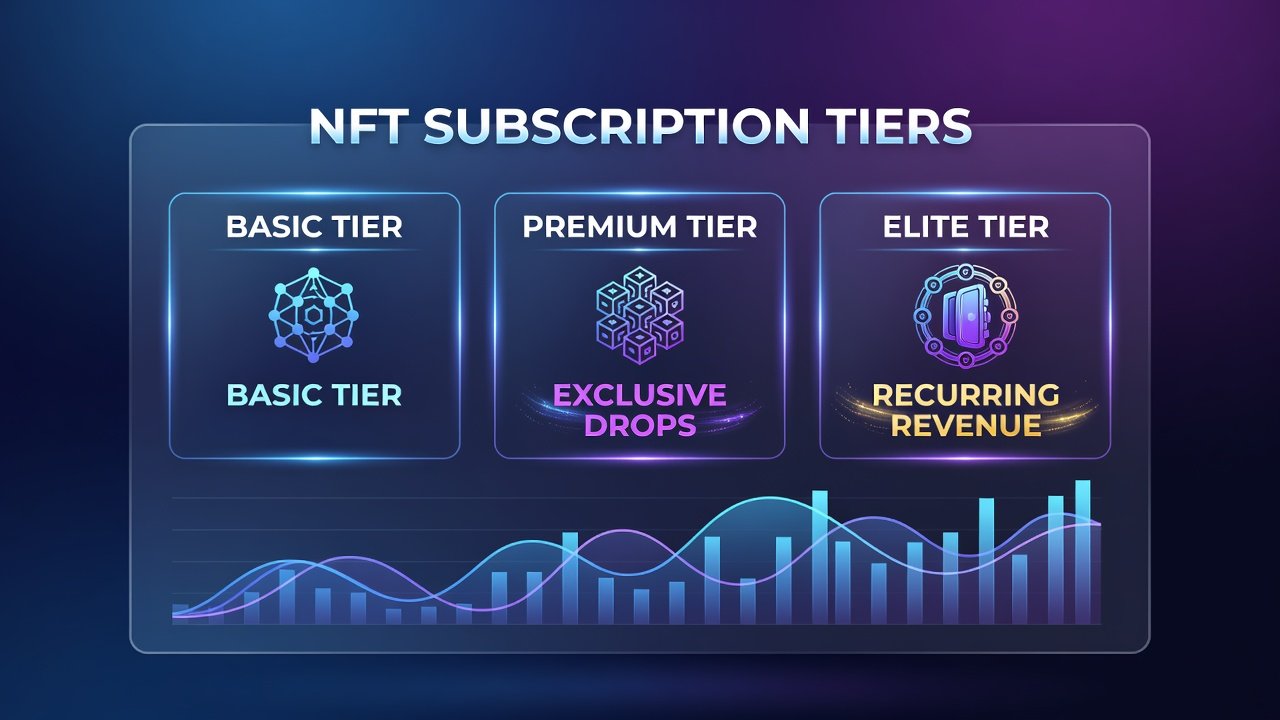
Tiered pricing structures typically include basic, premium, and elite levels, each unlocking progressively more valuable features such as priority support, larger drop allocations, or custom NFT minting rights. This flexibility helps attract a wider audience while maximizing revenue from high-value users who opt for top tiers. Platforms must balance pricing to avoid alienating entry-level users while still offering compelling upgrades that justify the recurring commitment.
2026 Case Studies from Leading Marketplaces
Leading platforms have successfully implemented these strategies with measurable success. For instance, marketplaces integrating with Ethereum have reported stronger retention through subscription tiers that include cross-chain access to networks like Polygon and Solana. These integrations allow seamless transfers of subscription benefits, resulting in users staying active longer as they explore expanded ecosystems.
Another prominent example involves platforms offering automated exclusive drops tied to subscription status, leading to higher lifetime value compared to traditional one-off purchases. In one documented case, a major NFT marketplace saw subscription adopters generate twice the engagement of standard buyers by participating in monthly curated releases. These case studies highlight how subscriptions outperform traditional sales by fostering repeat interactions and reducing reliance on unpredictable hype cycles that characterize the broader crypto space.
Additional insights from 2026 show that platforms combining tiered access with community governance features have built more resilient user bases, as subscribers feel invested in the platform's direction and future drops.

Step-by-Step Guide to Implementing NFT Subscriptions
Setting up an NFT subscription requires careful planning to ensure technical reliability and user satisfaction. Follow these detailed steps for a successful launch:
- Define your benefits structure clearly, including the frequency and type of exclusive drops as well as specific cross-chain perks that differentiate your offering from competitors.
- Choose a blockchain platform that supports robust smart contract functionality and integrate tools for automated billing cycles that align with user preferences for monthly or quarterly renewals.
- Design tiered pricing options that balance accessibility for newcomers with premium value for power users, testing different configurations through focus groups before full rollout.
- Develop or audit smart contracts to handle renewals, access grants, and revocations automatically while incorporating fallback mechanisms for payment failures.
- Integrate with popular NFT marketplaces and wallets to provide a frictionless onboarding experience that minimizes drop-off during the subscription signup process.
- Test the entire system with a small user group to identify bugs, refine churn mitigation tactics, and gather feedback on benefit relevance.
- Launch with transparent communication about renewal processes, benefit schedules, and cancellation policies to build trust from day one.
- Monitor performance metrics post-launch and iterate on perks based on usage data to keep the model dynamic and appealing over time.
This methodical approach ensures smooth integration and maximizes adoption rates among target audiences seeking advanced NFT experiences.
Revenue Outcomes: Subscriptions vs One-Time Sales
Comparisons consistently show that subscription models often yield more stable revenue over extended periods. One-time sales can generate quick spikes during market surges but lack predictability, making financial planning difficult for creators and platforms alike. In contrast, recurring access builds compounding returns through automatic renewals, upsells to higher tiers, and reduced customer acquisition costs since existing subscribers are already engaged.
Practical examples from 2026 indicate that platforms adopting subscriptions have noted improved cash flow predictability and stronger community bonds, as users develop habits around regular interactions rather than sporadic purchases. When evaluating outcomes, consider factors like average subscription length, upgrade rates, and ancillary revenue from premium add-ons to gain a full picture of performance advantages.
Mitigating Risks Like Churn
Churn remains a primary challenge in subscription models, but targeted strategies can significantly reduce it. Personalized perks based on user behavior, such as tailored drop notifications or bonus cross-chain utilities, help maintain interest. Flexible cancellation options combined with win-back incentives like temporary discounts on renewals also prove effective.
Regular value additions, including surprise exclusive content or community events, keep subscribers engaged. Monitoring key engagement metrics such as login frequency and benefit redemption rates allows proactive interventions before users decide to leave. Loyalty reward programs that accumulate points toward future tiers further encourage long-term commitment and lower overall churn rates.
FAQs on Smart Contract Integration
- How do smart contracts handle renewals? They automate payments through predefined triggers and grant or revoke access based on subscription status without requiring manual oversight.
- What blockchains support this best? Ethereum remains a leader, with strong tooling also available on networks referenced through platforms like OpenSea for seamless marketplace integration.
- Are there security considerations? Always conduct thorough audits using established frameworks and consider multi-signature requirements for contract upgrades to protect user funds and access rights.
- Can subscriptions span multiple chains? Yes, through bridge protocols that synchronize status across networks while maintaining security and consistency.
- What happens if a payment fails? Grace periods and automated reminders are typically built in to allow users time to update details before access is paused.
Best Practices and Emerging Tools
Successful implementations emphasize user education through clear onboarding materials and responsive support channels. Emerging tools include no-code platforms for contract deployment and analytics dashboards that track subscription health in real time. Staying informed about protocol upgrades on major chains helps maintain compatibility and competitive edge.
Conclusion
NFT subscriptions represent a mature evolution in the space, offering creators and platforms reliable revenue while delivering ongoing value to users. By focusing on exclusive elements, cross-chain features, and careful implementation with robust risk mitigation, stakeholders can position themselves for sustained success in 2026 and beyond. Explore these tactics to transform your NFT strategy today and build communities that thrive on recurring engagement.

No comments yet. Be the first!