 CryptoChain Blog

Introduction to 2026 NFT Enterprise Trends
Enterprise adoption of NFT marketplaces has accelerated significantly in 2026, driven by maturing blockchain infrastructure and regulatory clarity. Businesses across sectors are leveraging NFTs for digital ownership verification, loyalty programs, and supply chain transparency. This comprehensive guide delivers actionable NFT updates tailored for business decision-makers searching for marketplace insights, implementation strategies, and measurable outcomes. Organizations that integrate these technologies effectively can unlock new revenue models while strengthening customer relationships through verifiable digital assets. The evolution reflects a shift from experimental pilots to production-grade systems that align with corporate governance standards and deliver tangible business value.
Key 2026 Developments Driving Adoption
Recent advancements include enhanced compliance frameworks that integrate seamlessly with existing KYC and AML systems, allowing enterprises to meet global regulatory standards without disrupting operations. Scalable layer-2 solutions now support high-volume transactions while maintaining robust security protocols. Partnership models with established platforms have lowered entry barriers, enabling faster deployment for large organizations. These updates reflect broader industry maturation, where infrastructure reliability and legal safeguards take precedence over experimental features. Additional progress in 2026 encompasses improved interoperability standards that facilitate cross-chain asset transfers and the integration of AI-driven analytics for better asset valuation and fraud detection within NFT ecosystems.
Business Use Cases for NFT Marketplaces
Brands are deploying NFTs for tokenized assets in real estate transactions and luxury goods authentication, creating immutable records that reduce counterfeiting. In the entertainment sector, exclusive digital collectibles foster deeper fan engagement and recurring revenue through limited-edition releases. Supply chain applications benefit from immutable provenance tracking, which minimizes fraud and improves audit trails across international borders. Additional examples include corporate loyalty programs where NFT-based rewards increase retention rates and employee incentive schemes that tokenize achievement milestones for transparent distribution. Healthcare providers are exploring NFTs for secure patient record verification, while educational institutions issue verifiable credential NFTs to streamline certification processes and reduce diploma fraud.
Integration Challenges and Solutions
Common hurdles involve legacy system compatibility, where older enterprise resource planning tools require custom middleware for blockchain connectivity. Staff training remains essential to bridge knowledge gaps around wallet management and smart contract interactions. Data privacy concerns are mitigated through zero-knowledge proofs and permissioned blockchain networks that restrict access to authorized participants. Security audits conducted by third-party firms help identify vulnerabilities early, while API-first marketplace designs simplify technical integration without extensive in-house development resources. Environmental considerations around energy consumption have also prompted many enterprises to prioritize proof-of-stake networks and carbon-neutral platforms as part of their sustainability commitments.
Step-by-Step Enterprise Adoption Roadmap
- Conduct a thorough internal assessment to evaluate technological readiness, define clear NFT objectives aligned with business goals, and identify key stakeholders across legal, IT, and marketing teams.
- Research and select marketplace partners that offer enterprise-grade compliance certifications, multi-chain support, and dedicated onboarding assistance to ensure smooth technical migration.
- Launch pilot programs on a limited scale, focusing on one use case such as loyalty tokens, while establishing measurable KPIs including engagement metrics and transaction volumes.
- Scale infrastructure gradually by expanding to full production environments, continuously monitoring regulatory changes, and incorporating feedback loops from initial deployments.
- Integrate advanced analytics dashboards to track performance, optimize asset distribution, and refine strategies based on real-time data insights from user interactions.
Comparing Enterprise-Focused NFT Marketplaces
Leading platforms vary in their emphasis on scalability, security certifications, customization options, and multi-chain interoperability. Enterprise-grade solutions prioritize features like role-based access controls and audit logging over consumer-facing elements such as social sharing tools. Decision-makers should evaluate factors including transaction throughput, integration ease with existing CRM systems, and long-term vendor stability when making comparisons. Some platforms excel in customization for branded storefronts, while others emphasize compliance certifications suitable for highly regulated industries like finance and pharmaceuticals.

ROI Examples from Real Brand Deployments
Forward-thinking companies have reported stronger customer retention through tiered NFT loyalty programs that reward repeat purchases with exclusive digital perks. Retailers implementing supply chain NFTs have observed reduced instances of product fraud and improved partner trust through transparent tracking. Entertainment firms leveraging fan collectibles have seen elevated engagement levels, translating into sustained brand loyalty and ancillary revenue opportunities without relying on traditional advertising spend. Automotive manufacturers have used NFT warranties to enhance after-sales service tracking, resulting in higher customer satisfaction scores and streamlined recall processes.
Technology Stack Recommendations for 2026
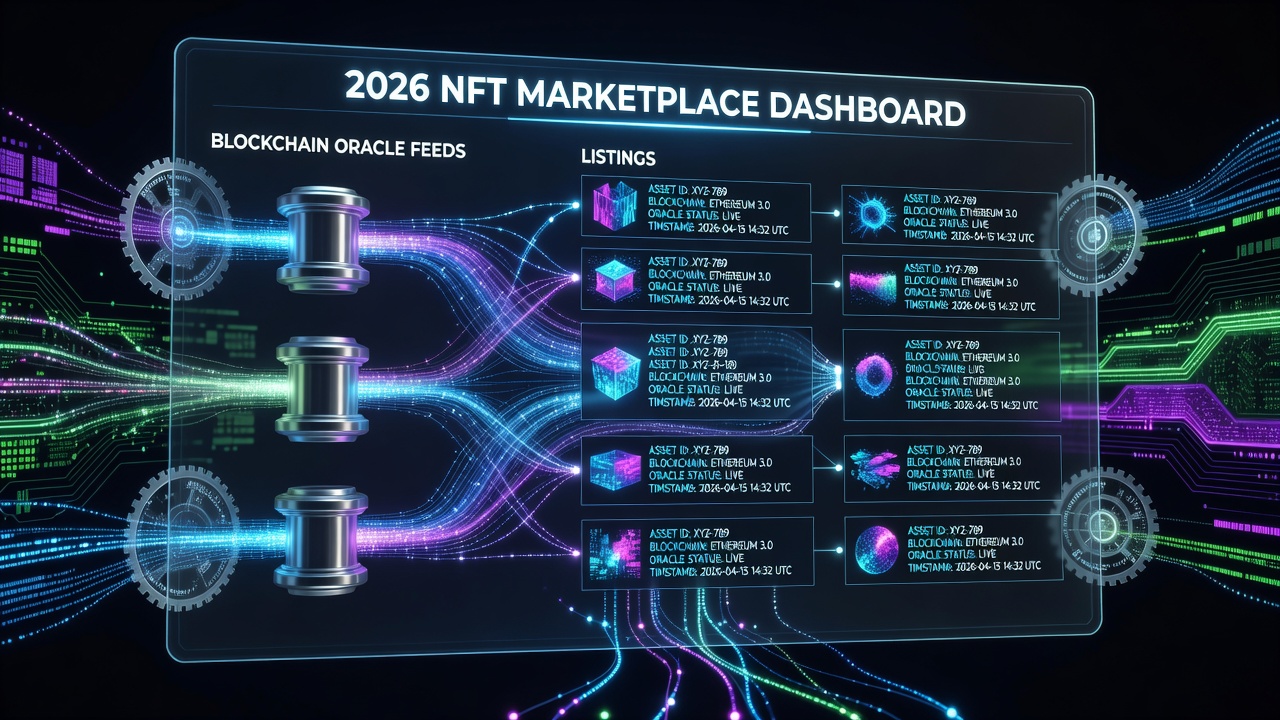
Enterprises should consider hybrid architectures combining public and private blockchains to balance transparency with data control. Recommended components include robust wallet SDKs for seamless user onboarding, oracle services for real-world data integration, and monitoring tools that provide alerts on smart contract performance. Selecting stacks with strong developer communities ensures long-term support and easier access to talent pools familiar with the latest standards and security practices.
Practical Checklists for Implementation
- Verify full legal compliance across all target jurisdictions by consulting specialized counsel familiar with digital asset regulations.
- Perform comprehensive security audits on all smart contracts prior to deployment, engaging independent experts to review code for potential exploits.
- Establish robust governance frameworks that define roles for asset creation, transfer approvals, and dispute resolution mechanisms.
- Train cross-functional teams on secure wallet practices, phishing prevention, and responsible management of private keys.
- Develop contingency plans for network congestion or marketplace downtime to maintain business continuity.
Potential Pitfalls to Avoid
Overlooking scalability requirements during pilot phases often leads to performance bottlenecks when transaction volumes increase unexpectedly. Ignoring community governance structures can cause misalignment between brand messaging and user expectations. Failing to anticipate secondary market dynamics may diminish perceived asset value over time, while inadequate attention to tax implications can create unforeseen compliance burdens for multinational operations. Another frequent mistake involves underestimating the importance of user experience design, which can result in low adoption rates if wallet interfaces prove too complex for non-technical stakeholders.
Short FAQ on Implementation Timelines
How long does initial setup typically take? Most enterprises complete a structured proof-of-concept phase within four to eight weeks when following a phased approach with clear milestones.
What primary factors influence the speed of full rollout? Regulatory approval processes, depth of internal IT integration requirements, and availability of specialized blockchain talent represent the main variables affecting timelines.
Can existing teams handle ongoing management without external support? Initial reliance on vendor training and documentation is common, though many organizations transition to in-house oversight after six months of operational experience.
How frequently should enterprises review their NFT strategy? Quarterly assessments are recommended to adapt to evolving regulations, marketplace features, and internal business priorities.
Conclusion
2026 offers substantial opportunities for enterprises ready to adopt NFT marketplaces with strategic precision. Structured roadmaps combined with proactive attention to compliance, infrastructure, and governance enable organizations to capture new efficiencies and customer value. Continued learning through authoritative resources remains vital for sustained success. Explore further guidance from the Ethereum Foundation and IBM Blockchain for deeper technical perspectives on enterprise blockchain applications.

No comments yet. Be the first!