 CryptoChain Blog
Introduction to NFT-Driven Supply Chain Tracking in 2026
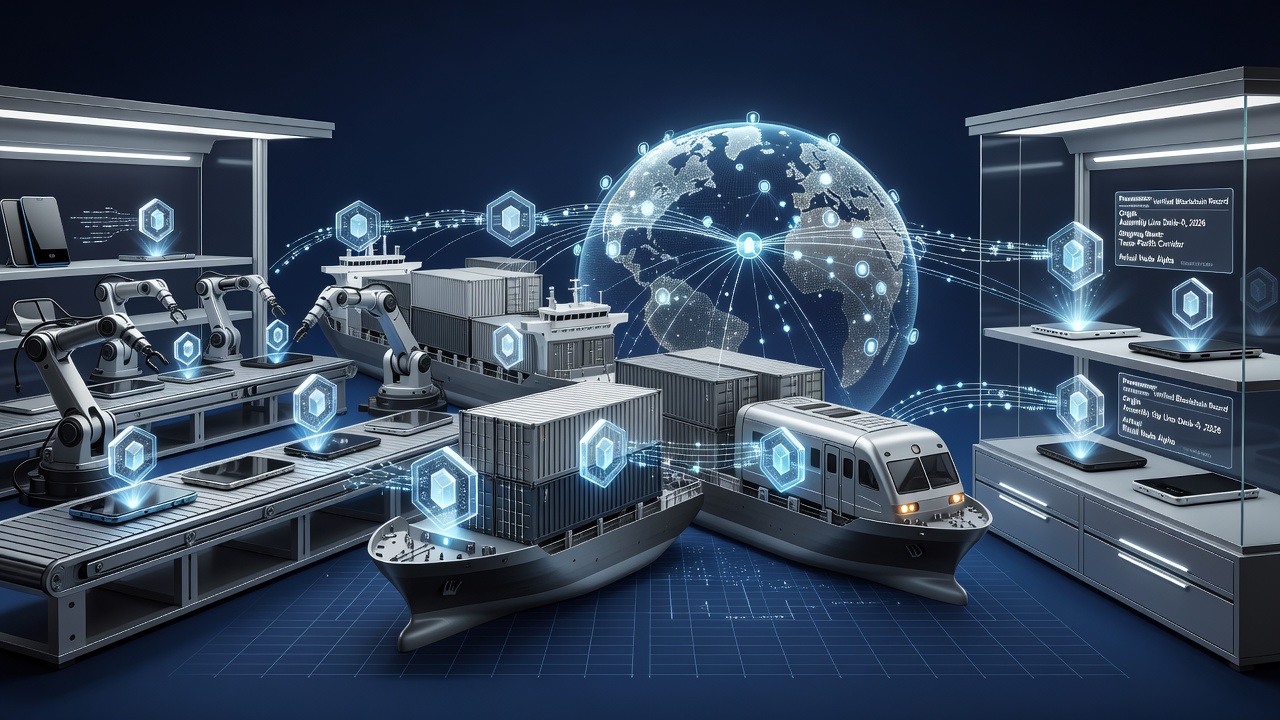
In 2026, NFT marketplaces are transforming supply chain management by providing immutable records of provenance and real-time tracking for physical goods. Businesses in manufacturing and retail are adopting these technologies to enhance transparency, reduce counterfeiting, and meet regulatory demands. This forward-looking approach leverages blockchain to tokenize assets, creating verifiable digital twins that follow products from production to delivery. Logistics operators benefit from streamlined audits and consumer trust, as each NFT holds metadata detailing origin, handling, and certifications. Early adopters report improved efficiency through automated verification processes that minimize human error and accelerate dispute resolution across international borders.
The integration of NFTs into supply chains addresses long-standing challenges such as fragmented data silos and lack of trust between parties. By embedding unique digital identifiers on blockchain, companies achieve a single source of truth that updates dynamically as goods move through the network. This evolution builds on prior blockchain experiments but introduces more sophisticated marketplace tools tailored specifically for enterprise logistics in 2026.
Real-World Case Studies from Manufacturing and Retail
Manufacturing leaders have integrated NFTs to track components across global networks. For instance, automotive firms use tokenization to monitor parts from suppliers, ensuring compliance with safety standards. In one detailed example, a major European car manufacturer tokenized engine components, allowing real-time updates on material sourcing and quality tests that prevented costly recalls. In retail, luxury brands tokenize items like apparel to authenticate ownership and combat fakes, with NFTs updating as products move through distribution centers. Fashion houses in Asia have reported successful pilots where consumers scan NFTs to verify ethical labor practices and material origins.
These examples highlight how NFTs enable end-to-end visibility, allowing quick recalls or ethical sourcing verification without manual paperwork. Additional retail cases include electronics distributors using NFTs to manage warranty claims and prevent gray-market sales by linking each device to its unique token history. The results demonstrate measurable reductions in fraud and enhanced brand reputation among conscious consumers.
Technical Requirements for Tokenizing Physical Assets
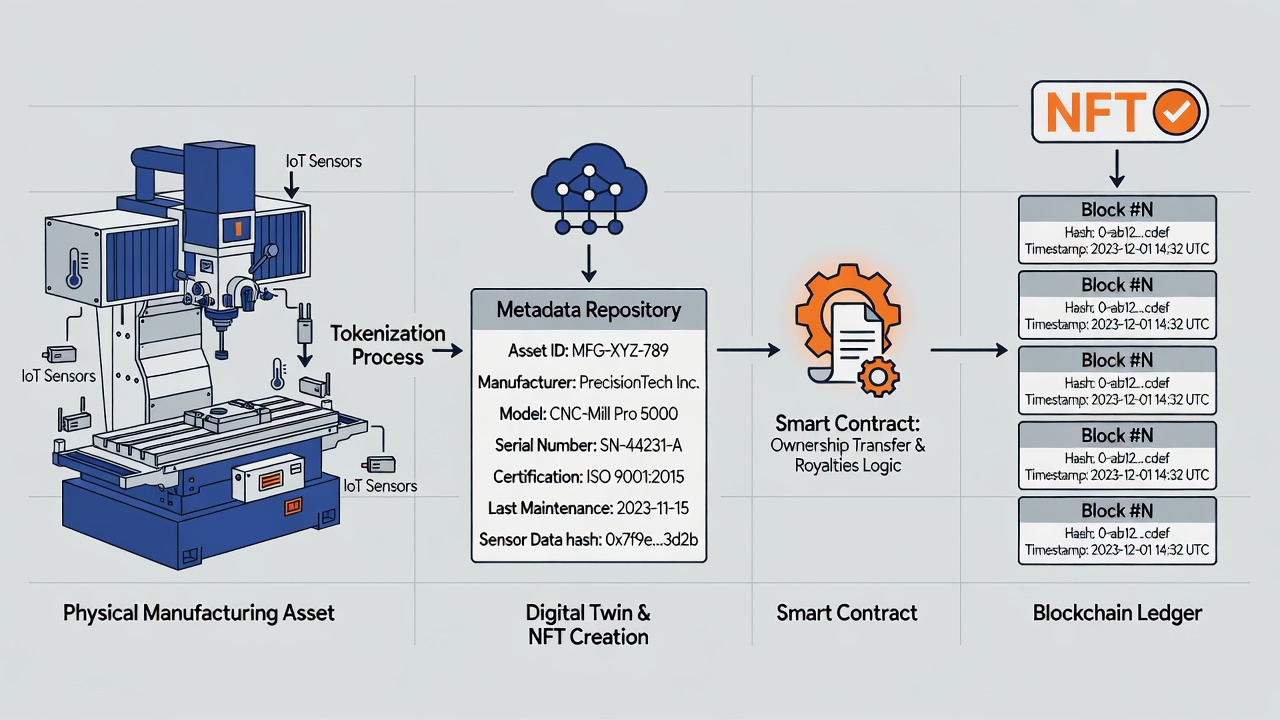
Tokenizing physical assets requires integrating IoT sensors with blockchain protocols. Key elements include unique identifiers embedded in products, smart contracts for ownership transfer, and oracles to feed real-world data into NFTs. Platforms must support standards like ERC-721 for uniqueness and interoperability with existing ERP systems. Additional requirements involve secure key management systems and API gateways that connect legacy databases to decentralized ledgers without exposing proprietary information.
Security features such as multi-signature wallets and encrypted metadata protect sensitive supply chain information. Scalability is addressed through layer-2 solutions to handle high transaction volumes during peak logistics periods. Data integrity is maintained via cryptographic hashing that timestamps every event, from factory floor scans to customs clearances. Organizations must also consider energy-efficient consensus mechanisms to align with sustainability goals prevalent in 2026 supply chain strategies.
Comparisons of Leading Marketplaces Supporting Supply-Chain NFTs
Several marketplaces stand out for supply chain applications. OpenSea offers broad accessibility but may require custom integrations for enterprise needs. Specialized platforms like those built on Hyperledger provide enhanced privacy controls suited for B2B logistics. Comparisons reveal differences in gas fees, API robustness, and support for hybrid public-private chains. Another contender, Polygon-based marketplaces, excel in low-cost transactions ideal for high-frequency updates on perishable goods tracking.
Businesses should evaluate based on volume handling and compliance features when selecting a platform. Enterprise-focused options often include built-in analytics dashboards and regulatory reporting tools that simplify audits. Decision-makers are advised to test interoperability with their current TMS and WMS software before committing to a long-term marketplace provider.
Step-by-Step Implementation Guidance
- Assess current supply chain data flows and identify assets suitable for tokenization by mapping every touchpoint from supplier to end customer.
- Select a compatible blockchain and marketplace with supply chain tools, prioritizing those with proven enterprise case studies and strong developer support.
- Deploy IoT devices to capture real-time data and link it to NFT metadata, ensuring sensors are tamper-proof and calibrated for accuracy across varying environmental conditions.
- Develop smart contracts defining transfer rules and provenance tracking, incorporating conditional logic for events like temperature breaches or ownership changes.
- Integrate with existing logistics software for seamless updates, using middleware layers to translate between on-chain and off-chain records.
- Test with pilot shipments before full rollout, monitoring for latency issues and refining metadata schemas based on feedback from logistics teams.
- Train teams on NFT wallet management and data interpretation through structured workshops that cover both technical and operational aspects.
ROI Metrics from Early Adopters
Organizations implementing supply chain NFTs in 2026 have observed qualitative gains in operational efficiency and reduced losses from discrepancies. Metrics often include faster dispute resolution and higher customer retention due to verified authenticity. These outcomes stem from decreased administrative overhead and enhanced partner collaboration across multi-tier supplier networks.
Challenges, Solutions, and 2026 Innovations
Common challenges include data privacy concerns and scalability during global disruptions. Solutions involve permissioned blockchains and zero-knowledge proofs that allow verification without revealing underlying details. Forward-looking 2026 innovations feature AI-enhanced NFT analytics that predict supply bottlenecks and automated compliance checks integrated directly into marketplace interfaces. Emerging standards from organizations like GS1 are being adopted to ensure consistent metadata formats across industries.
FAQ: Addressing Scalability and Data Privacy Concerns
How do NFTs scale for large supply chains?
Layer-2 networks and sharding techniques allow handling thousands of transactions daily, maintaining performance even in complex global operations.
What measures protect data privacy?
Zero-knowledge proofs and permissioned blockchains ensure sensitive details remain confidential while still providing verifiable proofs of origin and handling.
Are there interoperability challenges?
Standards like those from the IBM Blockchain ecosystem promote cross-platform compatibility, reducing integration friction.
What training is needed for teams?
Focus on blockchain basics and NFT management tools to ensure smooth adoption across logistics and compliance roles.
How do NFTs handle regulatory compliance?
Many platforms now embed automated reporting features that align with international trade regulations, generating audit-ready logs on demand.
Conclusion
By 2026, NFT integration offers logistics operators practical tools for verifiable tracking. Following structured implementation and evaluating marketplaces carefully positions businesses to capitalize on these innovations for lasting competitive advantage. Explore resources from the Ethereum Foundation and Hyperledger for deeper technical guidance.

No comments yet. Be the first!