 CryptoChain Blog
Introduction to Oracle-Powered NFT Valuations in 2026
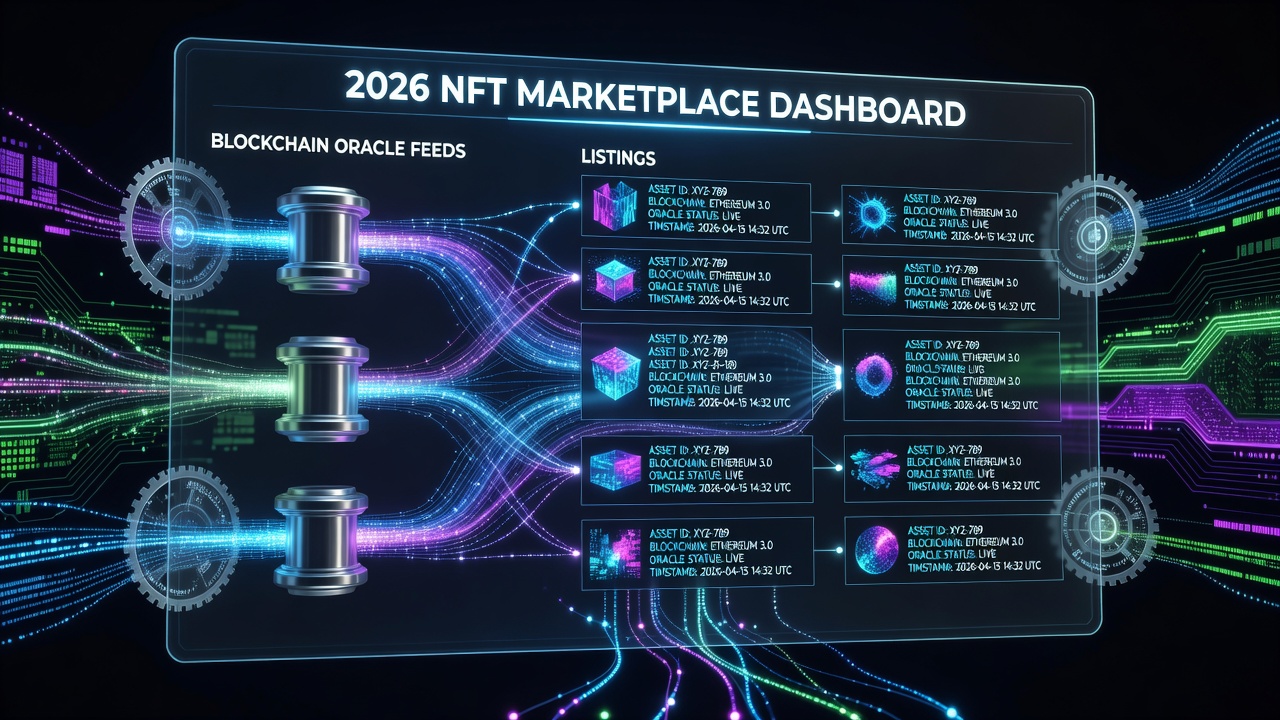
The NFT ecosystem in 2026 continues to evolve rapidly, driven by the need for precise, real-time pricing data. Blockchain oracles now play a pivotal role in delivering accurate external information to smart contracts, enhancing marketplace reliability across platforms. This comprehensive guide examines how these integrations address search intent around NFT news and updates, providing deeper insights into mechanics, platform examples, security protocols, and practical applications for creators and traders alike. As NFT trading volumes grow, the demand for trustworthy valuations has never been higher, making oracle technology a cornerstone of modern digital asset ecosystems.
Traditional NFT pricing often relied on static listings or community sentiment, leading to volatility and inaccuracies that frustrated participants. Oracles bridge this gap by feeding verified data streams directly into marketplaces, enabling dynamic valuations based on multiple sources. This shift not only improves user confidence but also supports more sophisticated trading strategies in an increasingly competitive landscape.
Understanding Blockchain Oracle Mechanics
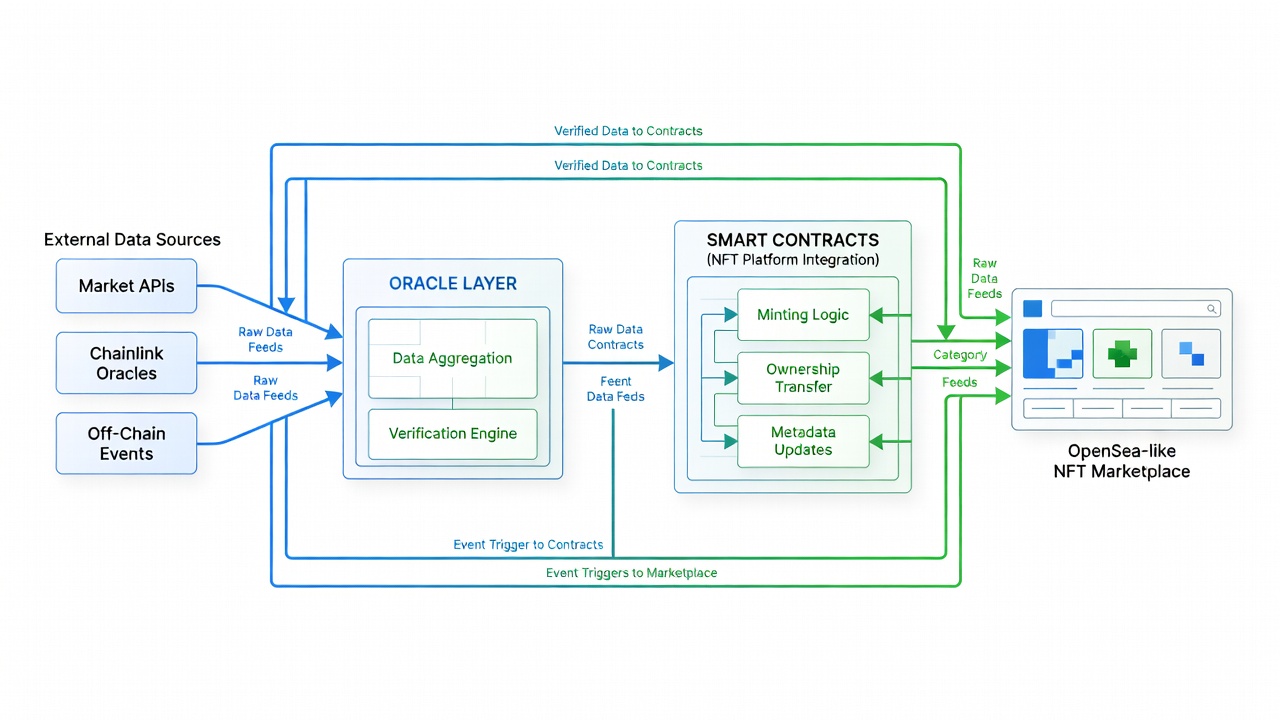
Blockchain oracles act as intermediaries that connect on-chain smart contracts with off-chain data. In the context of NFTs, they aggregate pricing information from various exchanges, liquidity pools, and market indicators to create a holistic view of asset value. Decentralized oracle networks use consensus mechanisms to ensure data integrity, minimizing single points of failure and protecting against manipulation. These systems typically involve multiple layers: data collection from trusted providers, validation through node networks, and secure transmission via cryptographic proofs.
Key components include data providers, aggregation algorithms, and reputation systems that score the reliability of each source. For NFT-specific use cases, oracles pull in metrics such as recent sales history, floor prices across platforms, trading volume trends, and even macroeconomic factors influencing digital asset demand. By leveraging networks like those from Chainlink, developers gain access to tamper-proof feeds that update continuously, far surpassing the limitations of manual or centralized data inputs.
Enhancing Accuracy Across Major Marketplaces
Leading platforms have adopted oracle solutions to refine their pricing models and deliver superior user experiences. OpenSea integrates oracle feeds to display more reliable valuations, reducing discrepancies between listed prices and actual market worth. This approach outperforms legacy methods that depended solely on internal algorithms or delayed API pulls, which often resulted in outdated or biased information during periods of high market activity.
Comparisons reveal that oracle-enhanced systems achieve significantly lower error rates in valuation predictions. Where traditional models might fluctuate wildly due to low liquidity events or isolated sales spikes, oracle integrations cross-reference multiple authenticated sources for greater stability. Additional marketplaces such as Blur and Magic Eden are exploring similar integrations, demonstrating a broader industry trend toward data-driven transparency that benefits both novice and professional traders.
Security Considerations for Oracle Integrations
While beneficial, oracle integrations introduce important security considerations that must be addressed proactively. Smart contract vulnerabilities can arise if data feeds are manipulated through attacks on individual nodes or consensus failures. Best practices include using decentralized networks with multiple independent node operators, implementing circuit breakers that halt operations during detected anomalies, and incorporating fallback mechanisms to secondary data sources.
Creators and developers should audit oracle contracts regularly through third-party security firms and prefer established providers with proven track records in high-stakes environments. Risk mitigation also involves diversifying data sources to prevent manipulation attacks common in centralized setups. Additional layers such as zero-knowledge proofs can further enhance verification without exposing sensitive information, ensuring the integrity of NFT pricing remains robust even under adversarial conditions.
Case Studies of Successful Implementations
Several projects in 2026 demonstrate the tangible benefits of oracle success in real-world scenarios. One notable example involves a decentralized art platform that used oracles to adjust NFT prices dynamically based on real-time cryptocurrency valuations and external market signals, resulting in smoother trading volumes and reduced seller frustration during volatile periods. Another case highlights a collectibles marketplace that reduced disputes over fair value by 40 percent after oracle deployment, as buyers gained access to transparent, multi-source pricing data.
A third implementation in the gaming NFT sector integrated oracles to track in-game asset performance metrics alongside external sales data, leading to more accurate valuations for rare items. These implementations underscore the shift from subjective pricing to data-driven decisions, benefiting both buyers and sellers seeking transparency and predictability in their transactions.
Step-by-Step Setup Guide for Creators
Creators interested in leveraging oracles can follow this practical, detailed guide to implement accurate pricing in their projects:
- Research compatible oracle networks and select one with robust NFT-specific data capabilities, evaluating factors like update frequency, supported chains, and historical uptime metrics.
- Connect your NFT smart contract to the oracle via API endpoints or SDKs, ensuring compatibility with your chosen blockchain such as Ethereum or Polygon for optimal performance.
- Configure data aggregation rules to include sales from multiple marketplaces, setting thresholds for minimum data points and weighting sources based on reliability scores.
- Test the integration extensively on a testnet to validate accuracy, security, and response times under simulated market conditions before any live deployment.
- Deploy to mainnet and monitor performance continuously through dedicated dashboards that track data freshness and anomaly alerts.
- Iterate based on user feedback and market changes, refining aggregation parameters as new data sources become available or trading patterns evolve.
This structured process empowers creators to maintain accurate listings without constant manual updates, fostering greater engagement within their communities.
Common Pitfalls and FAQs
Users often encounter pitfalls such as over-reliance on single data sources, neglecting latency issues during peak trading hours, or failing to account for chain-specific gas costs that can impact real-time updates. Addressing these early prevents valuation errors and maintains platform credibility.
Frequently Asked Questions
- What are the main benefits of oracle integration for NFT marketplaces? Real-time accuracy reduces volatility, builds trust among traders, and enables advanced features like automated royalties based on current valuations.
- How does this compare to traditional pricing models? Oracles provide verifiable, multi-source data versus isolated platform metrics that can be skewed by limited liquidity or manipulative listings.
- Are there future trends to watch? Expect deeper AI-oracle hybrids for predictive valuations, expanded cross-chain support, and integration with decentralized identity systems for provenance tracking.
- What security steps are essential? Always use decentralized oracles, conduct regular audits, and implement multi-source validation to safeguard against emerging threats.
- How can creators measure the impact of oracle adoption? Track metrics such as reduced listing disputes, increased trading volume, and improved user retention rates post-integration.
Future Trends for NFT Marketplace Users
Looking ahead, oracle technology will likely expand to include more nuanced data like social sentiment analysis from verified platforms, regulatory updates from global bodies, and environmental impact scores for sustainable NFT projects. Advanced techniques may involve hybrid models combining oracles with machine learning for even greater precision in forecasting price movements. Users should stay informed through reliable NFT news channels and experiment with pilot integrations to adapt quickly to these innovations, positioning themselves competitively in an evolving market.
Conclusion
Oracle integration represents a significant advancement in 2026 NFT updates, delivering the accuracy and reliability demanded by modern marketplaces. By understanding mechanics, exploring examples like OpenSea, addressing security rigorously, and following detailed setup best practices, participants can navigate this space more effectively. Continued innovation promises even more robust tools for the ecosystem, ultimately fostering a healthier and more transparent NFT environment for all stakeholders.

No comments yet. Be the first!