 CryptoChain Blog
Introduction to 2026 NFT Updates and UGC Trends
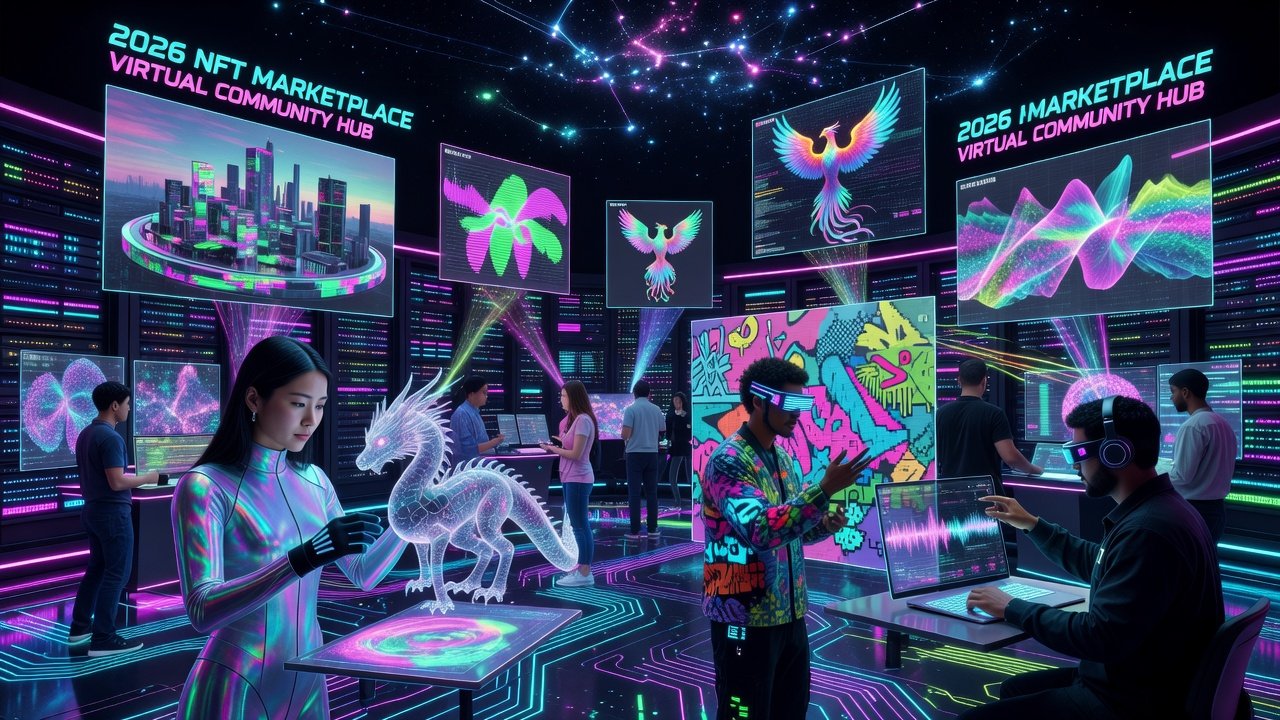
As the NFT ecosystem matures in 2026, user-generated content (UGC) stands out as a transformative force reshaping marketplaces. Creators from all backgrounds are minting original works directly on platforms, fostering greater diversity and community-driven growth. This shift aligns with broader Ethereum ecosystem developments that emphasize accessible tools for decentralized creation. UGC in NFTs refers to digital assets designed, customized, and minted by individual users rather than centralized teams. In 2026, this approach fuels innovation by lowering barriers and encouraging participation from hobbyists to professionals. The trend builds on previous years where platform monopolies dominated, but now open protocols enable anyone with a computer and internet connection to contribute meaningfully. Marketplaces benefit from this influx because it creates organic liquidity and reduces the risk of content fatigue that plagued earlier cycles.
Key Benefits of UGC in NFT Marketplaces
UGC delivers measurable advantages for both creators and collectors. Engagement rates often surge because community members feel invested in the ecosystem. Fresh inventory keeps platforms dynamic, attracting collectors who value one-of-a-kind items over mass-produced collections. Higher retention occurs through personalized experiences where users see their own ideas reflected in the marketplace. Expanded diversity appears in art styles, themes, and utility functions that range from simple digital art to interactive experiences. Stronger community bonds form via collaborative minting events that encourage sharing and feedback loops. Reduced reliance on traditional gatekeepers allows emerging talent to bypass curators and reach audiences directly. These factors contribute to sustainable marketplace growth amid evolving OpenSea marketplace features. Collectors report higher satisfaction when discovering niche items that align with specific interests rather than following mainstream hype cycles.
How UGC Drives Creator Diversity and Community Participation
Creator diversity expands dramatically when UGC tools become widely available. Artists from underrepresented regions gain visibility without needing expensive marketing campaigns. Community participation increases as users vote on platform updates, organize challenges, and co-create collections. This participatory model mirrors successful open-source software projects where collective input leads to rapid iteration. In practice, platforms that reward contributions with governance tokens see higher retention rates over time. Diversity also manifests in thematic variety, including cultural heritage pieces, educational resources, and experimental multimedia works that would not fit traditional gallery models.
Leading Platforms Supporting UGC Creation
Several established platforms now prioritize UGC tools. OpenSea offers intuitive minting interfaces with royalty settings that let creators earn ongoing percentages from resales. Rarible emphasizes community governance, allowing token holders to propose new features and vote on marketplace direction. Foundation focuses on curated yet user-led drops with strong social integration that connects artists directly to collectors. Additional platforms such as Blur and Magic Eden provide specialized tools for high-volume traders while still supporting individual creators. Comparisons reveal differences in gas fee handling, template variety, and analytics dashboards. Beginners often start on platforms with zero-fee minting options during promotional periods, while advanced users prefer those with advanced customization layers and API access for automation. Each platform balances ease of use against depth of features differently, so evaluating user reviews and testing small mints helps determine the best fit.
Real-World Success Examples from Top NFT Marketplace Sites
Case studies from 2026 highlight UGC impact. One independent artist community on a major platform generated thousands of unique pieces through collaborative challenges, resulting in sustained secondary market activity and repeat buyers. Another example involves gamers uploading custom skins that integrated with existing metaverse projects, boosting overall platform liquidity and creating new revenue streams for both creators and game developers. A third case saw musicians releasing interactive audio NFTs where buyers could remix stems, leading to viral sharing and increased platform visibility. These successes demonstrate how UGC complements nft news trends like interoperability standards and cross-chain transfers. They also illustrate the importance of timing launches around community events to maximize initial momentum.
Integration Tactics with Existing NFT News Trends
To stay relevant, creators should monitor trends such as AI-assisted design tools and sustainability-focused minting. Aligning UGC with these developments involves adopting eco-friendly blockchain options and experimenting with hybrid AI-human workflows. Practical integration includes participating in trending hashtag campaigns and leveraging platform APIs for automated listings. Monitoring news sources helps creators anticipate shifts in collector preferences, such as growing demand for utility-focused NFTs over pure collectibles. Successful creators often cross-promote across multiple social platforms while embedding metadata that links back to their primary marketplace profiles.
Actionable Steps for Beginners to Launch Their Own Content
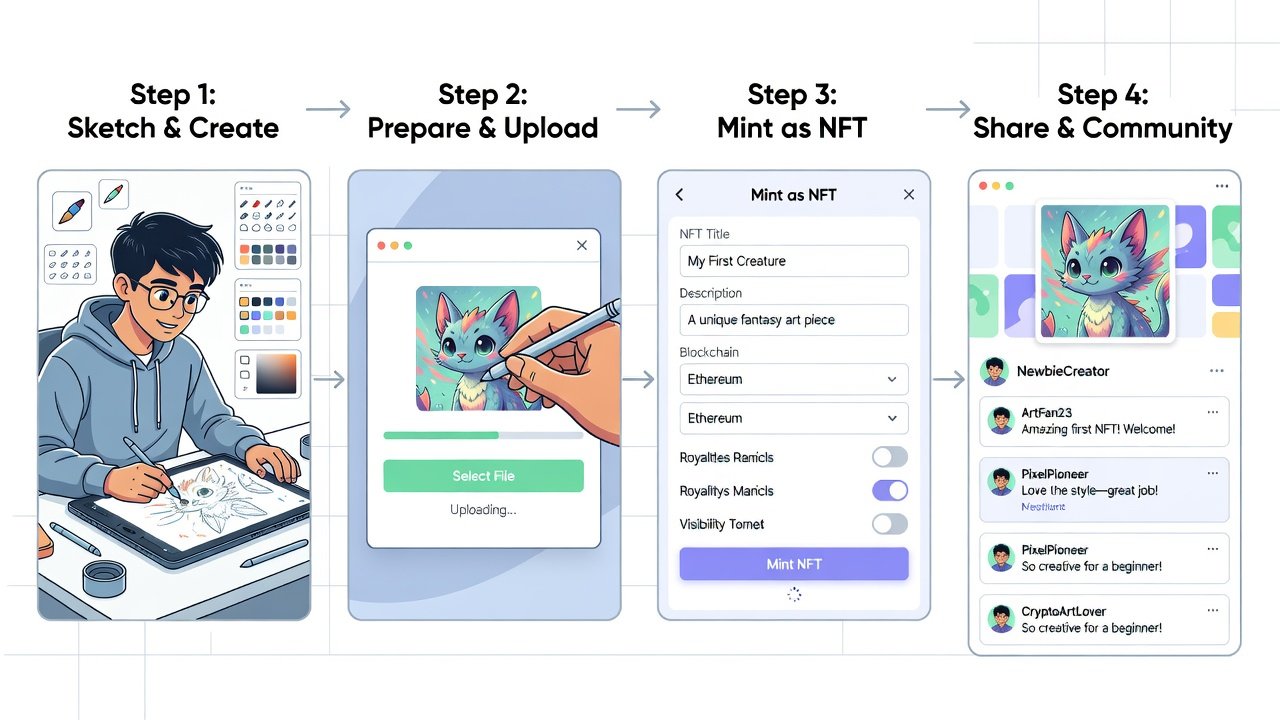
Follow this structured approach to enter the UGC space. First, research and select a platform matching your skill level and goals by comparing user interfaces and fee structures. Second, prepare original digital files in supported formats like PNG, GLB, or MP4 while ensuring they meet resolution and size requirements. Third, set up a compatible wallet and acquire minimal cryptocurrency for fees, starting with testnet transactions if available. Fourth, mint your first asset using guided templates and review all metadata for accuracy before confirming the transaction. Fifth, promote via social channels and engage with collector feedback by responding promptly to comments and questions. Sixth, iterate based on analytics to refine future drops and identify which styles resonate most. Consistency and community interaction remain critical for long-term visibility. Additional tips include joining Discord servers associated with target platforms and studying successful listings to understand effective pricing and description strategies.
Comparisons of Tools Across Platforms
Evaluating tools side-by-side helps decision-making. Some platforms excel in drag-and-drop editors suitable for non-technical users, while others offer code-based customization for developers seeking unique behaviors. Gas optimization features vary, with certain sites offering layer-2 solutions for lower transaction costs and faster confirmations. Community support forums also differ in responsiveness and depth of resources, making trial participation valuable. Analytics dashboards range from basic sales tracking to advanced audience demographics that inform future creation decisions. Creators should test multiple tools during free periods to determine which combination best supports their workflow and artistic vision.
Common Mistakes to Avoid When Creating UGC NFTs
Many beginners overlook metadata optimization, resulting in poor discoverability. Others neglect community engagement, which limits organic reach. Overpricing early works or flooding the market with low-effort items can damage reputation. Failing to research copyright and licensing requirements may lead to legal complications. Avoiding these pitfalls requires thorough preparation and ongoing education through platform resources and creator forums.
FAQ: Addressing Monetization Challenges
How do royalties work with UGC?
Most platforms allow creators to set perpetual royalties ranging from five to ten percent on secondary sales, though actual earnings depend on trading volume and market conditions.
What are common pitfalls in monetization?
Over-saturation and poor marketing often limit revenue. Diversifying across multiple marketplaces and building genuine audiences mitigates these issues while maintaining consistent quality standards.
Can beginners realistically earn from UGC?
Yes, through consistent output and strategic promotion, though initial success typically requires patience and iterative learning from early feedback.
How important is timing when launching new UGC?
Timing significantly affects visibility, especially when aligning releases with platform events or broader industry news cycles that increase overall traffic.
Conclusion
User-generated content continues to invigorate NFT marketplaces in 2026 by empowering diverse voices and delivering unique value to collectors. By understanding platforms, following actionable steps, and integrating with current trends, both new and experienced creators can participate meaningfully in this evolving landscape. The ongoing maturation of tools and communities promises even greater opportunities for those who approach UGC with creativity and persistence.
No comments yet. Be the first!