 CryptoChain Blog
Introduction to 2026 NFT Updates in the Metaverse
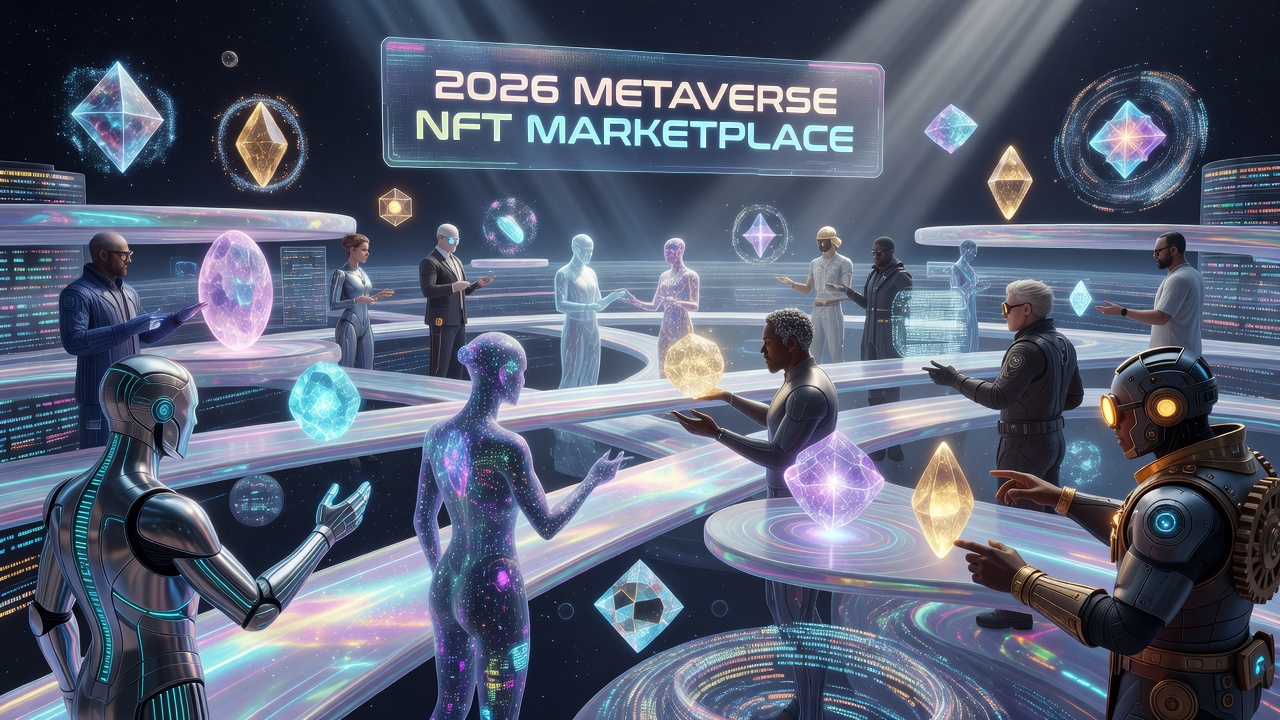
The metaverse continues to reshape how digital assets are created, traded, and experienced, with 2026 marking a pivotal year for NFT updates. Collectors and creators are no longer limited to simple buying and selling on centralized platforms. Instead, the focus has shifted toward sophisticated integration strategies that connect multiple virtual environments, enhance user experiences, and unlock new economic models. This evolution emphasizes utility-driven NFTs that serve as keys to social spaces, virtual real estate, and interactive content across interconnected worlds. As blockchain technology matures, platforms are addressing previous limitations around scalability and cross-compatibility, allowing assets to retain value and functionality wherever users go. Forward-looking opportunities abound for those who understand these changes, from artists monetizing immersive experiences to investors building diversified portfolios in persistent virtual economies. This article delves into the core advancements shaping metaverse marketplaces, providing actionable insights that go beyond surface-level trends.
Platform Interoperability Features
Interoperability stands at the forefront of 2026 NFT updates, enabling seamless movement of assets between disparate virtual worlds. Modern metaverse hubs implement standardized protocols that preserve an NFT's metadata, visual integrity, and functional attributes during transfers. This capability reduces the silos that once fragmented the ecosystem, allowing a single digital collectible to function as both a wearable item in one environment and a governance token in another. Developers leverage open-source frameworks to build bridges between blockchains, fostering composability where NFTs interact dynamically with smart contracts from unrelated platforms. For creators, this means broader reach without duplicating efforts, while collectors benefit from enhanced liquidity and reduced risk of asset obsolescence. Real-world implementations include cross-world event participation, where users display NFTs in collaborative virtual galleries or use them in multiplayer games spanning multiple hubs. The result is a more cohesive digital economy that mirrors the interconnected nature of the broader web3 landscape.
These features also introduce new layers of security and verification, ensuring provenance remains intact across boundaries. Users can verify ownership histories through unified explorers, building trust in an otherwise complex system.
User Adoption Metrics from Leading Virtual Worlds
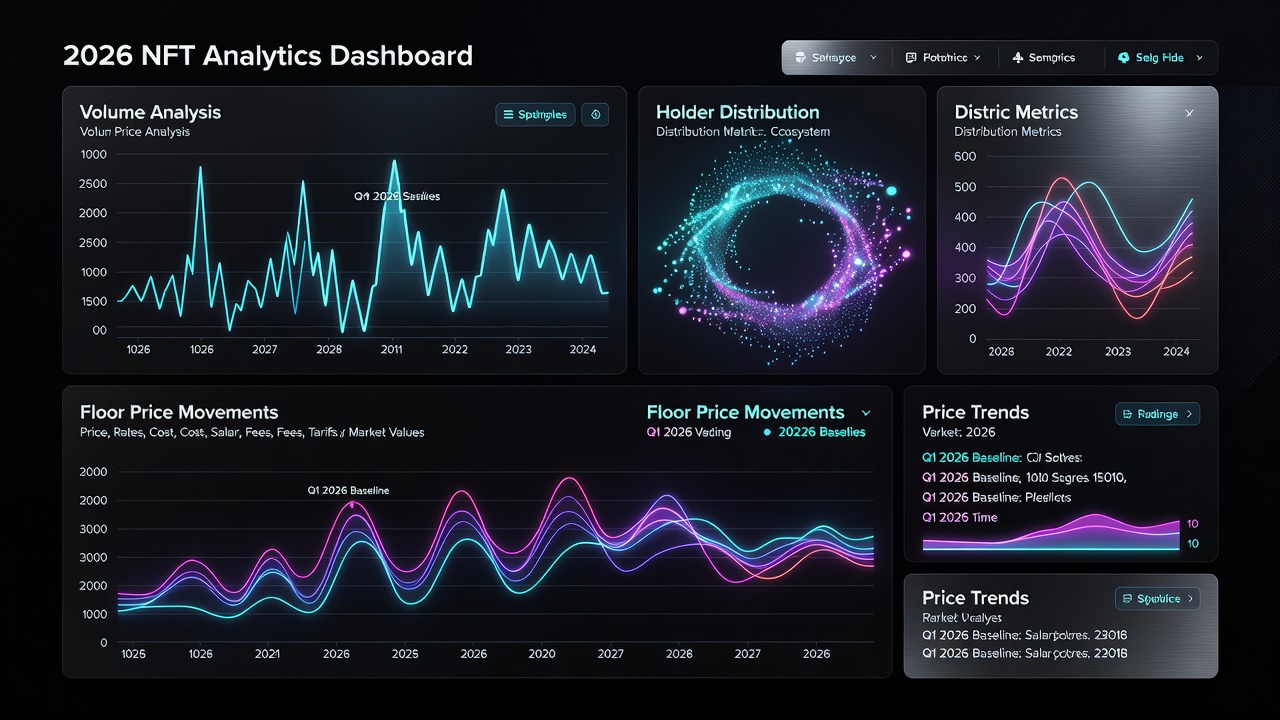
Adoption patterns in leading virtual worlds reveal a maturing market where engagement metrics highlight the shift toward practical utility. Platforms report sustained growth in daily interactions centered around NFT marketplaces, driven by intuitive interfaces and embedded social tools that make participation accessible to non-technical users. Retention improves dramatically when marketplaces integrate directly into virtual experiences, allowing seamless transitions from exploration to trading without external redirects. Communities thrive on shared ownership models, with users forming collectives to co-create and monetize experiences. This data underscores a transition from speculative hype to genuine ecosystem building, where collectors prioritize assets with ongoing utility such as access passes or customizable elements. Emerging trends show higher participation from diverse demographics, including enterprises experimenting with branded virtual spaces.
These metrics reflect broader web3 maturation, signaling that metaverse economies are stabilizing into viable alternatives for digital interaction and commerce.
Comparisons of Transaction Fees Across Emerging Metaverse Hubs
Transaction fee structures play a critical role in platform selection, with emerging metaverse hubs differentiating themselves through innovative cost models. Some prioritize percentage-based royalties that scale with asset value, while others adopt tiered systems rewarding frequent users with reduced rates. Qualitative advantages include greater transparency in fee breakdowns and support for alternative payment methods that minimize volatility. Collectors evaluating hubs should consider not only base costs but also ancillary factors like royalty enforcement for creators and network congestion handling. Hubs built on efficient layer-2 solutions often deliver faster confirmations with lower overhead, making them attractive for high-volume traders. In contrast, more established platforms may offer enhanced security features that justify slightly higher fees for premium users. Comparing these approaches helps participants optimize strategies, whether focusing on short-term flips or long-term holding in dynamic virtual economies. Understanding these nuances ensures decisions align with individual goals in the evolving 2026 landscape.
Step-by-Step Guide to Listing NFTs in Metaverse Environments
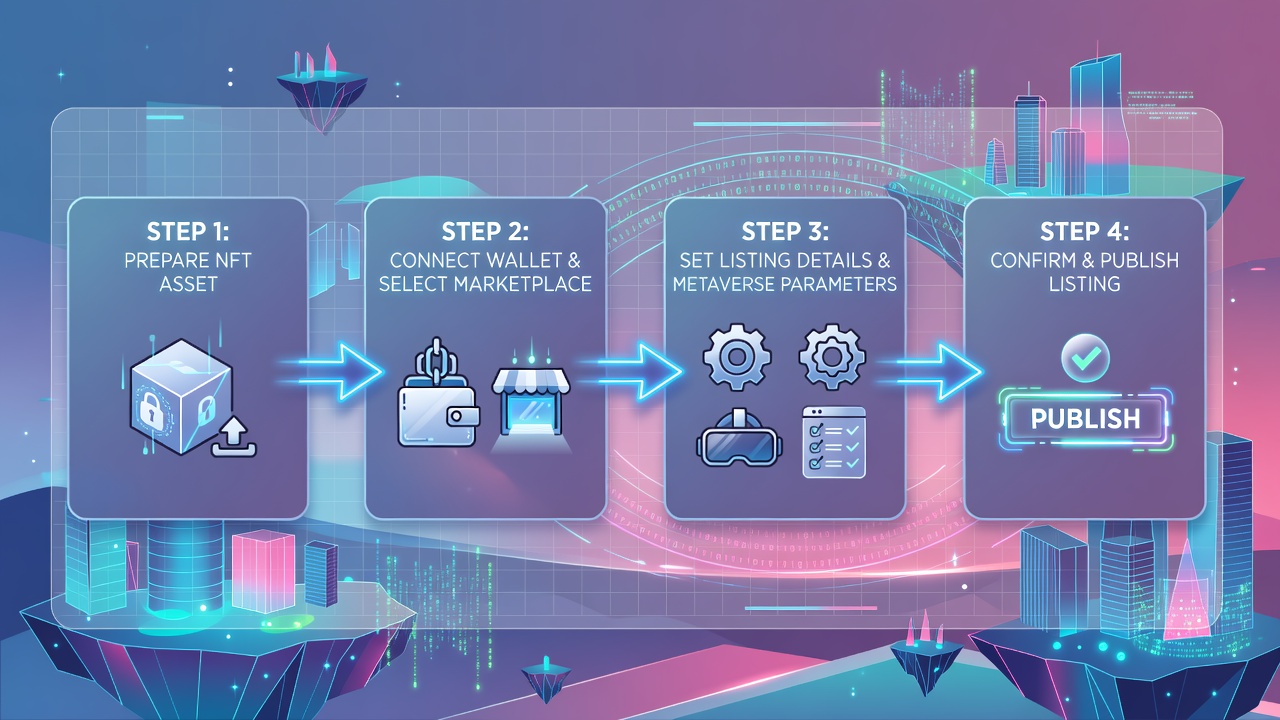
Successfully listing an NFT in a metaverse marketplace involves a structured process that accounts for technical compatibility and audience engagement. Begin by preparing your asset with comprehensive metadata, including interoperability tags, usage permissions, and visual variants optimized for different virtual rendering engines. Next, select and configure a compatible wallet that supports the target blockchain and any required extensions for metaverse connectivity. Verify platform standards thoroughly to confirm the NFT will retain functionality across multiple worlds, testing small transfers if possible. Upload the asset through the marketplace interface, carefully setting pricing parameters, royalty percentages for ongoing creator benefits, and visibility settings tailored to specific communities. Enable any available sandbox testing modes to simulate real-world usage before public exposure. Finally, promote the listing via integrated social features, virtual events, or cross-platform collaborations to maximize initial visibility and traction. This methodical approach minimizes common pitfalls and positions assets for sustained success in interconnected environments.
- Research multiple hubs to identify the best fit for your NFT's theme and target audience.
- Ensure all smart contract interactions comply with current security best practices.
- Monitor performance post-listing and adjust based on user feedback and engagement data.
Real-World Examples from Current Projects
Several pioneering projects illustrate the practical impact of these 2026 advancements. Virtual land platforms now embed marketplaces where NFTs double as entry credentials to exclusive districts, enabling owners to host events or monetize access dynamically. Creator collectives leverage cross-world assets to establish persistent economies, allowing collectors to showcase and trade items fluidly across environments without duplication. Educational initiatives use NFT-based credentials within metaverses to verify skills acquired through virtual workshops, bridging digital ownership with real-world value. These examples demonstrate how interoperability and utility converge to create richer experiences, moving the focus from isolated trading to holistic ecosystem participation. By studying such implementations, new entrants can adapt proven tactics to their own ventures.
FAQ: Addressing Common Onboarding Challenges
How do I ensure my NFT works across different metaverses?
Start by selecting assets built on widely adopted standards and conduct transfer tests in controlled environments. Review documentation from major networks and participate in community forums for platform-specific advice. Early validation prevents compatibility issues that could limit an asset's reach.
What are the biggest barriers for new collectors?
Initial setup of secure wallets and comprehension of varying fee structures often deter beginners. Many platforms now provide step-by-step onboarding flows and educational resources to ease entry, along with community mentorship programs that accelerate learning curves.
Are there risks with interoperability features?
While powerful, interoperability can introduce edge-case compatibility challenges during transfers. Mitigate these through adherence to verified protocols and regular updates from platform developers, ensuring assets remain functional as ecosystems evolve.
Conclusion
The advancements in metaverse NFT marketplaces during 2026 highlight a clear trajectory toward deeper integration and user-centric design. By mastering interoperability, understanding adoption signals, comparing operational costs, and following structured listing processes, creators and collectors can capitalize on emerging opportunities. Continued exploration of resources from Ethereum, World Economic Forum, and W3C will keep participants ahead of the curve in this dynamic space.
No comments yet. Be the first!