 CryptoChain Blog
Introduction to the 2026 RWA NFT Revolution
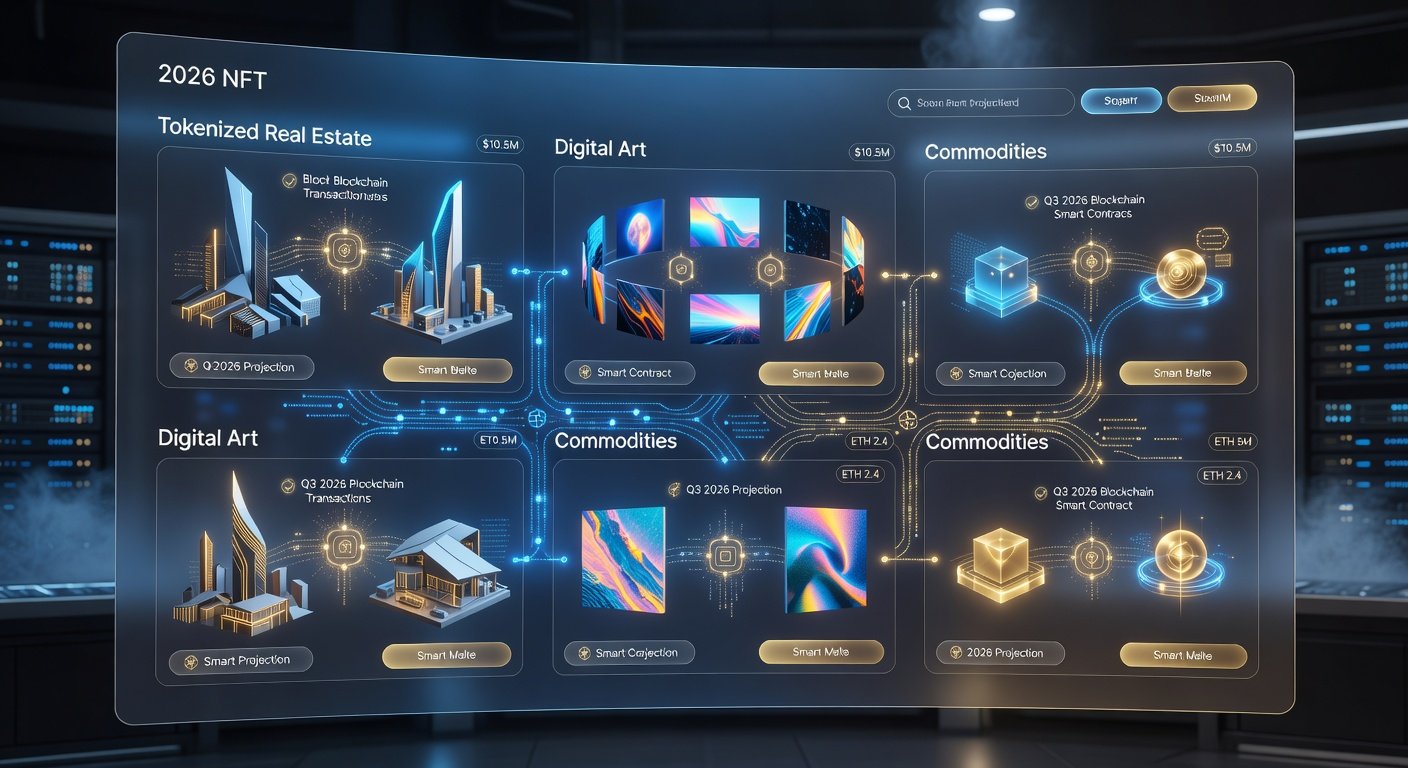
The NFT landscape in 2026 is undergoing a dramatic transformation driven by Real World Assets (RWAs). Tokenization of tangible items like real estate, fine art, and commodities is injecting unprecedented liquidity and utility into NFT marketplaces. This shift attracts investors seeking high-liquidity opportunities beyond pure digital collectibles. As fractional ownership becomes mainstream, RWAs are bridging traditional finance with blockchain technology, creating new pathways for accessibility and returns. Market participants are increasingly drawn to these assets because they combine the transparency and efficiency of blockchain with the stability of physical value. This evolution marks a pivotal moment where NFTs transition from speculative digital art to practical investment vehicles.
Understanding RWA Tokenization in NFTs
RWA tokenization converts ownership rights of physical assets into blockchain-based tokens. This process enables fractional shares, allowing investors to own portions of high-value items without full upfront capital. In 2026, real estate leads this trend, followed closely by art and commodities such as gold and oil. The underlying technology relies on smart contracts that automate compliance, revenue distribution, and transfer of ownership. Tokenized assets maintain legal backing through established frameworks, ensuring that each token represents verifiable claims on the real-world item. This creates a seamless bridge between illiquid traditional markets and the dynamic world of decentralized finance.
Key Sectors Driving RWA Growth
Real estate dominates RWA adoption due to its high value and steady income potential from rentals. Art tokenization appeals to collectors by enabling shared ownership of masterpieces, while commodities provide exposure to raw materials without physical storage needs. Each sector benefits from blockchain's immutable records, reducing fraud and enhancing trust among global participants. Investors appreciate how these tokenized assets offer diversification within a single portfolio managed through NFT interfaces.
Top RWA Platforms and Integrations
Several platforms dominate the RWA space. Centrifuge provides decentralized infrastructure for asset tokenization, focusing on invoice financing and real estate. RealT specializes in U.S. property tokenization with seamless integrations across NFT ecosystems. Additional players include platforms that facilitate art and commodity tokenization, often partnering with established marketplaces for broader distribution. These integrations allow RWAs to flow naturally into user-friendly trading environments.
Volume Surges on Blur and OpenSea
Marketplaces like Blur and OpenSea report significant volume increases from RWA listings. The influx of tokenized assets has boosted trading activity, with RWAs contributing to higher liquidity pools compared to earlier years. This growth reflects strong investor confidence in hybrid digital-physical investments. Daily transaction volumes have risen as more institutional and retail users participate, creating vibrant secondary markets for previously illiquid holdings.

Benefits of Fractionalized RWAs for Accessibility
Fractionalization democratizes investment. Instead of purchasing an entire property, users buy tokens representing shares. This lowers barriers, diversifies portfolios, and enables smaller investors to participate in premium assets. Additional advantages include reduced transaction costs through blockchain efficiency and improved price discovery via open markets. Fractional RWAs also support instant settlement and borderless transfers, making them ideal for international investors who previously faced regulatory and logistical hurdles in traditional asset classes.
Case Examples of Tokenized Properties and Assets
Real-world examples highlight tokenized real estate delivering strong performance. Properties in major markets have achieved yields through rental income distributed via tokens. Art pieces from renowned collections have been fractionalized, allowing multiple owners to share in appreciation events like auctions or exhibitions. Commodity examples include tokenized gold vaults where token holders receive proportional storage and insurance benefits. These cases demonstrate how RWAs combine appreciation with ongoing revenue streams while maintaining full regulatory compliance.
RWA vs Digital NFT Performance Comparison YTD
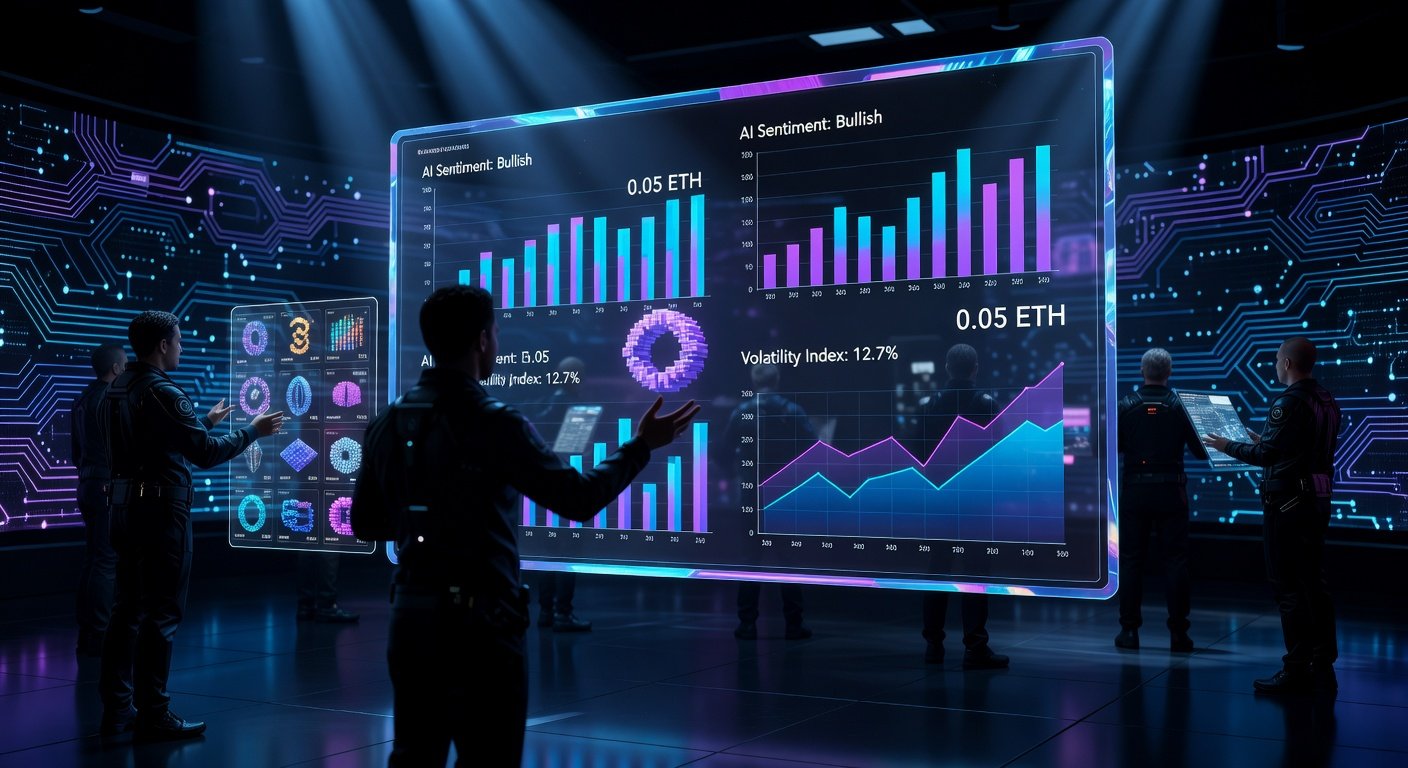
Year-to-date analysis shows RWAs outperforming pure digital NFTs in stability and volume resilience. While digital collectibles fluctuate with hype cycles, RWAs benefit from underlying asset fundamentals, leading to more consistent trading patterns and lower volatility in many segments. Comparative reviews indicate that RWA marketplaces sustain activity during market downturns because of their connection to real economic value, unlike purely speculative digital items that rely heavily on sentiment.
Practical Steps for Minting and Buying RWAs
- Research compliant platforms and verify asset backing through third-party audits and legal documentation.
- Set up a compatible wallet supporting the required blockchain network and enable necessary security features.
- Complete KYC processes where mandated for regulatory adherence to ensure smooth onboarding.
- Review asset details including valuation reports, insurance coverage, and projected yields before committing funds.
- Mint or purchase tokens via integrated marketplaces, starting with small fractions to test the process.
- Monitor holdings using portfolio tools, claim distributions promptly, and stay informed about market developments.
Risks and Considerations for RWA Investors
While promising, RWAs carry risks such as regulatory changes, liquidity fluctuations, and custody challenges. Investors should assess platform security, understand smart contract vulnerabilities, and diversify across multiple asset types. Staying updated on evolving legal standards helps mitigate potential compliance issues that could affect token usability.
FAQ on Tax Implications and Custody Best Practices
What are the tax implications of RWA NFTs?
Tax treatment varies by jurisdiction but often classifies gains from RWA sales as capital gains. Investors must track acquisition costs, income from distributions, and disposal events carefully for accurate reporting.
How should investors handle custody of RWA tokens?
Use hardware wallets or institutional-grade custodians for security. Enable multi-signature setups and regularly audit private keys to mitigate risks associated with loss or theft.
Are there specific regulations governing RWA trading?
Regulations differ globally, with bodies like the SEC providing guidance on securities classification. Always consult legal experts familiar with blockchain assets in your region.
Conclusion
The 2026 RWA marketplace boom signals a maturing NFT sector where real utility meets digital innovation. By understanding platforms, strategies, risks, and best practices, investors can capitalize on this evolution for diversified, high-potential opportunities that blend traditional value with blockchain efficiency.
No comments yet. Be the first!