 CryptoChain Blog
Introduction
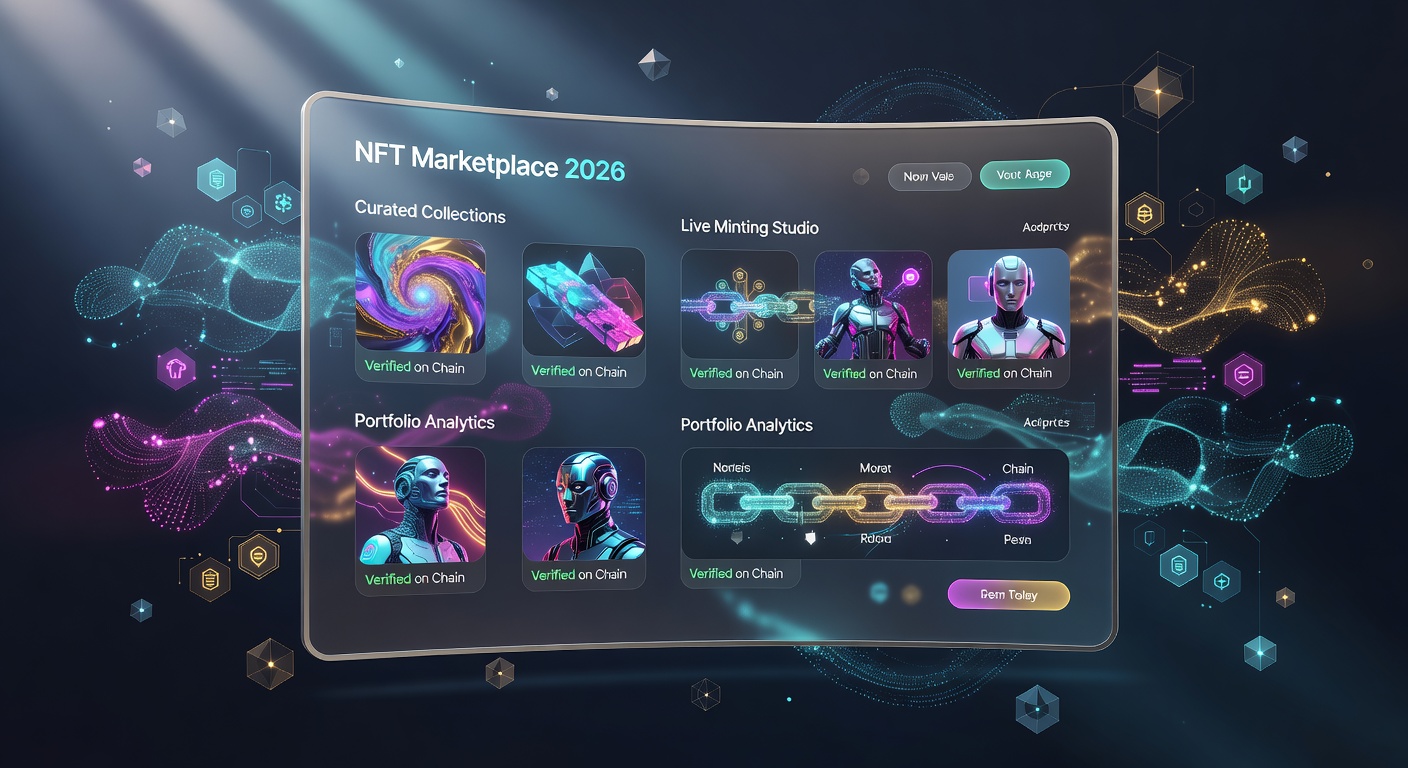
Selecting the right NFT marketplace in 2026 requires careful evaluation of evolving technology and user needs. The digital asset landscape has advanced significantly, with new protocols enhancing scalability and user accessibility across global networks. This guide provides a detailed framework for beginners and experienced collectors alike, focusing on forward-looking trends that shape platform performance and reliability throughout the year.
The NFT ecosystem continues to mature with improved infrastructure and broader adoption across digital art, gaming, virtual real estate, and real-world asset tokenization. Marketplaces now integrate advanced features such as AI-assisted discovery tools and enhanced royalty enforcement mechanisms. Users must prioritize platforms that balance accessibility with robust technical capabilities to ensure long-term success in trading and creation activities.
Understanding these dynamics helps avoid common oversights that could lead to suboptimal experiences. By examining core criteria in depth, individuals can align their choices with personal objectives and emerging industry standards.
Key Evaluation Criteria
Transaction Fees and Cost Efficiency
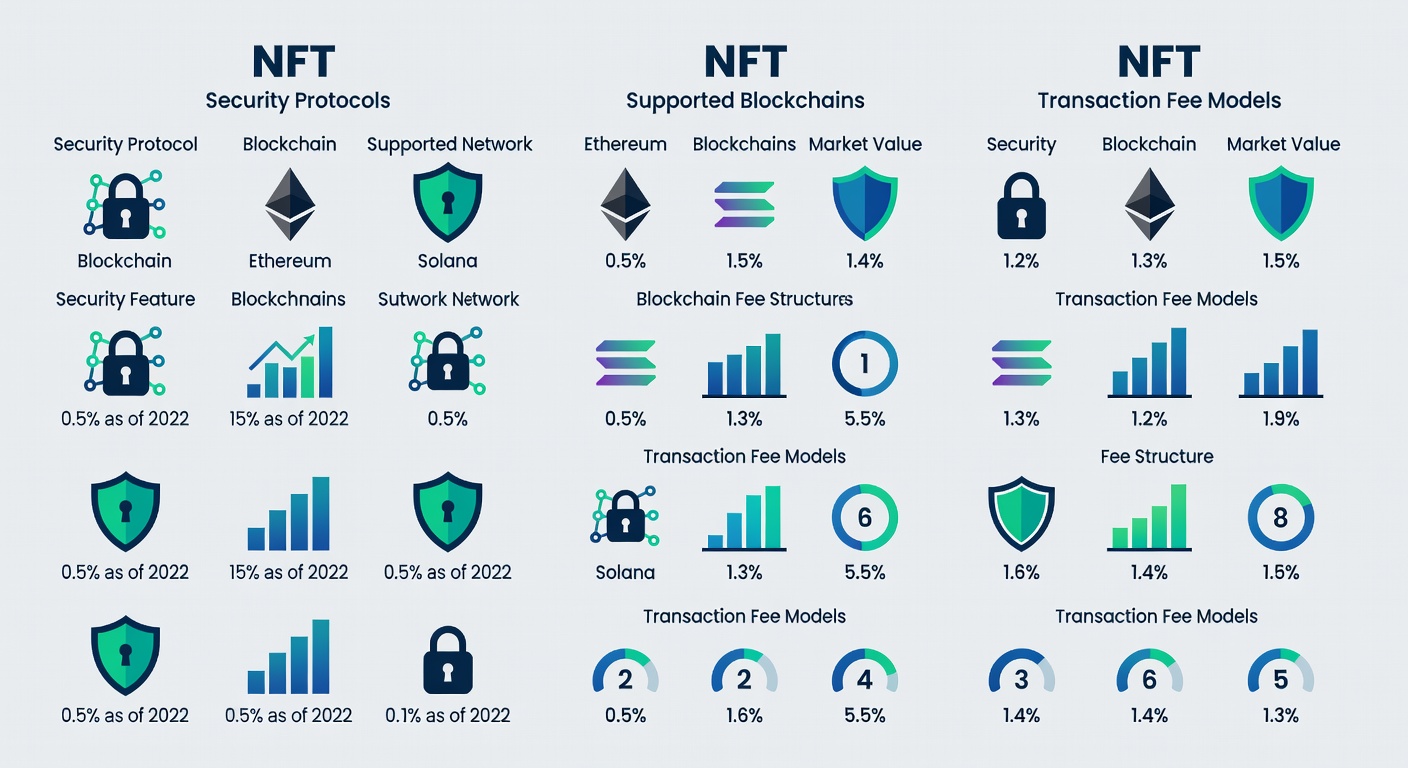
Platform fees directly impact profitability for both creators and traders. Look for marketplaces with transparent pricing structures that minimize hidden costs during minting, listing, and sales processes. In 2026, many platforms offer tiered fee models that reward higher volume users while maintaining competitive rates for occasional participants. Consider how fee models adapt to network congestion and whether they include options for gasless transactions on supported Layer-2 networks.
Evaluating cost efficiency also involves assessing royalty structures that protect creators while allowing flexible adjustments. Platforms that provide real-time fee calculators and historical cost analytics empower users to make data-driven decisions before committing to large transactions.
Security Protocols and User Protection
Strong security remains non-negotiable in an environment where digital assets hold substantial value. Prioritize platforms employing audited smart contracts, multi-factor authentication, and insurance mechanisms for asset protection. Regular third-party audits and transparent incident response policies reduce risks associated with hacks or exploits that have affected the space in previous years.
Additional considerations include cold storage options for platform-held funds and bug bounty programs that incentivize ethical reporting of vulnerabilities. Users should examine the track record of each marketplace regarding past security incidents and the effectiveness of their remediation efforts.
Supported NFT Types and Standards
Evaluate compatibility with established standards like ERC-721 and ERC-1155 alongside emerging formats for dynamic, fractionalized, or programmable NFTs. Marketplaces supporting diverse asset classes including generative art, music files, virtual land parcels, and collectible items provide greater flexibility for creators and collectors seeking variety.
In 2026, forward-thinking platforms also accommodate new standards focused on sustainability and interoperability. This broad support enables seamless participation in multiple ecosystems without requiring multiple accounts or complex migrations.
Cross-Chain Compatibility
Interoperability across blockchains such as Ethereum, Polygon, Solana, and emerging Layer-2 solutions enables seamless transfers and access to wider liquidity pools. Platforms with native bridging tools simplify multi-chain experiences without compromising speed or security during asset movements.
Users benefit from reduced dependency on single-network limitations, allowing them to capitalize on opportunities across ecosystems. Reliable cross-chain functionality often includes clear documentation and user-friendly interfaces that guide even novice participants through complex transfers.
User Interface, Liquidity, and Governance
Beyond technical specs, assess the overall user experience through intuitive dashboards, mobile responsiveness, and search functionalities powered by advanced algorithms. High liquidity ensures easier buying and selling without significant price slippage, while governance models that involve community voting foster platform evolution aligned with user preferences.
These factors collectively determine whether a marketplace can support sustained engagement over time.
Step-by-Step Selection Process
- Define your primary use case, whether minting original work, trading established collections, participating in play-to-earn games, or exploring niche categories like tokenized real estate.
- Research current platform features using official documentation, whitepapers, and verified community feedback channels to gather unbiased insights.
- Test wallet integration and transaction flows with small test amounts to verify usability, speed, and any unexpected friction points in the process.
- Compare supported chains, asset standards, and additional tools against your existing portfolio and future expansion plans.
- Review security certifications, audit reports, and past performance during periods of market volatility to gauge resilience.
- Engage with community forums and support channels to understand real-user experiences and responsiveness to issues.
Real-World Examples from Leading Platforms
Established marketplaces demonstrate varying strengths that illustrate these criteria in practice. Some excel in high-volume trading environments with deep liquidity pools, while others focus on creator-centric tools, advanced analytics, and community governance features. Examining these differences helps match platform capabilities to individual goals and risk tolerance levels.
Users frequently reference resources from Ethereum Foundation when assessing technical compatibility and future protocol upgrades that influence marketplace development. Additional insights can be drawn from Web3 Foundation materials that cover broader interoperability standards relevant to cross-chain activities.
Actionable Checklists
- Verify wallet support for hardware options, multi-signature setups, and seamless connections to popular browser extensions.
- Confirm gas fee optimization features, Layer-2 availability, and options for sponsored transactions that reduce user costs.
- Review dispute resolution processes, seller protections, and mechanisms for handling fraudulent listings or intellectual property concerns.
- Assess mobile app functionality, notification systems, and accessibility features for users on various devices.
- Evaluate community size, moderation quality, educational resources, and long-term engagement opportunities available on the platform.
- Check for integration with external tools such as portfolio trackers, analytics dashboards, and decentralized storage solutions.
Common Pitfalls and How to Avoid Them
Many users encounter issues with unexpected gas fees during peak periods or incomplete wallet integrations that lead to failed transactions. Always simulate transactions in test environments and maintain updated wallet software to minimize disruptions. Understanding bridge risks across chains prevents loss of funds during transfers and helps maintain asset integrity.
Another frequent mistake involves overlooking royalty settings or failing to review terms related to asset ownership rights. Taking time to read platform policies thoroughly and starting with low-value activities builds confidence before scaling involvement.
Frequently Asked Questions
What should I consider first when evaluating fees?
Start by reviewing the full fee schedule including platform cuts, network costs, and royalty settings rather than focusing solely on headline percentages. Compare these across multiple platforms using available calculators.
How important is cross-chain support in 2026?
Cross-chain functionality has become essential for accessing diverse liquidity and reducing dependency on any single network's congestion or fees, enabling broader market participation.
Are there specific security features to verify?
Confirm the presence of audited contracts, cold storage options for platform reserves, and clear insurance coverage details before committing significant assets to any marketplace.
How do I assess long-term platform viability?
Examine team transparency, funding sources, user growth metrics, and active development roadmaps that indicate sustained commitment to improvements and feature additions.
Conclusion
Making an informed choice about an NFT marketplace in 2026 involves balancing technical features, security standards, usability, and alignment with personal objectives. By applying the criteria, checklists, and insights outlined above, users can navigate the landscape confidently and select platforms that support successful long-term engagement in the evolving digital asset space.
No comments yet. Be the first!