 CryptoChain Blog
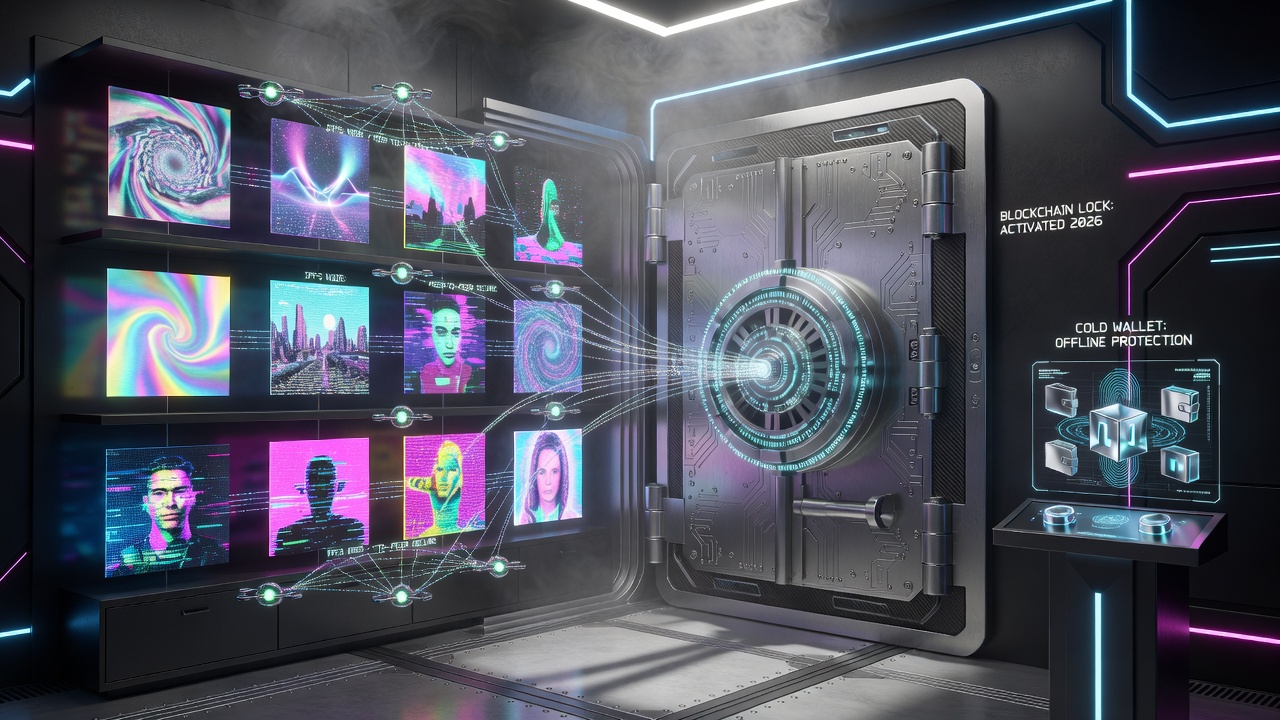
Introduction to Secure NFT Storage in 2026
As NFT marketplaces continue to mature in 2026, collectors are increasingly aware of the need for robust storage solutions to protect their digital assets from sophisticated cyber threats, hardware failures, and network disruptions. High-value NFTs representing art, collectibles, and virtual real estate require strategies that balance security with easy accessibility. This comprehensive guide delves into advanced methods such as enhanced IPFS protocols, cold wallet integrations, and hybrid cloud solutions, supported by real-world examples from leading platforms and practical advice tailored for serious collectors seeking to safeguard their portfolios amid evolving risks.
Decentralized Storage with IPFS Enhancements
IPFS has long served as a foundational technology for ensuring NFT metadata and files remain accessible without relying on centralized servers. In 2026, enhancements include advanced pinning mechanisms, improved content addressing algorithms, and integration with layer-two scaling solutions that boost retrieval speeds while maintaining decentralization. These updates address previous limitations around file availability during high-traffic periods on marketplaces. Collectors benefit from using distributed pinning services that replicate data across global nodes, reducing the risk of loss if a single provider goes offline. For instance, platforms now offer automated replication policies that trigger additional pins based on access patterns. To understand the core principles behind these developments, explore resources at IPFS official site. Practical implementation involves uploading assets through compatible tools, verifying CID integrity, and monitoring node health via dashboards provided by service providers.
Advanced IPFS Features for Collectors
Beyond basic pinning, 2026 brings support for encrypted IPFS gateways and selective disclosure features that allow owners to control visibility without compromising permanence. Real-world applications include artists using these tools to distribute limited-edition drops where files are pinned across multiple continents for redundancy. Collectors should test retrieval times regularly and combine IPFS with backup CIDs to future-proof against protocol changes.
Cold Wallet Integrations for Maximum Security
Cold wallets, which keep private keys completely offline, represent one of the most secure options for storing high-value NFTs. In 2026 integrations with major marketplaces enable direct transfers without exposing keys to online environments. This method excels at protecting against remote hacks but demands disciplined key management practices. Collectors often pair cold storage with multi-signature setups involving trusted parties or recovery services for added resilience.
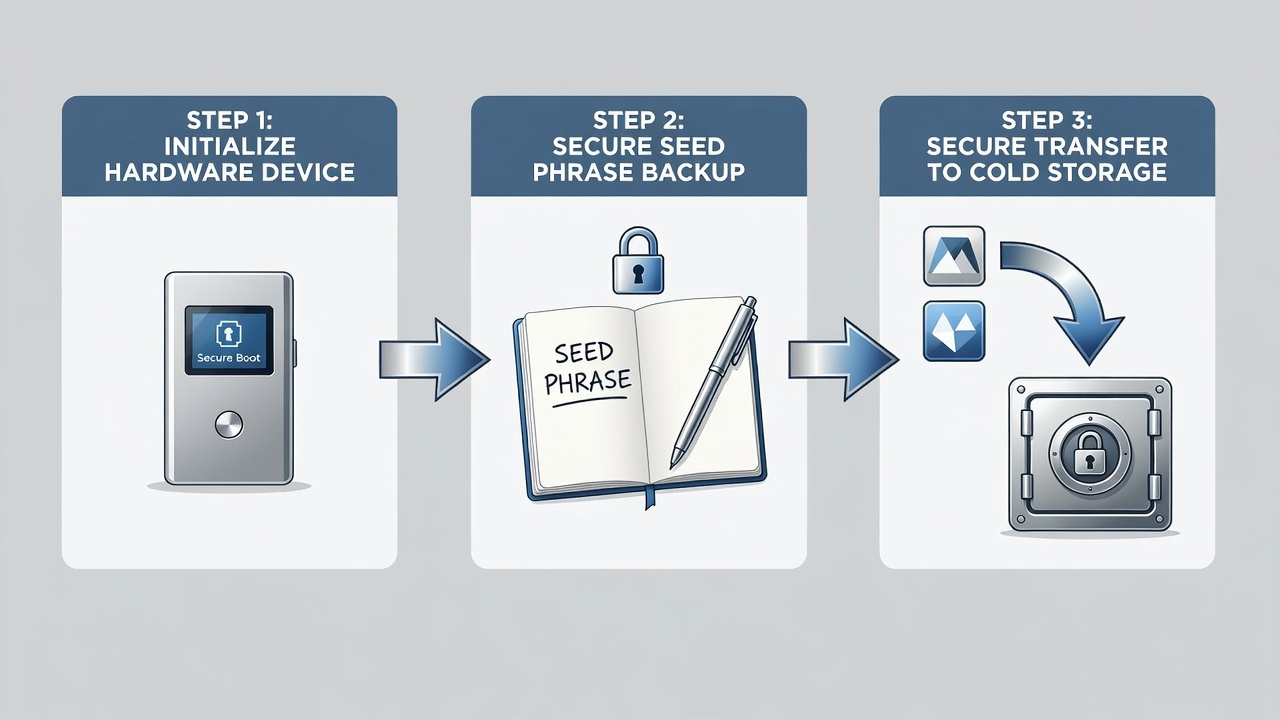
Detailed Step-by-Step Cold Wallet Setup Guide
- Research and select hardware wallets that explicitly support ERC-721 and other NFT standards while offering firmware updates for 2026 security patches.
- Initialize the device in a physically secure location free from cameras or recording devices, following manufacturer instructions to generate a fresh seed phrase.
- Record the seed phrase on durable materials such as metal plates and store copies in separate geographic locations to guard against natural disasters or theft.
- Install companion software on an air-gapped computer if possible, then connect the wallet to marketplace interfaces through secure, read-only bridges for viewing and initiating transfers.
- Verify all transactions on the device screen before approval, and maintain a log of connected applications while revoking permissions after each use.
- Schedule quarterly audits where you test recovery procedures using a small test NFT to confirm everything functions as expected.
Emerging Cloud Hybrid Solutions
Hybrid storage combines the strengths of decentralized networks with encrypted cloud layers, creating redundant systems verified on-chain. These solutions appeal to collectors who need frequent access without sacrificing protection. In practice, data is encrypted client-side before distribution across both IPFS nodes and compliant cloud providers, with blockchain timestamps ensuring integrity. Leading platforms demonstrate reduced downtime during marketplace surges while meeting regulatory standards for data sovereignty.
Risk Comparisons Across Storage Methods
Understanding trade-offs helps collectors choose wisely. Centralized servers offer convenience through simple logins but expose assets to single-point breaches and service outages. Pure IPFS provides strong decentralization yet depends on consistent pinning and can suffer from slow retrieval if nodes are sparse. Cold wallets deliver superior offline security but introduce risks around physical loss or user error during recovery. Hybrid models balance accessibility and protection yet require more complex initial configuration and ongoing management. Collectors should weigh these factors against their portfolio size and access frequency, often opting for layered approaches that mitigate individual weaknesses.
Cost Analyses and Practical Considerations
Storage decisions involve evaluating ongoing operational aspects alongside upfront investments. Decentralized options may incur variable pinning or replication fees based on file size and duration, while hardware solutions demand initial purchases plus potential replacement costs over time. Hybrid setups add layers of subscription or usage-based expenses for cloud components. Beyond direct costs, factor in time spent on maintenance, learning curves for new tools, and potential opportunity costs from reduced liquidity during transfers. Qualitative assessments, such as ease of integration with favorite marketplaces, often prove more decisive than pure financial metrics for long-term holders.
Real-World Examples from Leading Platforms
Several prominent NFT marketplaces have rolled out enhanced storage partnerships in 2026. One example involves integrations that automatically pin new acquisitions to distributed networks while offering optional cold wallet export features. Another platform showcases hybrid encryption that allows collectors to view previews without full downloads, streamlining access for active traders. These implementations highlight how proactive storage strategies can prevent losses during periods of heightened threat activity, such as targeted phishing campaigns against high-profile wallets. Collectors can draw inspiration from these cases by starting with small test portfolios before scaling protections.
Accessibility Trends and Marketplace Integrations
Beyond pure security, 2026 trends emphasize seamless accessibility. Marketplaces now provide unified dashboards that connect multiple storage backends, enabling quick switches between IPFS views and cold wallet approvals. This supports collectors who manage diverse collections spanning art, gaming items, and domain assets. Practical tips include setting up notification systems for retrieval failures and using browser extensions that abstract underlying complexities.
Common Pitfalls and Future-Proofing Tips
Many collectors fall into traps like neglecting seed phrase backups or relying on a single storage provider. To avoid these, diversify across at least two methods and document all recovery procedures. Future-proofing involves staying updated on protocol upgrades through official channels and periodically migrating assets to newer standards when marketplaces announce support changes.
FAQs on Common Pitfalls and Future-Proofing
What are the biggest storage mistakes collectors make?
Over-reliance on convenience features without verifying backups ranks high, as does failing to monitor for firmware vulnerabilities in hardware devices. Diversification across IPFS and cold storage combined with regular testing helps mitigate these issues effectively.
How can I future-proof my NFT collection?
Monitor protocol updates from core developers, implement multi-signature configurations where supported, and maintain relationships with reputable service providers. Resources like Ethereum official site offer guidance on emerging standards and best practices for long-term asset management.
Are there tax implications for storage choices?
While storage methods rarely create direct tax events, transfers or sales triggered by migrations can have consequences depending on jurisdiction. Professional advice tailored to your location remains essential for compliance.
How do I handle recovery if a cold wallet is lost?
Pre-established recovery phrases stored securely allow restoration on replacement devices. Always practice the process with low-value test items beforehand to build confidence.
What role does encryption play in hybrid solutions?
Client-side encryption ensures data remains protected even if cloud providers are compromised, adding a critical layer beyond basic decentralization.
Conclusion
Secure NFT storage in 2026 demands a thoughtful blend of technologies tailored to individual needs. By mastering IPFS enhancements, cold wallet protocols, and hybrid options while learning from platform examples, collectors can protect high-value assets against current and emerging threats. Implementing these strategies with care ensures both security and accessibility for years to come.


No comments yet. Be the first!