 CryptoChain Blog
Introduction to SocialFi in NFT Marketplaces
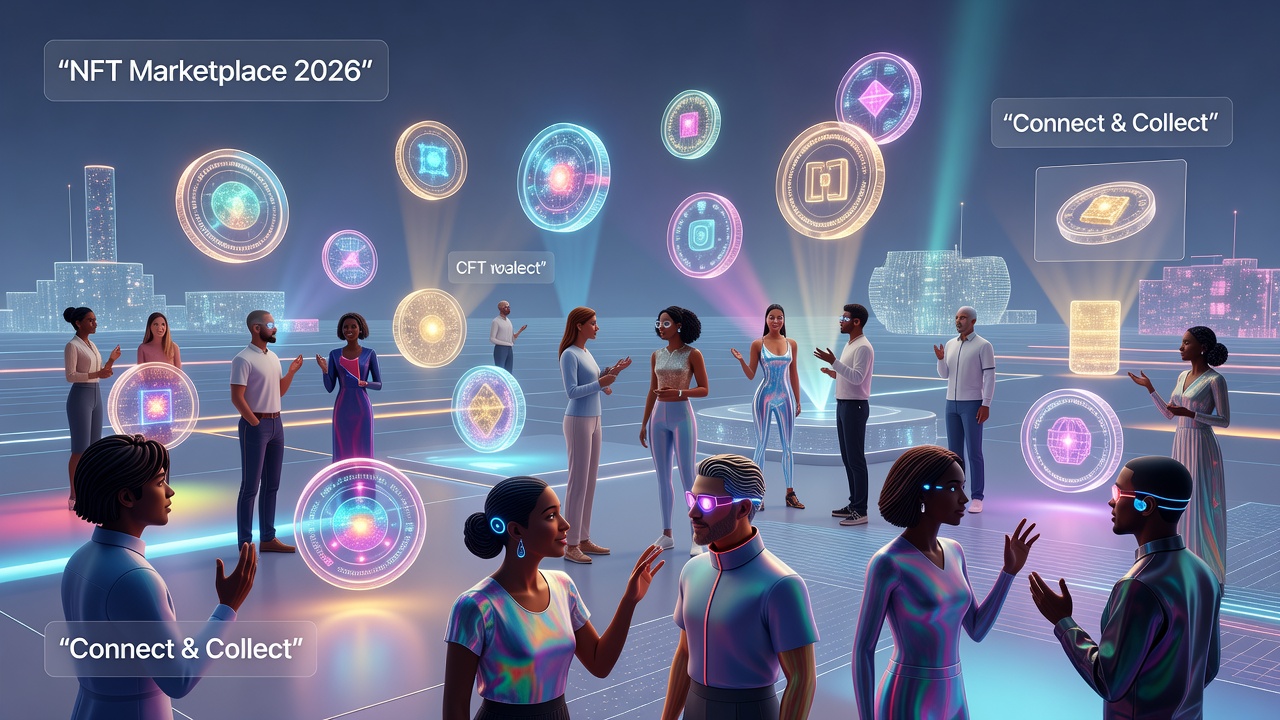
In 2026, SocialFi is redefining how users engage with NFT marketplaces by blending social networking features with decentralized finance tools. This evolution targets community-driven trading, moving beyond simple buy-and-sell mechanics to foster ongoing interactions that drive sustained marketplace activity. Users searching for fresh nft news and nft updates will find that SocialFi emphasizes participation rewards, social proof mechanisms, and integrated analytics that turn passive collectors into active community members.
Creators and collectors now benefit from tokenized social interactions that reward participation, while influencers leverage these platforms for collaborative campaigns. Real-time engagement metrics provide transparent data to optimize strategies, helping platforms stand out in a competitive landscape. The shift represents a maturation of the NFT space, where community strength often outweighs pure artistic value in determining long-term success and trading volume.
Understanding Tokenized Social Interactions
Tokenized social interactions allow users to earn tokens or NFTs for activities like commenting, sharing, and community voting. These mechanisms create a feedback loop where engagement directly influences marketplace visibility and rewards. On-chain records ensure transparency, allowing participants to build verifiable reputations that can unlock premium features or higher-tier drops.
Platforms integrate on-chain reputation systems that track user contributions, enabling creators to build loyal followings. This approach differentiates 2026 NFT updates from earlier tech-focused discussions by emphasizing practical community building. For instance, users who consistently engage with specific collections may receive governance tokens that let them influence future platform decisions or curation processes.
Additional layers include social staking, where users lock tokens to support creators and earn proportional shares of secondary sales. These features encourage deeper relationships rather than one-time transactions, leading to more stable marketplace ecosystems overall.
Influencer Collaborations Driving Marketplace Growth
Influencer partnerships have become central to SocialFi success. Creators collaborate with social media personalities to launch limited-edition NFTs tied to exclusive community events or live streams. These campaigns often incorporate gamified elements, such as challenges where followers must interact socially to unlock bonus content or discounts on future releases.
These collaborations often include revenue-sharing models where engagement metrics determine payouts. Examples from early 2026 launches show increased trading volumes on platforms that prioritize such integrations, highlighting the shift toward social-centric trading experiences. Micro-influencers with highly engaged niches frequently outperform larger accounts because their audiences demonstrate stronger conversion rates and retention.
OpenSea and similar marketplaces have adopted features that amplify these partnerships through seamless wallet integrations. The result is a more dynamic environment where social reach translates directly into on-chain activity and creator revenue.
Real-Time Engagement Metrics and Their Impact
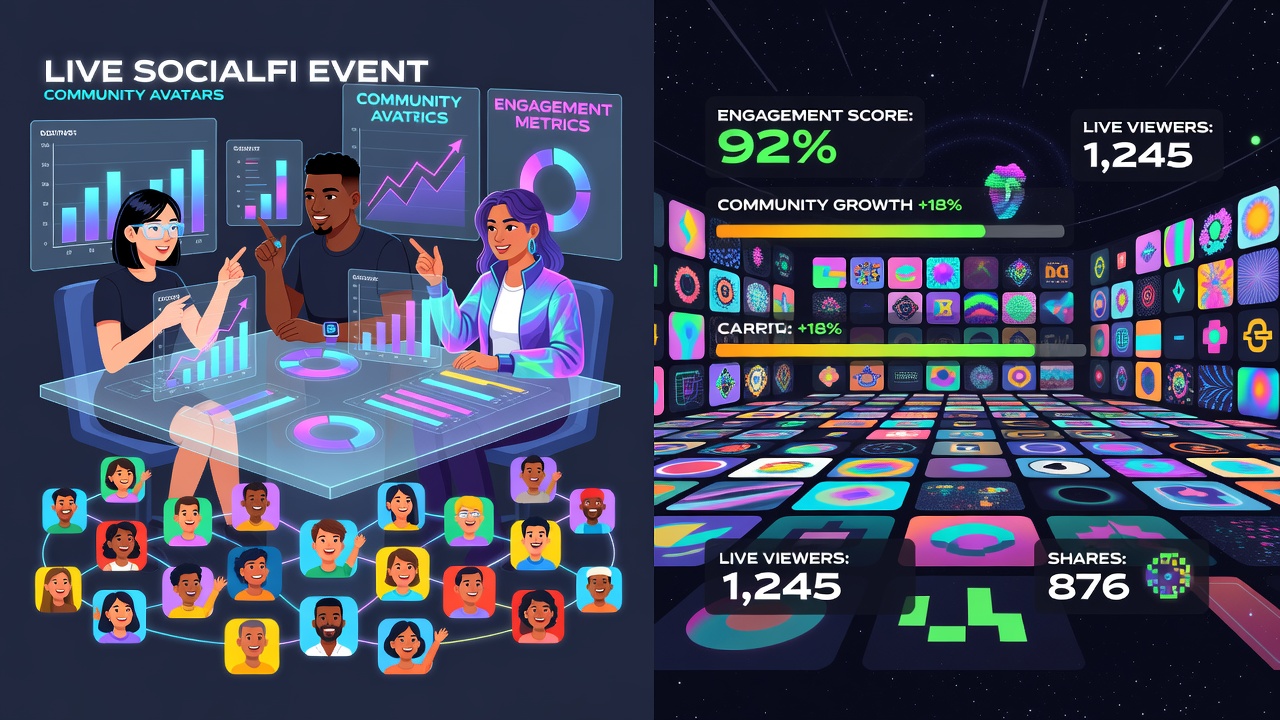
Real-time metrics such as interaction rates, community sentiment scores, and retention analytics help creators refine their approaches. These tools provide dashboards that display live data, allowing immediate adjustments to campaigns. Sentiment analysis powered by natural language processing can flag emerging trends or potential controversies before they escalate.
By monitoring these indicators, users can identify trending collections and optimize timing for drops. This data-driven method boosts overall marketplace liquidity and user retention compared to static listing models. Advanced platforms now offer predictive analytics that forecast engagement based on historical patterns, giving creators a competitive edge in planning release schedules.
Integration with external social graphs further enhances these metrics, allowing cross-platform tracking of how off-chain conversations influence on-chain purchases. This holistic view helps both creators and marketplaces allocate resources more effectively.
Comparing Leading Platforms Implementing SocialFi
Several major platforms have rolled out SocialFi features in 2026. OpenSea emphasizes community forums and tokenized voting for new listings, providing robust moderation tools that maintain healthy discussions. Blur focuses on high-speed trading combined with social leaderboards that reward top engagers with visibility boosts and fee reductions.
Other players like Foundation incorporate live social feeds directly into their marketplaces, enabling real-time feedback during drops. Comparisons reveal that platforms balancing robust social tools with low friction trading see higher daily active users. Creators should evaluate each based on audience demographics and integration ease, testing small campaigns before committing to a primary platform.
Emerging competitors are also experimenting with AI-assisted matching that connects creators with aligned communities automatically. These differences highlight the need for ongoing evaluation as features evolve rapidly throughout the year.
Practical Steps for Creators to Leverage SocialFi Tools
To capitalize on these trends, follow these actionable steps:
- Set up verified social profiles linked to your wallet for seamless cross-platform activity, ensuring consistent branding across channels to build trust.
- Launch tokenized community challenges that reward participants with exclusive NFTs, starting with simple polls before scaling to multi-week events.
- Partner with micro-influencers for targeted campaigns rather than broad reach alone, negotiating clear performance-based compensation tied to engagement goals.
- Track engagement metrics weekly and adjust content based on performance data, using A/B testing for different post formats and timings.
- Experiment with hybrid events that combine virtual meetups and on-chain minting, documenting outcomes to refine future iterations.
- Build email and notification lists early to maintain direct communication outside algorithm-dependent social platforms.
These steps help creators differentiate their presence and build sustainable revenue streams through community loyalty. Regular audits of connected tools and permissions further protect against security risks while maximizing returns.
Examples from Recent 2026 Launches
Recent launches demonstrate SocialFi effectiveness. One notable project integrated live social voting for NFT rarity tiers, resulting in rapid community growth and over 40 percent higher secondary market activity within the first month. Another featured influencer-led drops that tied social shares to staking rewards, boosting trading activity significantly across multiple collections.
A third example involved a music NFT platform that used tokenized listening parties, where attendees earned governance rights based on participation duration. These cases underscore the importance of combining social mechanics with financial incentives for maximum impact and long-term ecosystem health.
Common Mistakes to Avoid When Adopting SocialFi
Many creators overlook the importance of consistent moderation, leading to toxic communities that deter new users. Another frequent error is focusing solely on short-term metrics without planning for sustained engagement after initial hype fades. Ignoring wallet security best practices during integrations can also expose projects to exploits. Finally, failing to diversify across platforms leaves creators vulnerable to sudden policy changes or outages on a single site.
Frequently Asked Questions
How do I set up SocialFi tools on an NFT marketplace?
Begin by connecting a compatible wallet to your chosen platform, then enable social profile linking in the account settings. Follow platform-specific tutorials for token-gated communities and test small interactions before scaling.
What monetization options exist through SocialFi engagement?
Creators can earn from tokenized rewards, influencer fees, and community subscription models. Real-time metrics help optimize these revenue sources effectively while tracking performance over time.
Are there risks involved with SocialFi integrations?
Like any blockchain activity, volatility and platform dependency exist. Start small, verify smart contract audits, and diversify across multiple marketplaces to mitigate exposure.
How long does it typically take to see results from SocialFi tactics?
Most creators report noticeable engagement lifts within two to four weeks when consistent posting and community management are maintained, though results vary by niche and execution quality.
Conclusion
SocialFi tactics are transforming 2026 NFT marketplaces by prioritizing engagement and community. By implementing the strategies outlined above, creators can achieve meaningful growth and sustained activity in this evolving space. Continuous learning and adaptation remain essential as new tools and best practices emerge throughout the year.


No comments yet. Be the first!