 CryptoChain Blog
Introduction to Subscription Models in 2026 NFT Marketplaces
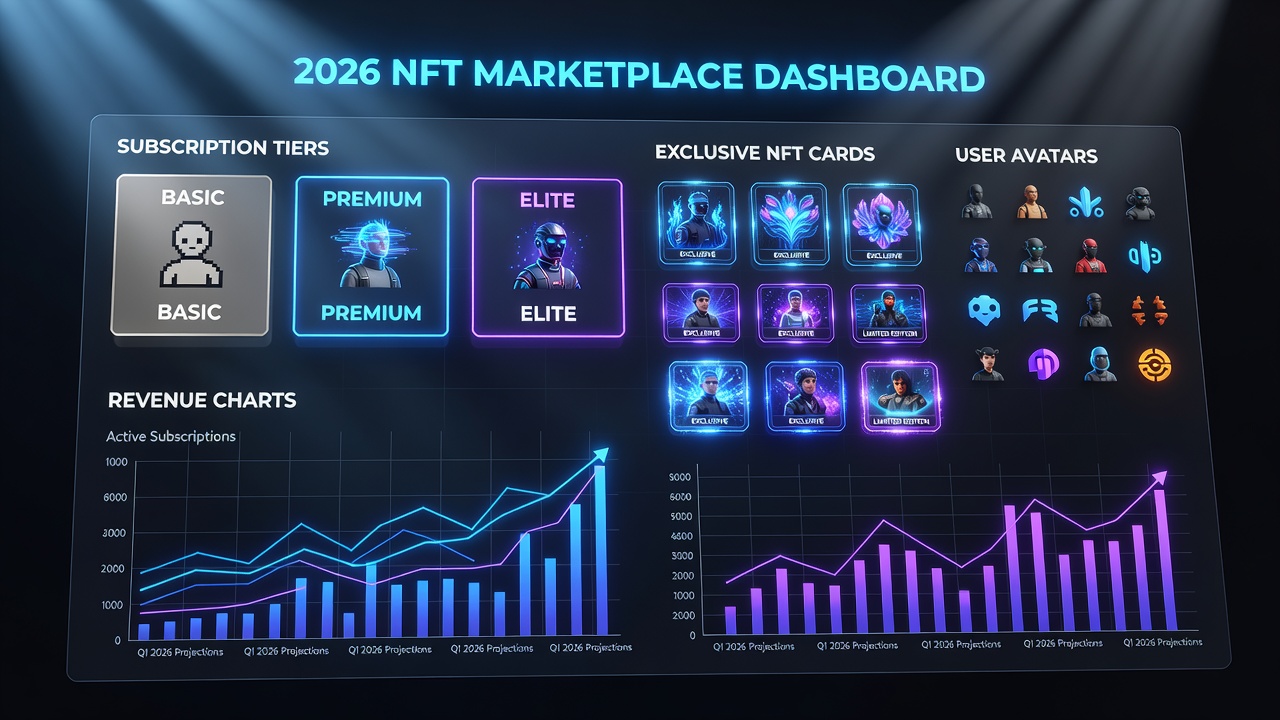
The NFT space continues evolving rapidly in 2026, moving beyond one-time purchases toward recurring access models. These subscription frameworks allow users to pay ongoing fees for exclusive content, drops, and platform features. This shift addresses collector fatigue with static ownership while providing creators with stable income streams. As the broader digital asset ecosystem matures, marketplaces are recognizing that traditional buy-and-hold approaches no longer satisfy the demand for continuous engagement and fresh opportunities.
Marketplaces are integrating these models to retain users and foster deeper engagement. Collectors gain ongoing value through curated experiences, while creators benefit from predictable revenue that supports long-term projects. The transition reflects broader trends in digital consumption seen across streaming services and software-as-a-service platforms, adapted specifically for the unique properties of non-fungible tokens.
Benefits for Collectors and Creators
Subscription models deliver tangible advantages that extend well beyond simple access. Collectors enjoy regular access to new NFTs without individual transaction fees each time. They receive priority on limited drops and community perks that enhance ownership experiences, such as private virtual events or early previews of upcoming collections. This ongoing relationship transforms passive holders into active participants who feel more connected to the creators they support.
Creators secure recurring revenue, reducing reliance on volatile secondary sales. This stability encourages higher-quality work and consistent output. Exclusive drops tied to subscriptions also build loyal fanbases and increase perceived value of their collections. Over time, creators can analyze subscriber behavior to refine their artistic direction and release schedules based on real engagement data rather than one-off sales spikes.
Real-World Examples from Major Platforms
Leading marketplaces have adopted subscription features with varying degrees of sophistication. OpenSea introduced tiered memberships granting access to premium drops and analytics tools that help users track market trends across multiple collections. Rarible offers creator-focused subscriptions that bundle minting credits with promotional support, enabling artists to reach wider audiences without additional marketing expenses.
Other platforms integrate similar systems, emphasizing cross-platform compatibility. These examples illustrate how subscriptions blend traditional marketplace functions with modern recurring elements. Users on these platforms report higher retention rates because the model provides continuous value rather than isolated transactions. The approach also allows smaller creators to compete more effectively by offering niche subscription perks that larger marketplaces may overlook.
Tiered Pricing Strategies
Platforms structure subscriptions across multiple tiers to appeal to different user segments. Basic levels provide standard access, while premium tiers unlock advanced features like custom avatars or early minting rights. This approach maximizes accessibility without alienating budget-conscious participants. Strategic tier design often includes add-on options for specialized categories such as gaming NFTs or digital art, allowing users to customize their experience further.
Successful tiered strategies typically balance breadth and depth. Entry-level plans focus on discovery and community access, whereas higher tiers emphasize exclusivity and tools for serious collectors or professional creators. Marketplaces refine these structures based on user feedback and usage analytics, ensuring that each tier delivers distinct value that justifies the commitment.
Integration with Cross-Platform NFTs
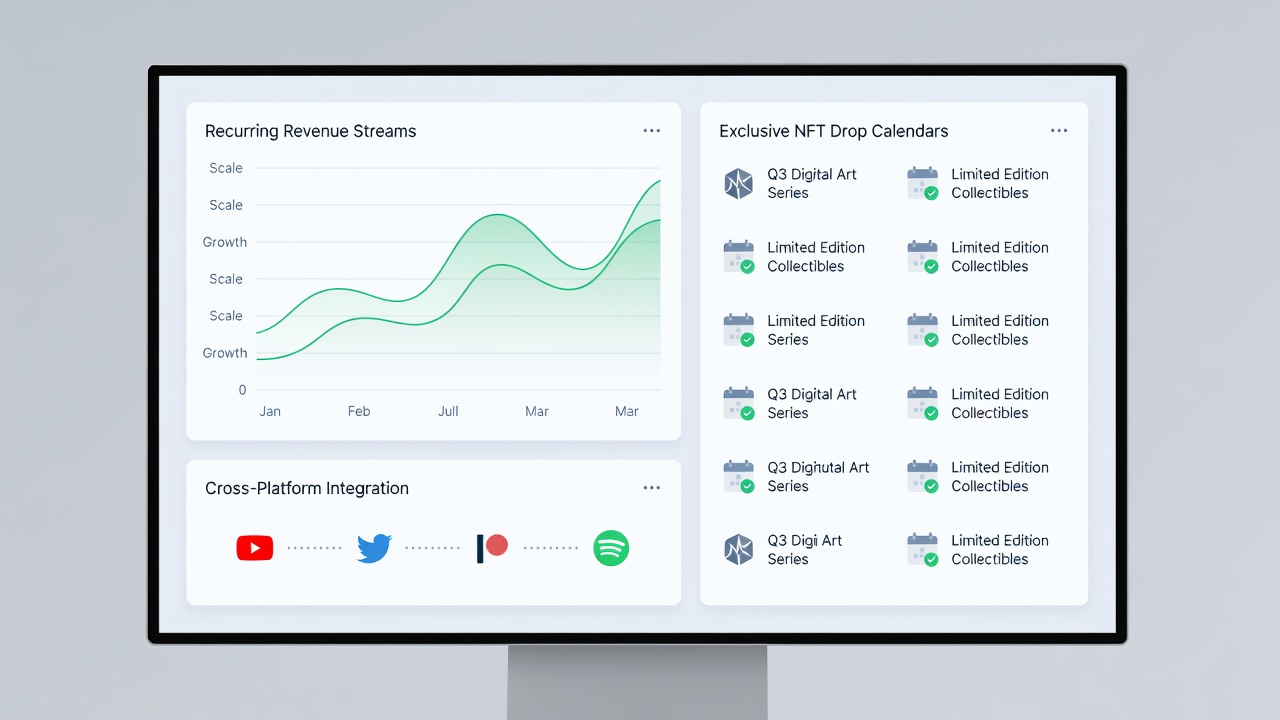
Modern subscriptions support seamless movement of NFTs across ecosystems. Users can subscribe on one platform and access assets usable in games, metaverses, or other marketplaces. This interoperability relies on standards that preserve metadata and ownership history during transfers. As blockchain technology advances, these connections become more reliable, reducing friction for collectors who want to use their assets in multiple environments without repeated onboarding processes.
Cross-platform features also benefit creators by expanding the potential audience for their work. A subscription purchased on a primary marketplace may grant rights to use tokens in partner applications, increasing overall utility and long-term appeal. Developers are increasingly collaborating to ensure compatibility, which strengthens the entire NFT infrastructure.
Comparisons to Traditional Ownership Models
Traditional NFT ownership involves outright purchases with full transferability. Subscriptions shift focus to access rights, which may limit resale potential but reduce upfront costs. Collectors weigh immediate ownership against ongoing benefits like fresh content and reduced management overhead. In many cases, hybrid approaches emerge where users combine outright purchases for flagship pieces with subscriptions for regular discovery and community involvement.
The choice between models often depends on individual goals. Investors seeking long-term asset appreciation may prefer traditional ownership, while enthusiasts focused on experiences and new releases lean toward subscriptions. Both approaches coexist in the current market, giving participants flexibility to match their strategy with personal objectives.
Potential Drawbacks Like Platform Lock-In
While beneficial, subscriptions introduce risks that users should evaluate carefully. Users may face lock-in if assets become tied to a single ecosystem. Cancellation policies vary, and some platforms retain partial access even after subscriptions end. Evaluating terms carefully helps mitigate these concerns and ensures that subscribers understand what happens to their benefits when plans change.
Additional considerations include data portability and the long-term viability of the platform itself. Choosing established marketplaces with transparent governance reduces exposure to sudden policy shifts or service disruptions. Diversifying across multiple subscription services can also provide a safety net if one platform alters its offerings unexpectedly.
Practical Steps for Users to Subscribe and Optimize Benefits
- Research platforms offering subscriptions aligned with your interests, focusing on supported NFT standards and reputation within the community. Review user forums and recent updates to confirm ongoing development activity.
- Compare tier benefits against your usage patterns to select the most cost-effective option. Consider factors such as drop frequency, community size, and additional tools included at each level.
- Link compatible wallets and enable notifications for upcoming exclusive drops. Test wallet connectivity on a small scale before committing to higher tiers to avoid technical issues later.
- Engage actively in subscriber communities to maximize networking and early access opportunities. Participate in discussions and events to build relationships that may lead to collaborative projects or private sales.
- Monitor renewal dates and adjust tiers as your collection goals evolve. Set calendar reminders and review usage reports provided by the platform to make informed decisions about upgrades or downgrades.
- Track performance metrics such as engagement rates and asset utilization to determine whether the subscription continues delivering sufficient value over time.
Mistakes to Avoid When Subscribing
- Overcommitting to multiple platforms simultaneously without assessing overlap in benefits, which can lead to redundant spending.
- Ignoring fine print regarding asset portability or cancellation windows that may affect access after the subscription ends.
- Failing to verify wallet compatibility and security settings before linking accounts to subscription services.
FAQ
What are typical costs associated with NFT subscriptions?
Costs vary by platform and tier, often structured qualitatively around access levels rather than fixed public rates. Always review current details directly on the marketplace.
Can I cancel a subscription at any time?
Most platforms allow cancellations with prorated access until the billing cycle ends. Check individual policies for specifics on refunds or retained perks.
How do subscriptions affect NFT ownership rights?
Ownership remains intact for purchased items, but subscription benefits like exclusive drops are access-based and may expire with the plan.
Are cross-platform features included in all subscriptions?
Interoperability depends on the specific tier and platform partnerships. Premium options frequently emphasize broader compatibility.
What happens to my NFTs if I cancel a subscription?
Any NFTs purchased outright remain in your wallet regardless of subscription status. Access-based perks tied to the active plan will cease at the end of the billing period.
How can creators maximize revenue from subscription models?
Creators should focus on consistent delivery of exclusive content, active community engagement, and clear communication about upcoming drops to maintain subscriber interest and reduce churn.
Conclusion
Subscription models represent a forward-looking innovation in NFT marketplaces for 2026. By balancing recurring value for users with stable earnings for creators, they reshape how digital collectibles are experienced and monetized. Staying informed about these developments helps participants navigate the space effectively and make decisions that align with both short-term enjoyment and long-term collection strategies.
No comments yet. Be the first!