 CryptoChain Blog
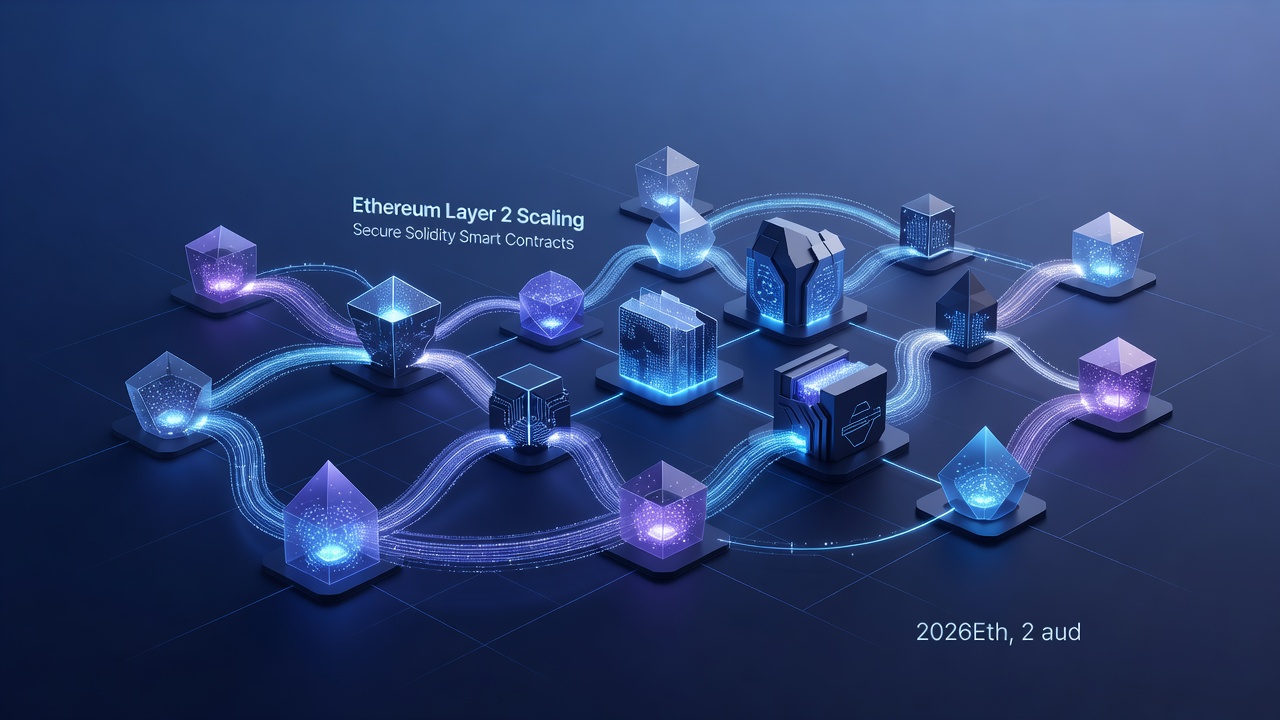
Introduction to Layer 2 Scaling in 2026
Ethereum remains the leading platform for decentralized applications, but mainnet congestion and high fees continue to challenge developers building secure Solidity smart contracts. Layer 2 solutions have matured significantly by 2026, offering scalable environments while maintaining robust security guarantees. This guide focuses on practical strategies for scaling Solidity contracts to Optimism and Arbitrum, emphasizing security models, deployment workflows, and real-world considerations. As adoption grows, developers need actionable tutorials that go beyond theory to cover implementation details, optimization techniques, and risk mitigation strategies specific to L2 environments.
Developers must understand the trade-offs between optimistic and zero-knowledge rollups to preserve contract integrity across layers. With 2026 tooling advancements, including enhanced Foundry integrations and improved bridge protocols, teams can deploy production-grade contracts efficiently. The shift to L2 not only reduces costs but also enables new use cases in DeFi, gaming, and NFTs that were previously impractical on mainnet due to latency and expense.
Comparing Optimism and Arbitrum Security Models
Optimism employs an optimistic rollup architecture that assumes transactions are valid by default and relies on fraud proofs for dispute resolution. Its security model inherits Ethereum's data availability while introducing a challenge period typically lasting seven days. Arbitrum, also an optimistic rollup, uses a multi-round fraud proof system that reduces on-chain computation requirements during disputes. Both solutions post transaction data to Ethereum mainnet, ensuring that users can always exit to L1 if needed, but the mechanisms for handling invalid states differ substantially.
Key trade-offs include withdrawal finality times and sequencer centralization risks. Optimism offers faster iteration cycles through its OP Stack, while Arbitrum provides stronger tooling for custom chain deployments. Both integrate with Ethereum's security but require careful handling of cross-layer messaging to avoid vulnerabilities. In practice, Optimism prioritizes EVM equivalence for easier porting of existing contracts, whereas Arbitrum's Nitro stack emphasizes performance through WASM compilation. Developers should evaluate these models against their specific application needs, such as high-frequency trading versus long-term asset custody.
- Optimism: Strong emphasis on EVM equivalence, simpler upgrade paths, and broad ecosystem support
- Arbitrum: Advanced dispute resolution, Nitro tech stack for efficiency, and robust custom chain options
- Shared risks: Bridge exploits remain the primary attack vector in 2026, requiring rigorous testing of message passing logic
- Additional considerations: Both benefit from Ethereum's security but introduce new vectors around sequencer liveness and data availability assumptions
Step-by-Step Deployment with Foundry
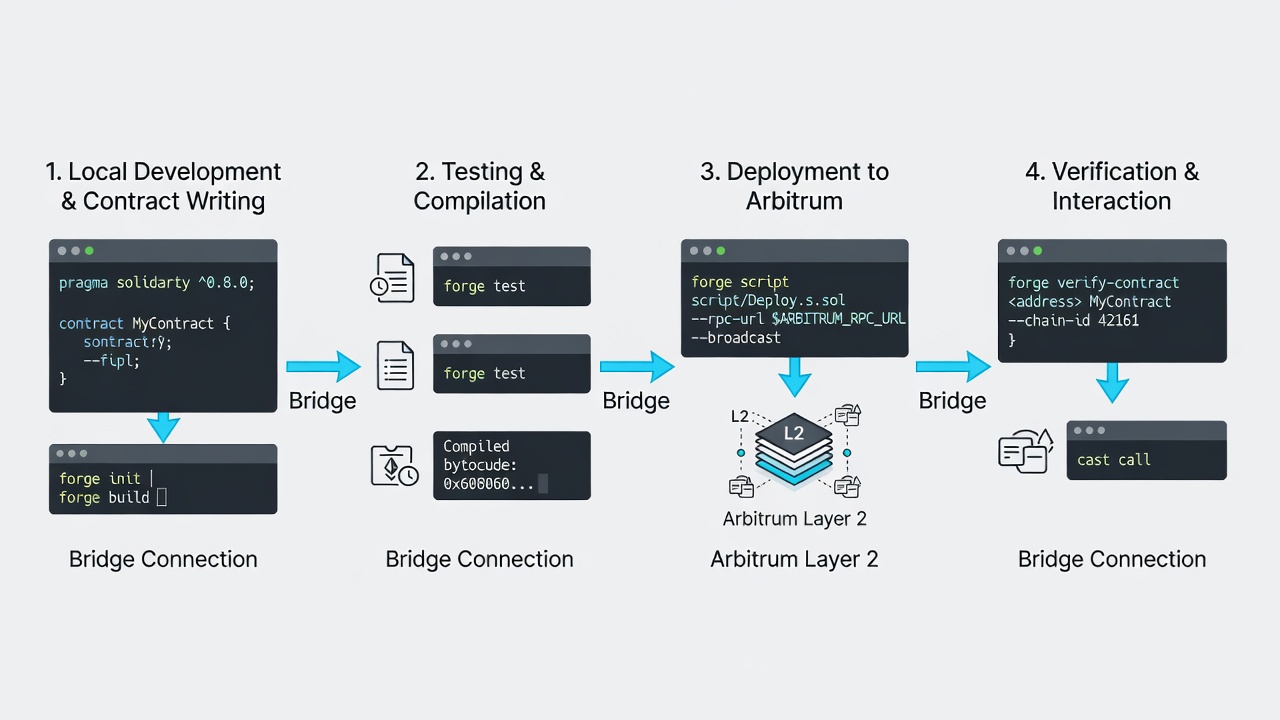
Foundry provides the fastest path for compiling and deploying Solidity contracts to L2 networks in 2026. Begin by initializing a project and configuring RPC endpoints for Optimism or Arbitrum. The process involves setting up dependencies, writing deployment scripts, and verifying contracts on block explorers.
forge init my-l2-project
cd my-l2-project
forge install foundry-rs/forge-std
forge install OpenZeppelin/openzeppelin-contracts
Update foundry.toml with L2-specific settings for seamless integration:
[rpc_endpoints]
optimism = "https://mainnet.optimism.io"
arbitrum = "https://arb1.arbitrum.io/rpc"
[etherscan]
optimism = { key = "YOUR_API_KEY", url = "https://api-optimistic.etherscan.io/api" }
Deploy using cast with proper verification flags. Always simulate transactions first with forge script to catch issues early. For a complete workflow, create a deployment script that handles both networks, includes constructor arguments, and logs gas usage for optimization review. Test on Sepolia-based L2 testnets before mainnet to validate cross-layer interactions.
Gas Optimization Tactics for L2 Environments
L2 gas mechanics differ from mainnet. Focus on calldata efficiency and storage slot packing. Use assembly for tight loops and prefer events over storage writes where possible. Tools like the 2026 version of the Solidity optimizer with L2 presets can reduce costs substantially. Developers should analyze transaction traces to identify expensive operations such as SSTORE and SLOAD, then refactor to minimize them through immutable variables and mapping optimizations.
Avoid unnecessary external calls across the bridge. Batch operations using multicall patterns to minimize sequencer fees. Additional tactics include using cheaper data types like uint128 instead of uint256 where precision allows, implementing lazy loading for large data structures, and leveraging L2-specific precompiles for cryptographic operations. Real deployments show that these changes can yield 30-50% reductions in effective costs compared to unoptimized code.
Common Pitfalls: Bridge Vulnerabilities and Mitigations
Bridge contracts remain high-value targets. Developers frequently overlook reentrancy risks during message passing and insufficient access controls on withdrawal queues. Always implement rate limits and multi-signature requirements for administrative functions. Additional pitfalls include failing to validate message sender addresses properly and not accounting for L2-specific reorg risks during finality windows.
Real-world case studies from 2025 incidents highlight the importance of formal verification before mainnet L2 launches. Teams should conduct multiple audit rounds focusing on the entire stack, including sequencer behavior and emergency pause mechanisms. Mitigation strategies involve using battle-tested libraries for cross-domain calls and maintaining comprehensive monitoring dashboards for anomalous bridge activity.
Practical Code Snippets for Cross-Layer Interactions
Here is a minimal example of sending messages from L2 to L1 using Arbitrum's messaging system:
import "@arbitrum/nitro-contracts/src/bridge/IOutbox.sol";

function withdrawToL1(address recipient, uint256 amount) external {
    // Cross-layer call logic with validation
    require(msg.sender == authorizedCaller, "Unauthorized");
    IOutbox(outbox).executeTransaction(...);
}
Similar patterns apply to Optimism using its cross-domain messenger contracts. Test thoroughly on testnets before production. Extend these snippets with error handling, event emissions for off-chain tracking, and fallback logic for failed messages to ensure robust cross-layer functionality in production environments.
2026 Tooling and Real-World Case Studies
Leading projects like Uniswap and Aave have successfully scaled to multiple L2s, demonstrating measurable improvements in user experience. Integrate with updated developer platforms such as Tenderly for simulation and Foundry documentation for scripting. Additional tools include L2-specific explorers and formal verification frameworks that have seen major updates in 2026.
Case studies reveal that projects adopting modular deployment scripts across Optimism and Arbitrum achieved faster time-to-market while maintaining high security standards. These successes underscore the value of starting with comprehensive testing suites that cover both happy paths and edge cases involving bridge delays.
Security Best Practices and Auditing for L2
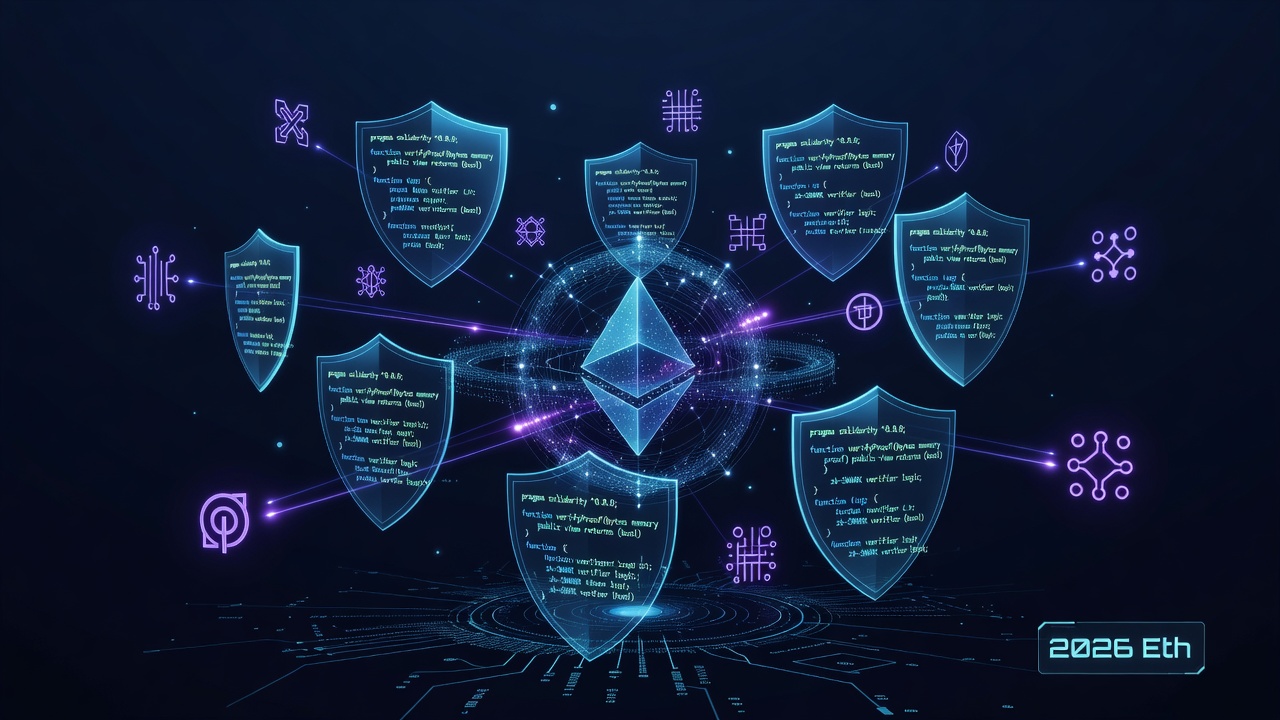
Beyond deployment, ongoing security requires implementing circuit breakers, upgradeable proxy patterns with timelocks, and regular penetration testing focused on L2-specific attack surfaces. Auditing should cover not only the contract code but also the configuration of oracles, sequencers, and any off-chain components interacting with the bridge.
FAQ: Audit Considerations for L2 Deployments
Q: How do L2 audits differ from mainnet audits?
A: Auditors must review fraud proof windows, sequencer assumptions, and bridge contracts in addition to standard Solidity security checks. Emphasis is placed on message integrity and withdrawal safety.
Q: Which L2 is safest for high-value contracts?
A: Both Optimism and Arbitrum inherit Ethereum security, but choose based on specific risk tolerance and finality requirements. Consult Ethereum.org resources for the latest specifications.
Q: What tools are recommended for 2026 L2 testing?
A: Combine Foundry with network-specific explorers and formal verification suites. Include Solidity documentation references during code reviews.
Q: How should teams handle bridge upgrades post-deployment?
A: Use governance-controlled upgrade paths with extended timelocks and community notification periods to minimize disruption risks.
Conclusion
Scaling Solidity contracts securely to Layer 2 requires deliberate attention to architecture choices, deployment rigor, and ongoing monitoring. By following the practices outlined above and leveraging mature 2026 tooling, developers can achieve substantial performance gains without compromising security. Start with test deployments on Optimism or Arbitrum today and iterate based on real usage metrics. The combination of detailed comparisons, practical code, and security checklists ensures teams are well-equipped for successful L2 migrations.
No comments yet. Be the first!