 CryptoChain Blog
Introduction to Governance Tokenomics in 2026
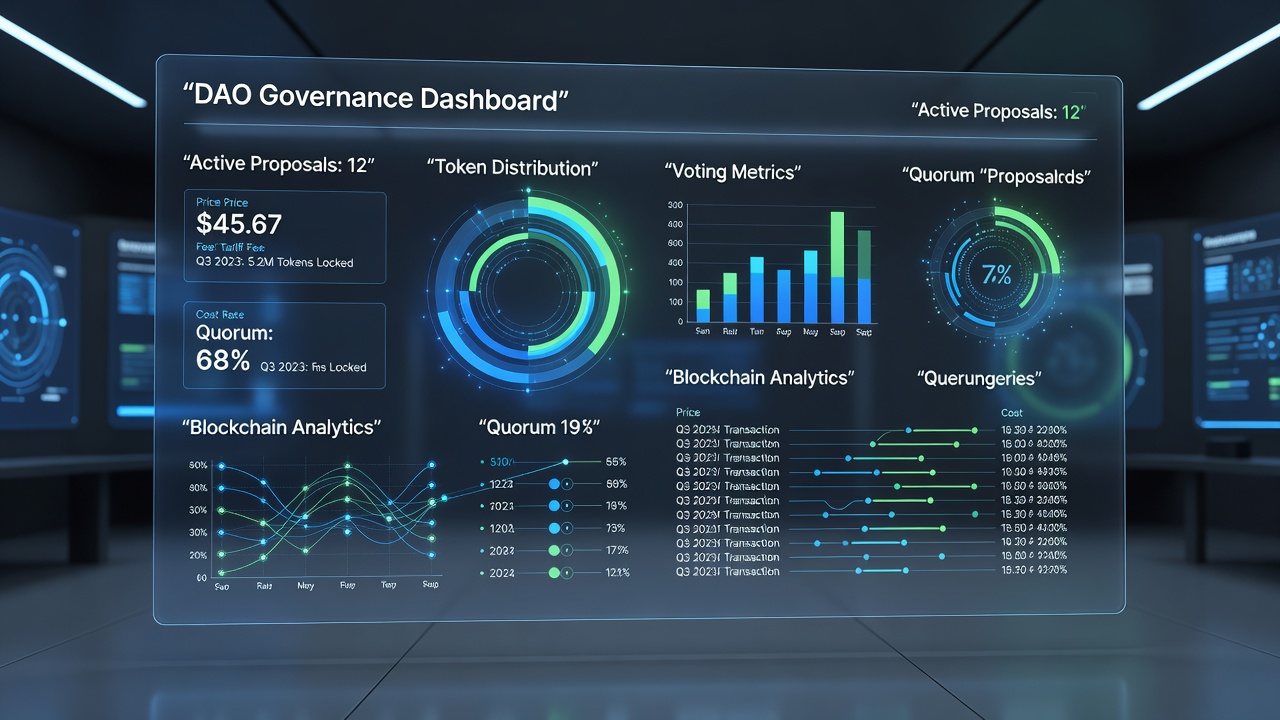
Decentralized Autonomous Organizations (DAOs) rely on governance tokens to align incentives and enable collective decision-making. In 2026, onchain analytics have become essential for assessing whether these models support long-term sustainability. This case study examines key metrics such as voting power distribution, proposal success rates, and treasury management flows using blockchain data from major DAOs. Stakeholders can now leverage transparent ledger information to forecast viability and adjust parameters proactively. By tracking participation metrics across platforms like Uniswap and MakerDAO, communities gain visibility into whether token designs foster genuine decentralization or inadvertently concentrate control. Effective governance tokenomics balance decentralization with operational efficiency, preventing issues like voter apathy or whale dominance that have historically undermined projects.
Advanced onchain tools provide granular views of token movements and voting behaviors that off-chain surveys cannot match. Analysts examine delegation patterns, proposal outcomes, and capital allocation flows to build predictive models. These insights help DAOs refine incentive structures before systemic risks materialize. The following sections break down core evaluation techniques with concrete examples drawn from leading protocols, offering actionable frameworks for developers, token holders, and governance contributors alike.
Analyzing Voting Power Distribution
Voting power distribution reveals how concentrated influence is within a DAO. Onchain tools allow analysts to query token holdings and delegation patterns directly from the blockchain. For example, examining the top 10 holders in a token-weighted system often shows whether a small group controls over 50% of votes. This concentration can lead to proposals that prioritize short-term gains over ecosystem health, creating imbalances that erode trust over time.
Step-by-step analysis begins with pulling historical snapshots of token balances using indexing services. Next, calculate Gini coefficients to quantify inequality across the holder base. High concentration signals risks of capture, where large holders steer proposals toward personal gain. Analysts then map delegation chains to identify whether power flows through a few key addresses or spreads more evenly. Regular monitoring reveals trends such as increasing centralization after large token unlocks or mergers. In practice, teams at protocols like those on Ethereum have used these methods to redistribute voting rights through targeted airdrops or delegation incentives, improving overall resilience.
Comparing Token-Weighted and Quadratic Voting Systems
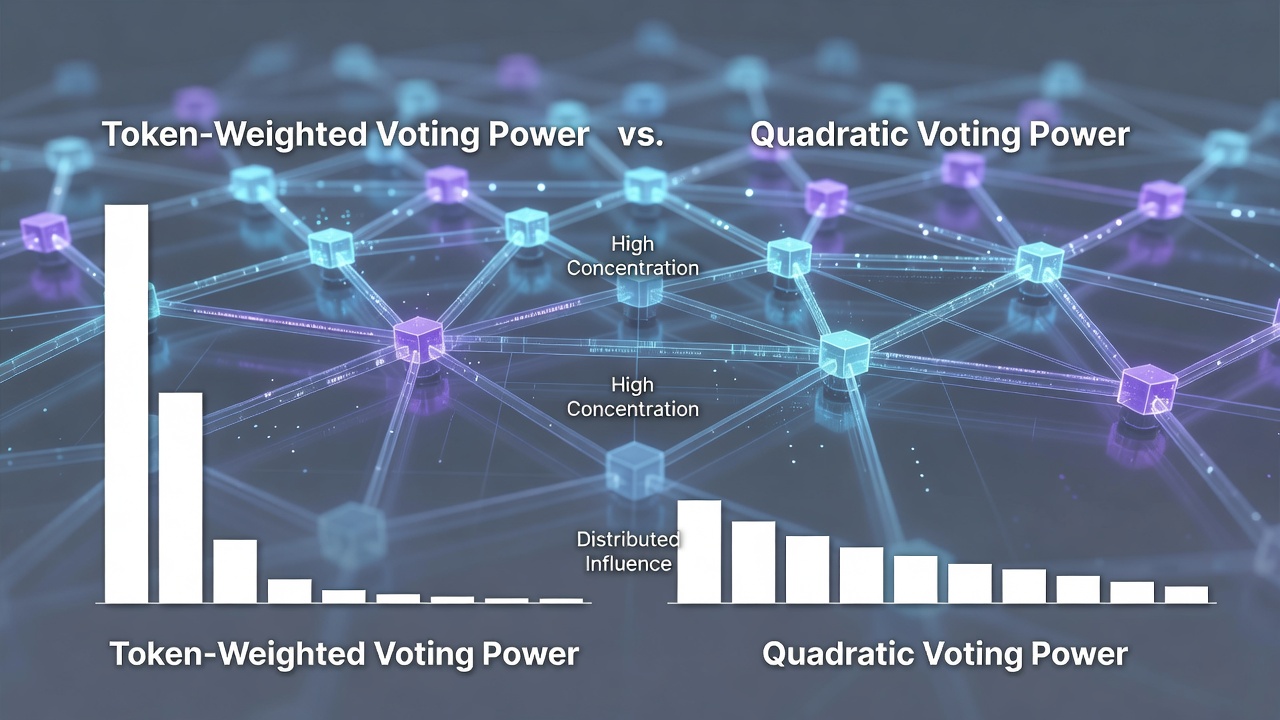
Token-weighted voting grants influence proportional to holdings, which can favor early investors but risks centralization. Quadratic voting, in contrast, makes additional votes increasingly expensive, promoting broader participation. Major DAOs have experimented with both to optimize outcomes and sustain engagement over multiple governance cycles. Token-weighted models excel in scenarios requiring swift decisions on technical upgrades, yet they frequently suffer from skewed outcomes when a handful of entities dominate the vote tally.
Comparisons show quadratic systems often yield higher proposal diversity but require more complex smart contract implementations. Practical analysis involves simulating vote outcomes on historical data to predict impacts on sustainability. Token-weighted models tend to produce faster decisions yet suffer from low turnout when smaller holders feel their votes carry negligible weight. Quadratic approaches mitigate this by diminishing marginal returns on large stakes, encouraging wider turnout. Real-world implementations demonstrate that hybrid models combining elements of both can further reduce centralization risks while maintaining decision quality. For instance, integrating quadratic elements into existing frameworks has helped DAOs achieve more equitable representation without sacrificing efficiency.
Evaluating Proposal Success Rates and Participation
Proposal success rates provide direct insight into governance health. Track metrics like quorum thresholds met and approval percentages over time. Low participation below 10% often correlates with declining token utility and eventual treasury stagnation. Successful DAOs maintain participation above 25% by aligning voting rewards with long-term holding periods and transparent communication channels.
- Collect onchain vote data from multiple quarters using public indexers.
- Segment results by voter cohort size and delegation activity levels.
- Correlate success rates with treasury allocation outcomes to identify value-creating proposals.
- Flag repeated low-engagement periods and trigger community discussions on incentive redesign.
- Compare participation across different proposal types to prioritize high-impact topics that drive engagement.
Advanced techniques include building dashboards that flag declining trends early, allowing communities to adjust incentives before sustainability suffers. Cross-referencing these metrics with external market conditions provides additional context for interpreting participation dips. In one documented case, a major DAO increased turnout by 15% after introducing gas rebates for voters, demonstrating the power of targeted onchain interventions.
Treasury Management Flows and Risk Identification
Treasury flows track how funds move in response to approved proposals. Onchain monitoring highlights patterns such as repeated grants to the same entities or sudden liquidity drains that could threaten operational runway. Identifying centralization risks involves mapping wallet clusters and delegation chains across multiple chains where the DAO operates. This visibility enables early detection of potential exploits or misallocations that could jeopardize long-term viability.
Practical tips include setting automated alerts for large outflows exceeding predefined thresholds and reviewing multisig signers on a quarterly basis. This data-driven approach helps DAOs maintain resilience amid evolving market conditions. Comparing flows against proposal intent reveals whether allocated resources achieve stated goals or simply recirculate among insiders. Teams should also integrate cross-chain analytics to capture the full picture of treasury movements, especially as DAOs expand to layer-2 networks for cost efficiency.
Practical Tips for Optimizing Governance Incentives
To enhance long-term viability, implement mechanisms like time-locked voting or reputation-weighted adjustments. Regularly audit token distribution and test quadratic parameters through community simulations. These steps reduce apathy while preserving decentralization. Additional recommendations involve introducing vesting schedules for new token emissions and creating sub-DAOs for specialized decisions that increase overall engagement without diluting core governance power. Monitoring tools from platforms like Ethereum and MakerDAO can streamline these audits, while resources at Uniswap offer templates for incentive redesign.
Conclusion
Onchain analytics offer powerful lenses for evaluating governance tokenomics. By focusing on distribution, voting mechanics, participation, and treasury dynamics, DAOs can proactively address sustainability challenges in 2026 and beyond. Continuous monitoring combined with iterative design improvements remains the most reliable path to resilient decentralized governance. Communities that invest in these analytical capabilities position themselves for enduring success in an increasingly competitive landscape.
FAQ
How can onchain data detect centralization risks early?
By monitoring concentration metrics and delegation patterns in real time, teams can intervene before influence consolidates across a small set of addresses.
What advantages does quadratic voting offer over token-weighted models?
It reduces the impact of large holders, encouraging wider participation and more balanced decisions that reflect broader community sentiment.
Which DAOs provide the best examples for 2026 analysis?
Leading examples include established protocols with transparent onchain records available for public scrutiny through platforms like Ethereum and MakerDAO.
How often should governance metrics be reviewed?
Monthly reviews of key indicators combined with quarterly deep audits provide sufficient frequency for most DAOs to stay ahead of emerging risks.
What role do sub-DAOs play in improving overall governance?
Sub-DAOs allow specialized decision-making that boosts engagement while keeping core governance focused and efficient.


No comments yet. Be the first!