 CryptoChain Blog
Introduction to Intent-Centric Tokenomics
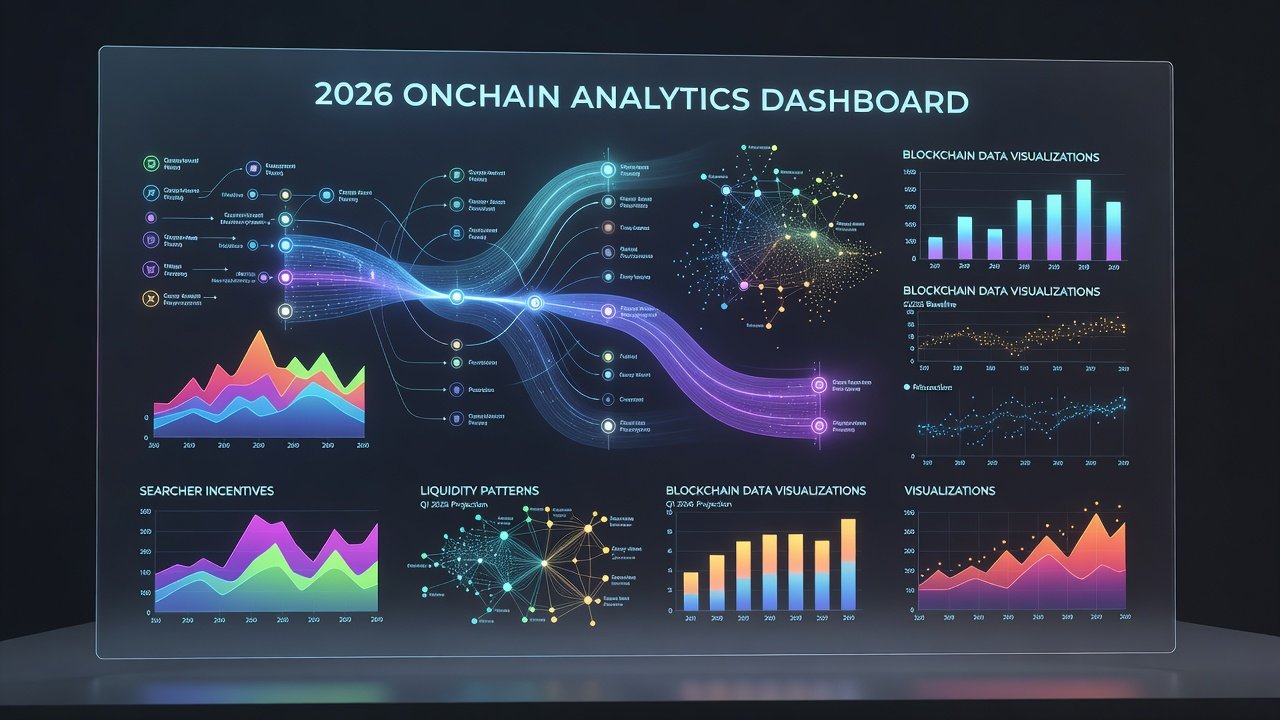
In 2026, intent-centric architectures are fundamentally altering how blockchain protocols design and sustain their token economies. Unlike traditional transaction-based models where users broadcast raw transactions, intent systems allow participants to express desired outcomes in structured messages. Searchers and solvers then compete to fulfill these intents in the most efficient manner possible. This architectural shift introduces fresh dynamics around token velocity, value sinks, and incentive alignment that require sophisticated onchain analytics to fully understand and optimize.
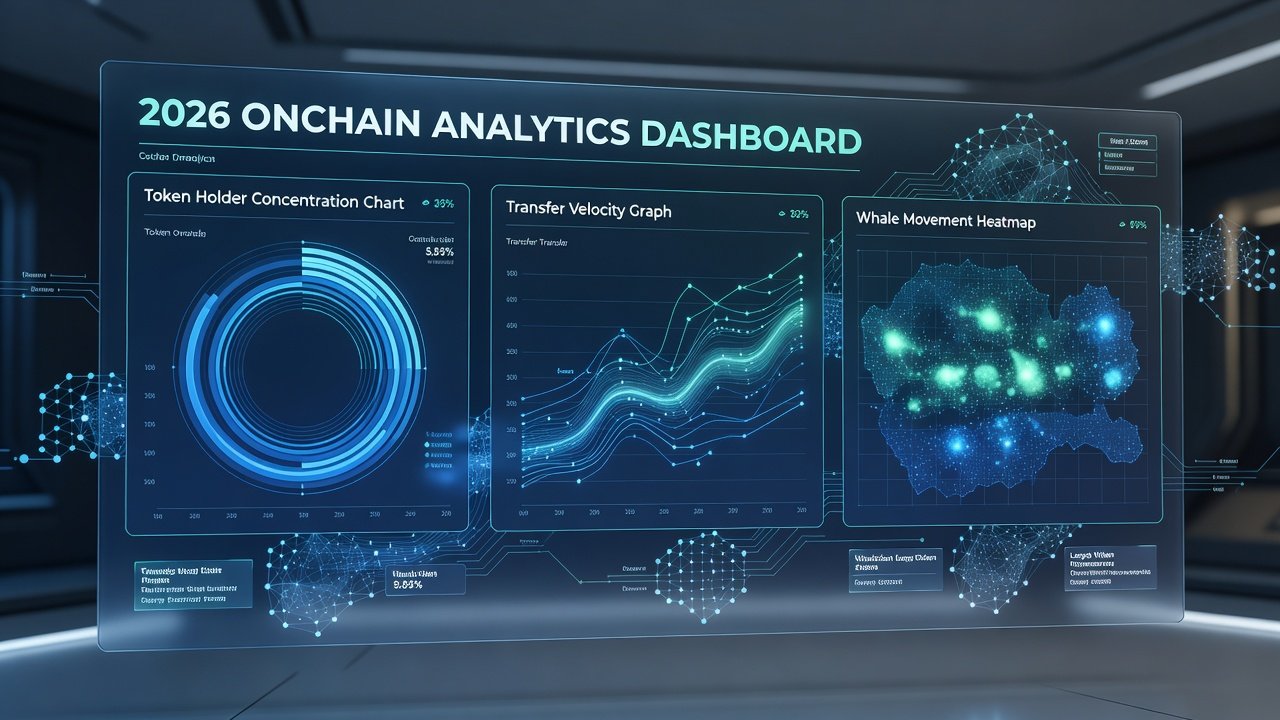
Analysts and protocol teams increasingly rely on blockchain data platforms to dissect these new economic layers. By tracking fulfillment rates, liquidity routing patterns, and fee distributions, stakeholders can assess whether native tokens are accruing sustainable value or merely serving as temporary incentives. This comprehensive guide provides in-depth explanations, concrete querying examples, and decision frameworks to help readers audit intent-driven tokenomics with precision.
Understanding Intent-Based Architectures
Intent-centric designs decouple user goals from on-chain execution details. A user signs an intent message specifying outcomes such as asset swaps at a target price or cross-chain transfers within slippage limits. Off-chain or hybrid agents then handle discovery, optimization, and settlement. This model reduces cognitive load for end users while layering new economic participants into the system, including searchers who identify profitable intents and solvers who execute them competitively.
The resulting tokenomics differ markedly from earlier DeFi paradigms. Native tokens may function as staking collateral for solvers, rewards for successful fulfillment, or vehicles for fee redistribution. Understanding these flows demands granular data analysis that reveals how tokens move through intent marketplaces and settlement layers.
Searcher and Solver Incentive Structures
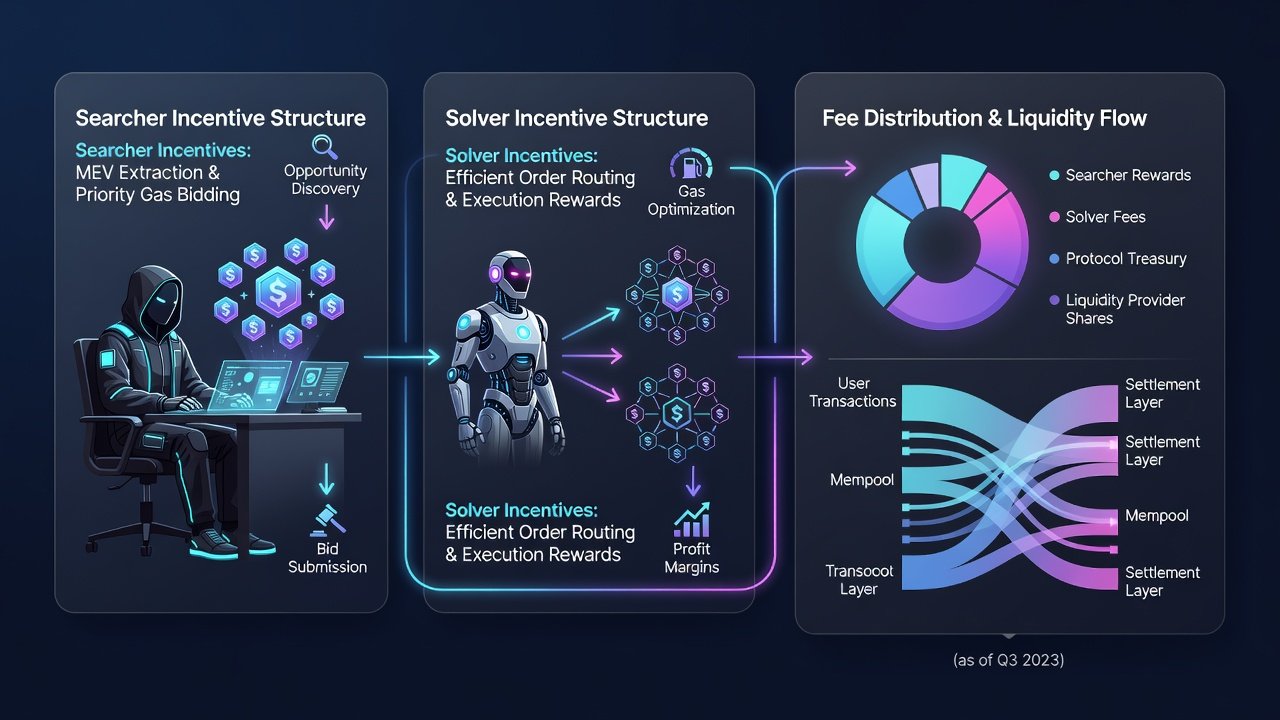
Searchers continuously monitor intent marketplaces and mempools for opportunities that can be profitably routed to solvers. Solvers, in turn, bid for execution rights by offering competitive pricing or faster settlement. Common incentive mechanisms include direct priority fees paid by users, protocol-funded rebates, and emissions of governance tokens to active participants. In many 2026 implementations, a share of solver revenue flows back to token stakers through automated buybacks or dividend-style distributions.
Effective analysis requires monitoring participation metrics such as the number of unique searchers per day, solver win-rate distributions, and average return on capital for top performers. Over-concentration among a handful of solvers can indicate barriers to entry that weaken long-term token demand and decentralization.
Liquidity Flow Patterns and Fee Distribution
Intent fulfillment often triggers complex liquidity movements across chains and protocols. Solvers may bridge assets, aggregate orders from multiple sources, or route through various liquidity pools to achieve optimal execution. Onchain analytics illuminate recurring patterns, such as heavy concentration of flows through specific bridges or repeated use of certain stablecoin pairs as intermediaries.
Fee distribution mechanisms determine how value is allocated among users, solvers, and token holders. Some protocols burn a portion of fees paid in the native token, while others direct revenue to a treasury that funds further emissions or staking rewards. Visualization tools allow teams to map these distributions and identify whether the token primarily acts as a sink or a pass-through instrument.
Measuring Intent Fulfillment Rates
Fulfillment rate serves as a primary health metric for intent systems. It measures the share of submitted intents that achieve successful execution within acceptable time and price bounds. Protocols with persistently low fulfillment rates often struggle with solver participation or mispriced incentives, directly impacting token utility.
To calculate this metric, analysts query intent event logs for creation timestamps, join them with settlement records using unique intent identifiers, and compute both success percentages and average completion latency. Supplementary metrics include partial fulfillment rates and user retry frequency after failed intents.
Analyzing Cross-Protocol Token Sinks
Token sinks represent permanent reductions in circulating supply triggered by intent activity. Examples include fees denominated in the native token, burns during settlement, or collateral locked for solver participation. Cross-protocol analysis tracks how these sinks interact with liquidity on external platforms such as decentralized exchanges or lending markets.
By aggregating burn events and issuance schedules across multiple chains, analysts can compare sink velocity between protocols. Sustainable designs typically demonstrate sinks that scale with usage volume rather than relying solely on temporary emissions.
Evaluating MEV Impacts on Token Velocity
Maximal Extractable Value in intent environments emerges from solver competition over order flow and routing decisions. While some MEV improves efficiency through better price discovery, excessive extraction can increase user costs and reduce overall demand for the protocol's token. Velocity analysis correlates MEV-related events, such as bundle reordering, with subsequent token transfer volumes and holding periods.
Advanced frameworks quantify sandwich attack frequency within intent bundles and measure their effect on average token circulation time. Lower harmful MEV exposure frequently aligns with longer holding periods and more stable token economics.
Step-by-Step Examples of Querying Intent Data
Begin by connecting to public blockchain indexers that expose intent-related tables. A typical workflow includes the following steps:
- Filter intent creation events by time range and protocol address.
- Join results with bid and settlement event tables using intent hash identifiers.
- Aggregate daily active intents, average fee per intent, and solver attribution.
- Export results to visualization layers for trend detection.
- Cross-reference with bridge contract events to map multi-chain liquidity paths.
Advanced practitioners combine datasets from multiple indexers to construct full intent lifecycles and calculate composite metrics such as effective token velocity adjusted for cross-protocol activity.
Comparisons Between Leading Intent Protocols
Leading intent protocols vary in solver permission models, fee structures, and token utility design. Permissionless systems encourage broad solver participation but require robust collateral requirements to maintain security. Permissioned approaches deliver more predictable fulfillment rates yet may limit token velocity due to restricted access.
Comparative analysis should benchmark metrics including average solver return on investment, staking ratios, and fulfillment latency distributions. Protocols that successfully balance openness with strong token sinks tend to exhibit more resilient economics during market volatility.
Practical Frameworks for Auditing Token Sustainability
A thorough audit framework encompasses several interconnected components:
- Comprehensive token flow mapping across the full intent lifecycle from creation to settlement.
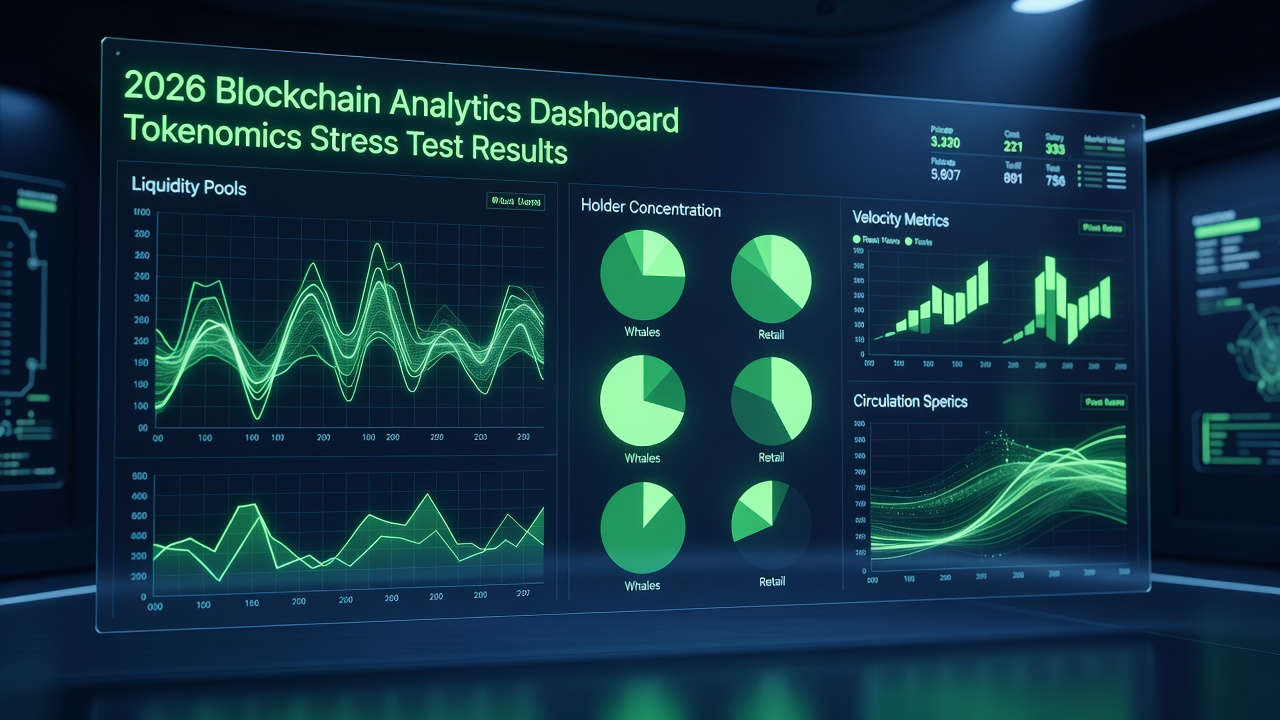
- Stress testing of fulfillment rates under simulated solver exits or reduced competition.
- Scenario modeling that evaluates the impact of fee distribution changes on staking participation.
- Correlation studies linking MEV exposure to changes in token velocity and holder behavior.
- Regular monitoring cadence using automated dashboards that flag deviations from baseline metrics.
Implementing these steps enables teams to adjust emissions schedules or introduce new sinks proactively. Authoritative resources such as Ethereum documentation and Dune Analytics supply foundational datasets, while DeFiLlama offers complementary liquidity and volume context for cross-protocol comparisons.
Risks, Challenges, and Mitigation Strategies
Intent-centric systems face risks including solver collusion, oracle manipulation affecting fulfillment pricing, and liquidity fragmentation across multiple intent marketplaces. Mitigation approaches involve implementing decentralized solver registries, on-chain verification of execution quality, and dynamic fee adjustments that respond to real-time competition levels.
Regular onchain reviews help surface these issues early. Teams that integrate multi-chain analytics and maintain transparent reporting on token flows are better positioned to sustain user trust and long-term value accrual.
Conclusion
Intent-centric tokenomics in 2026 requires nuanced analytics that go beyond surface-level metrics. By rigorously examining searcher incentives, fulfillment rates, cross-protocol sinks, and MEV effects, participants can design and maintain token economies that reward genuine usage while resisting centralization. Continuous data-driven monitoring remains indispensable for protocols operating within this evolving paradigm.
No comments yet. Be the first!