 CryptoChain Blog

Introduction to NFT Royalty Tracking in 2026
The evolution of NFT marketplaces in 2026 has placed renewed emphasis on royalty enforcement as a core component of tokenomics. Onchain data now provides transparent visibility into creator revenue flows, allowing participants to analyze collection rates and identify patterns that influence secondary market activity. This guide explores how blockchain analytics reveal the health of royalty systems across major platforms, offering creators and traders actionable insights for navigating evolving digital asset economies.
With increasing adoption of NFTs across art, gaming, and collectibles, understanding royalty mechanics has become essential. Onchain tracking tools have matured significantly, enabling real-time monitoring that was previously unavailable. This depth of visibility helps stakeholders forecast earnings and adjust strategies accordingly.
Key Onchain Metrics for Royalty Collection Rates
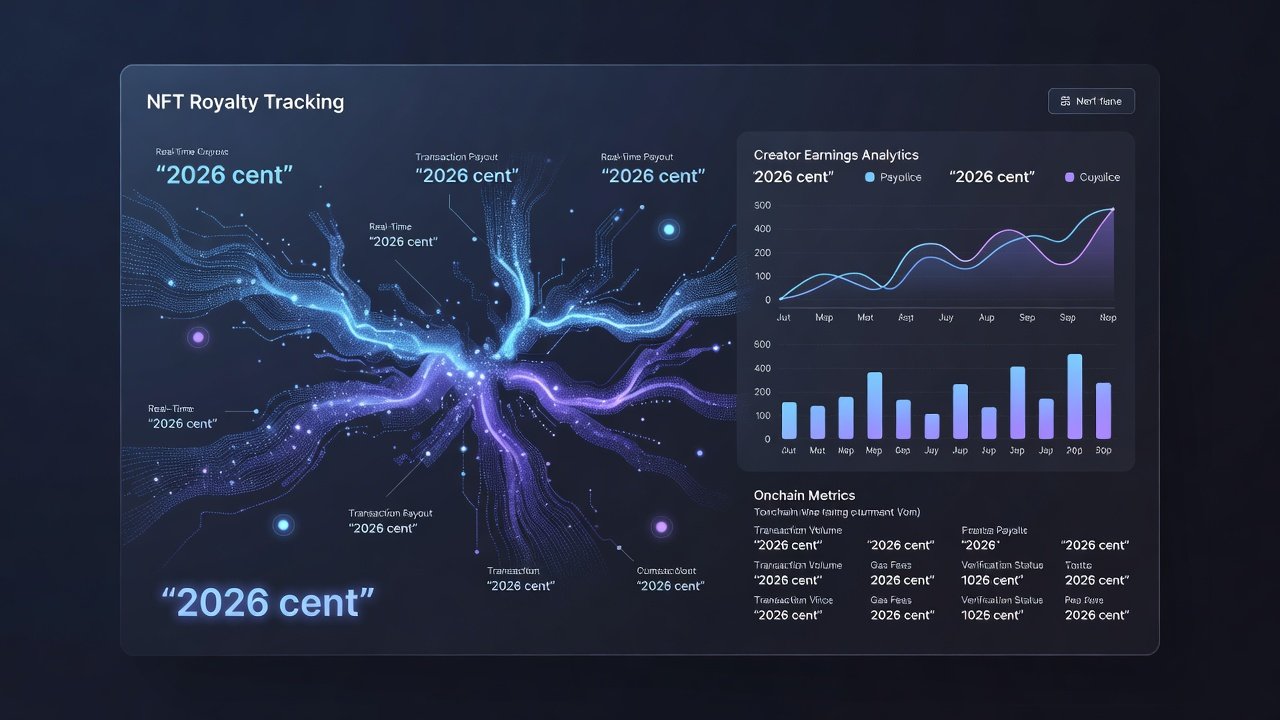
Tracking royalties begins with core metrics derived from public ledgers. Collection rates measure the percentage of secondary sales that successfully remit fees to original creators. Onchain signals also highlight average royalty percentages enforced per transaction and total creator earnings over time. These figures help assess whether marketplace policies align with sustainable economics. Additional indicators include the frequency of royalty events per collection and the distribution of payments across different wallet addresses.
- Royalty collection success rate across Ethereum and Solana-based collections
- Median fee percentage applied to resales in the past quarter
- Volume of royalty payments routed through smart contracts versus off-platform settlements
- Time-series analysis of royalty inflows during high-volume trading periods
- Comparison of enforced versus optional royalty structures in active marketplaces
These metrics collectively paint a picture of ecosystem health and creator compensation effectiveness.
Evasion Patterns Across Leading Marketplaces
Analysis of 2026 onchain activity shows distinct evasion behaviors. Some traders route sales through private wallets or alternative chains to bypass royalty mechanisms. Marketplaces with flexible enforcement see higher instances of zero-royalty transfers, while stricter platforms maintain better compliance through immutable contract logic. Patterns often emerge around batch transfers or the use of intermediary contracts designed to obscure original ownership trails. Observers note that certain collections experience spikes in evasion during market downturns when liquidity concerns outweigh compliance priorities.
Holder Behavior Impacts on Secondary Sales
Collector behavior directly affects royalty revenue. Frequent flippers often prefer low-royalty venues, reducing creator income on high-velocity assets. Conversely, long-term holders contribute to steadier secondary sales where royalties are reliably collected, supporting ongoing ecosystem development. Behavioral data also reveals that community-driven collections with strong holder engagement tend to exhibit higher royalty compliance rates, as participants value the sustainability of the projects they support.
Step-by-Step Workflows for Tracking Royalties
Blockchain analytics tools enable precise monitoring. Follow these steps to build an effective tracking process:
- Connect a wallet or API key to an explorer supporting NFT transaction filters and set up custom dashboards for relevant collections.
- Query smart contract events for royalty-related transfers using event signatures and filter by specific time ranges or marketplaces.
- Cross-reference marketplace addresses with known royalty wallet destinations to verify payment routing accuracy.
- Calculate collection rates by dividing successful royalty events by total secondary sales volume, adjusting for any known exemptions.
- Monitor for anomalies such as sudden drops in remittance frequency or unusual transfer clustering that may indicate evasion attempts.
- Generate periodic reports comparing performance across multiple chains and export data for deeper financial modeling.
These workflows integrate data from multiple chains for a holistic view and can be automated with scripting for ongoing surveillance.
Real Examples from Top NFT Platforms
Leading platforms demonstrate varied approaches. Some enforce royalties at the contract level for every resale, while others rely on marketplace policies that traders can sometimes circumvent. Onchain dashboards reveal which collections maintain above-average collection rates despite market fluctuations. For instance, certain Ethereum-based projects show consistent remittance through upgraded smart contracts, whereas Solana marketplaces occasionally display fragmented patterns due to differing wallet integrations.
Learn more about foundational blockchain standards at Ethereum Foundation resources. Additional insights on scalable infrastructure are available via Solana documentation.
Optimizing Royalty Models for Sustainable Tokenomics
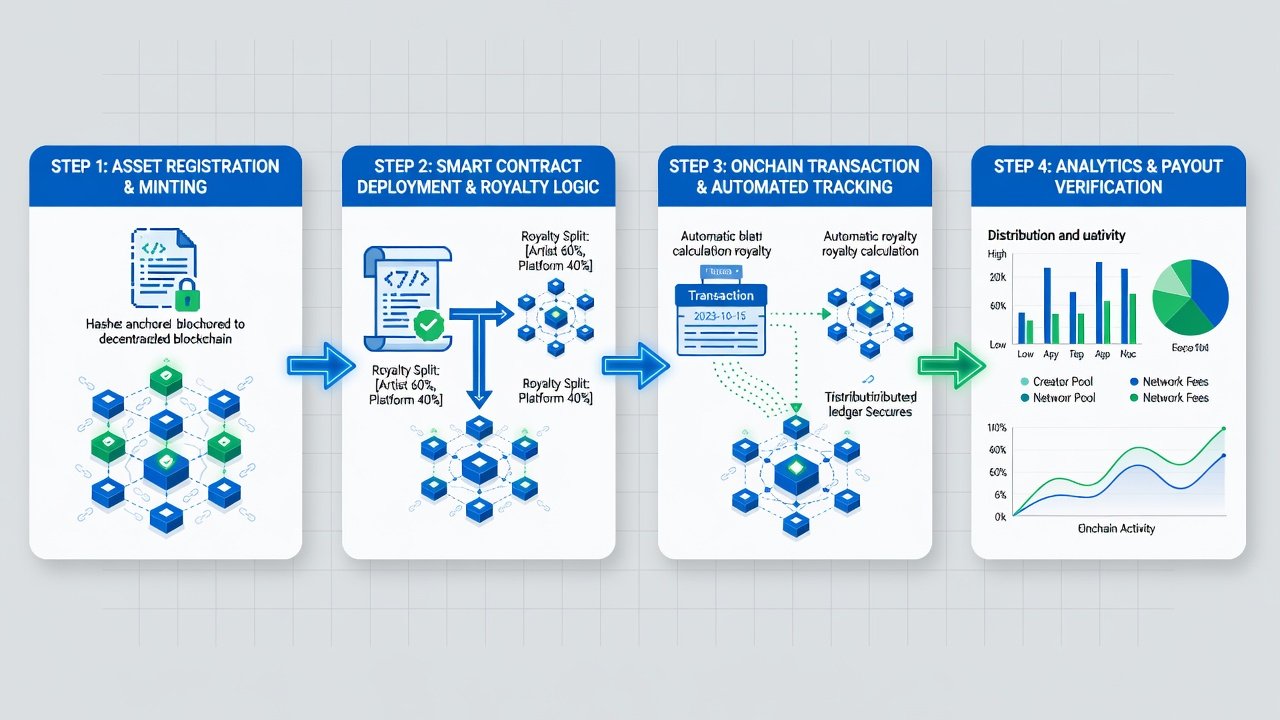
Creators can refine models by setting tiered royalty rates based on holding periods or sale velocity. Data-driven adjustments, such as lowering rates on illiquid assets, encourage volume while protecting revenue. Integrating vesting schedules for royalty distributions further stabilizes cash flow for long-term projects. Advanced strategies include dynamic royalty percentages that respond to trading volume thresholds and partnerships with analytics providers for predictive modeling. These optimizations help balance creator incentives with marketplace competitiveness, fostering healthier token economies overall.
Common Pitfalls Revealed by Onchain Signals
Common issues include over-reliance on single marketplaces and failure to monitor contract upgrades that alter fee logic. Onchain analysis frequently uncovers hidden transfer patterns that erode intended revenue. Regular audits of royalty wallets and diversified listing strategies help mitigate these risks. Another frequent oversight involves neglecting cross-chain activity, which can lead to incomplete revenue pictures. Teams that implement multi-chain monitoring early tend to avoid revenue leakage more effectively than those relying on manual reviews.
FAQ on Compliance and Revenue Forecasting
How do creators ensure royalty compliance across chains? Use multi-chain analytics platforms to monitor all supported marketplaces and set alerts for non-compliant transfers. Regular contract reviews and community education also play key roles in maintaining high compliance levels.
What data improves revenue forecasting accuracy? Historical collection rates combined with secondary sales velocity provide reliable projections for quarterly earnings. Incorporating holder retention metrics further refines these forecasts over longer horizons.
Are there tools that automate royalty tracking? Yes, several blockchain explorers offer customizable dashboards focused on NFT event logs and fee distributions, allowing creators to receive automated summaries without manual intervention.
How does holder behavior influence long-term tokenomics? High-frequency trading without royalties can dilute creator incentives, whereas steady secondary markets with enforced fees support continuous development funding and project growth.
Conclusion
Effective NFT royalty tracking in 2026 relies on leveraging onchain transparency to inform better decision-making. By understanding metrics, recognizing evasion signals, and implementing robust workflows, creators and traders can contribute to more sustainable marketplace ecosystems. Continued innovation in analytics tools promises even greater precision in the years ahead.
No comments yet. Be the first!