 CryptoChain Blog
Introduction to Regulatory Shifts in Tokenomics
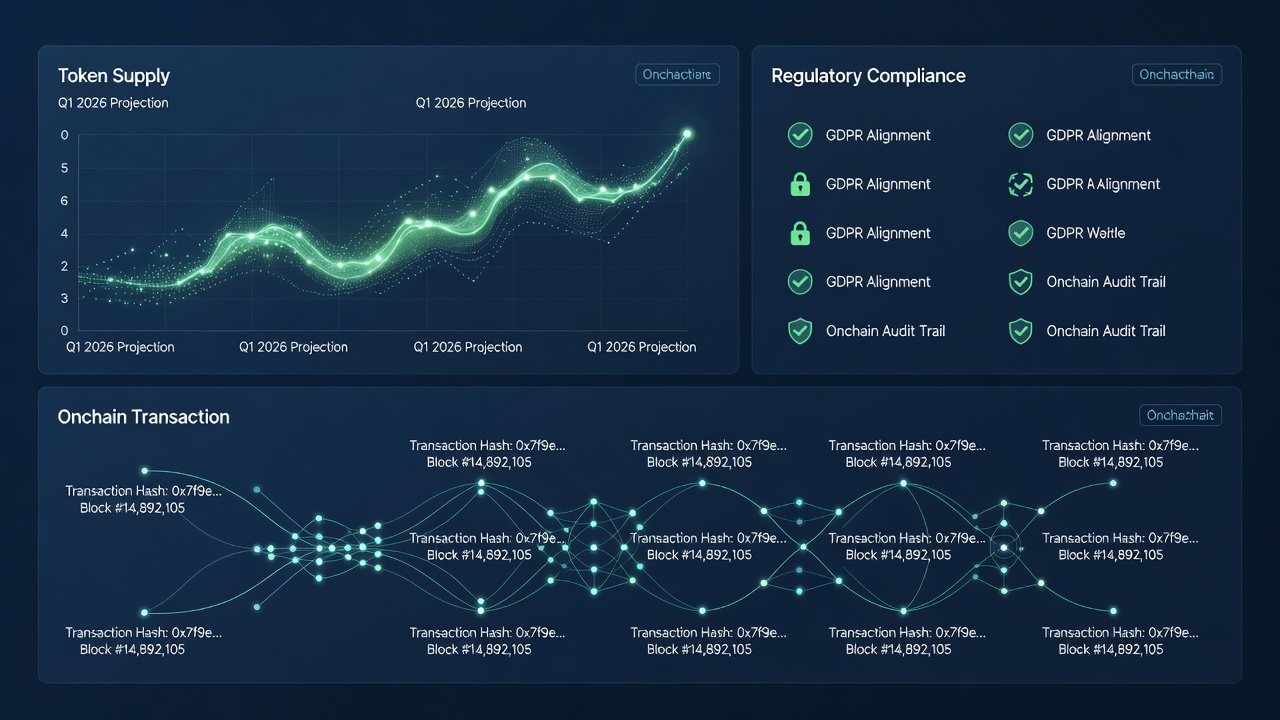
As global regulators intensify oversight of digital assets in 2026, token economics face unprecedented transformation. Onchain analytics have become essential for tracking how rules influence supply, distribution, and utility. Professionals in crypto must understand these dynamics to build resilient projects amid uncertainty. This shift stems from increasing scrutiny by bodies worldwide aiming to curb illicit finance while fostering innovation. Tokenomics, which encompasses supply mechanics, incentive structures, and governance models, must now incorporate regulatory compliance as a core design principle rather than an afterthought.
This article examines compliance-driven supply adjustments, onchain monitoring of restricted flows, and advanced blockchain analytics for risk assessment. Real-world protocol examples illustrate adaptations, followed by a practical step-by-step guide and model comparisons. We also explore common pitfalls and future implications to provide actionable insights for developers, analysts, and investors seeking sustainable token models.
Compliance-Driven Supply Adjustments in 2026
Regulations now mandate verifiable token burns, vesting schedules, and allocation caps to prevent market manipulation. Protocols adjust circulating supply dynamically through smart contracts that respond to regulatory signals. For instance, certain DeFi platforms have integrated automated mechanisms to lock portions of supply upon detection of high-risk jurisdictions. These changes often involve real-time oracles that pull data from compliance databases, triggering events like partial burns or redistribution to treasury wallets.
Key Mechanisms
- Automated burn functions triggered by compliance oracles that monitor jurisdictional updates
- Time-locked releases aligned with KYC milestones and periodic audits
- Dynamic inflation controls based on jurisdictional reporting requirements
- Escrow mechanisms for team and investor allocations that release only after regulatory sign-off
These adjustments promote transparency while mitigating enforcement risks. In practice, projects that fail to implement such features have seen reduced liquidity and investor confidence as exchanges delist non-compliant tokens.
Onchain Tracking of Restricted Flows
Blockchain analytics platforms enable real-time surveillance of token movements subject to sanctions or restrictions. Tools parse transaction graphs to flag interactions with blacklisted addresses, ensuring protocols can isolate or redirect flows automatically. This tracking extends beyond simple address blacklisting to include behavioral analysis, such as identifying mixer usage or rapid cross-border transfers that may indicate evasion attempts.
Examples include recent adaptations by major lending protocols that implemented address screening layers, reducing exposure to restricted entities by significant margins in simulated tests. One protocol adjusted its smart contract logic to pause withdrawals from flagged clusters, allowing time for manual review. Such measures have become standard as regulators demand greater accountability from onchain operators.
Learn more from the U.S. Securities and Exchange Commission on evolving enforcement priorities.
Blockchain Analytics for Risk Assessment
Advanced onchain metrics such as velocity scores, concentration ratios, and wallet clustering help quantify regulatory risk. Analysts combine these with offchain data for holistic views. Velocity scores measure how quickly tokens circulate, flagging potential pump-and-dump schemes. Concentration ratios reveal if a small number of wallets control disproportionate supply, raising red flags for manipulation. Wallet clustering groups addresses likely controlled by the same entity, aiding in identifying sanctioned actors hidden behind multiple identities.
Practical Comparison: Compliant vs Non-Compliant Models
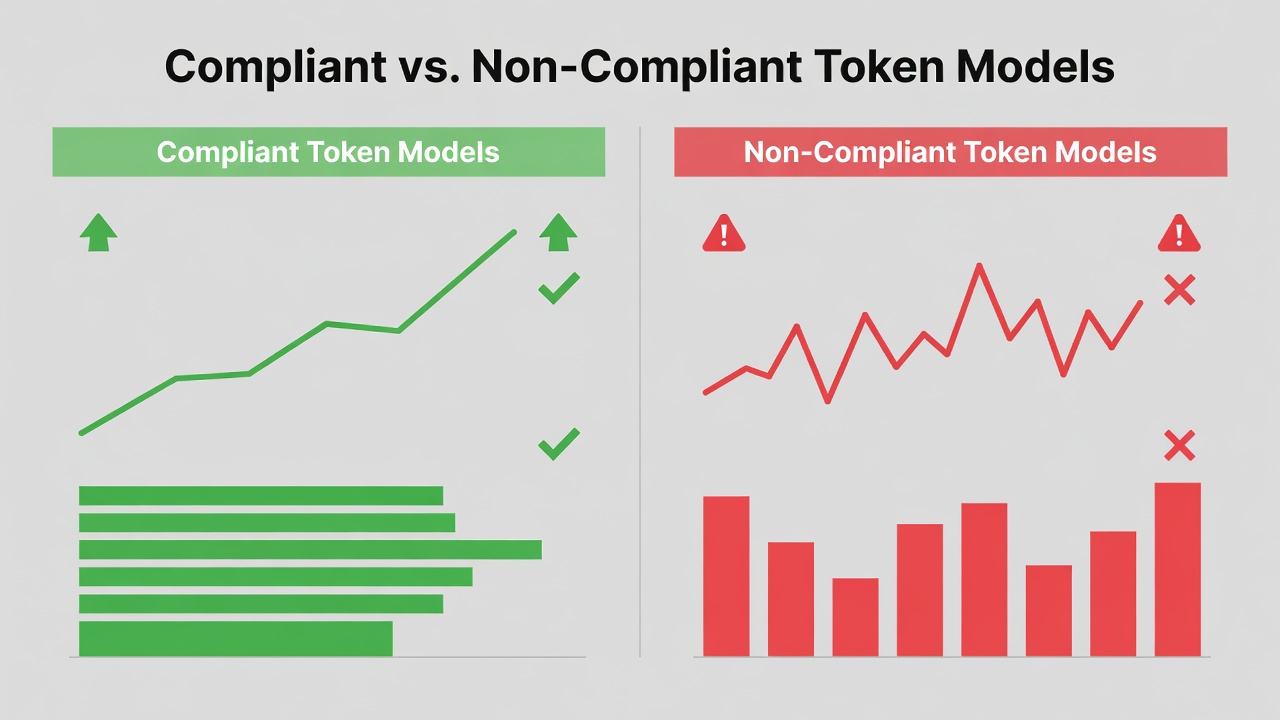
Compliant token models feature audited supply schedules, transparent governance, and integrated screening. Non-compliant counterparts often suffer from opaque allocations and sudden liquidity events. Data visualizations reveal compliant projects maintain steadier holder retention during regulatory announcements. For example, a governance token with built-in compliance modules demonstrated lower volatility compared to peers lacking such features, as holders perceived reduced legal risk. Non-compliant models, by contrast, frequently experience sharp outflows when new rules are announced, leading to devaluation and loss of ecosystem participation.
Step-by-Step Guide to Monitoring Regulatory Signals Onchain
- Connect to public blockchain explorers and set up wallet labeling for known regulatory entities such as sanctioned addresses published by authorities.
- Deploy custom scripts to monitor transaction volumes from flagged addresses and set alerts for unusual patterns like sudden spikes in activity from high-risk regions.
- Integrate oracle feeds that update compliance parameters in real time, allowing smart contracts to adapt supply or access rules automatically.
- Analyze historical patterns using clustering algorithms to predict flow restrictions and model potential impacts on token velocity and holder distribution.
- Review quarterly reports from analytics providers and cross-reference with official regulatory updates from global bodies to anticipate policy changes before they take effect.
- Conduct regular stress tests simulating new regulations to evaluate how your tokenomics would respond, including scenarios involving forced burns or freezes.
- Document all monitoring processes and maintain audit trails to demonstrate due diligence to regulators or partners if inquiries arise.
This process empowers teams to adapt tokenomics proactively and avoid reactive overhauls that can damage community trust.
Real-World Protocol Adaptations and Case Studies
Recent cases demonstrate how protocols revised token utilities to align with MiCA frameworks in Europe and similar rules elsewhere. One stablecoin issuer adjusted redemption mechanics following onchain flow analysis, enhancing auditability and allowing seamless compliance reporting. Another DeFi protocol introduced tiered access based on user jurisdiction, using onchain proofs to restrict certain features without centralizing control. These adaptations highlight the importance of flexible smart contract design that can evolve with regulations.
Common mistakes to avoid include over-centralizing control in the name of compliance, which can undermine decentralization principles, and neglecting to communicate changes clearly to token holders, leading to confusion and sell-offs. Projects that succeed typically combine technical solutions with strong community education efforts.
Explore EU regulatory resources for further context on digital asset rules.
Potential Pitfalls and Future Outlook
Teams often underestimate the cost and complexity of ongoing monitoring, leading to incomplete implementations. Another frequent error is ignoring cross-jurisdictional differences, where a model compliant in one region fails in another. Looking ahead, integration of AI-driven analytics promises even more sophisticated risk detection, while standardized reporting frameworks may simplify compliance across borders. Protocols that invest early in robust onchain tools will likely gain competitive advantages in attracting institutional capital.
Conclusion
Navigating 2026 regulatory shifts requires deep integration of onchain analytics into tokenomics design. By prioritizing compliance and proactive monitoring, projects can achieve sustainable growth despite uncertainty. The combination of supply adjustments, flow tracking, and risk assessment creates a foundation for resilient token economies that withstand evolving rules.
FAQs on Compliance Tools
What are the top onchain tools for regulatory tracking?
Leading solutions include graph-based analytics suites that provide address screening and flow visualization, along with customizable dashboards for real-time alerts.
How often should protocols review onchain signals?
Weekly automated scans combined with monthly manual audits are recommended for most teams, with more frequent reviews during periods of high regulatory activity.
Can non-compliant models recover?
Yes, through phased supply restructuring and enhanced transparency measures backed by verifiable data, though recovery timelines vary based on the severity of prior issues.
Which regulatory bodies influence tokenomics most directly?
Key influencers include securities regulators, financial intelligence units, and international standard-setters that shape global expectations for transparency and anti-money laundering controls.


No comments yet. Be the first!