 CryptoChain Blog

Introduction to Stablecoin Liquidity Pools in 2026
Stablecoin liquidity pools form the backbone of decentralized finance, enabling seamless trading and lending while anchoring token economics through onchain data. In 2026, analysts focus on metrics such as TVL concentration, impermanent loss patterns, reserve backing verification, and whale activity to uncover sustainability signals across major pools. These pools, primarily on Ethereum and layer-2 networks, facilitate billions in daily volume. Understanding their tokenomics helps DeFi participants identify resilient yield opportunities and avoid hidden risks. As the market matures, liquidity providers must navigate evolving dynamics where even small deviations in peg stability can cascade into significant economic impacts for token holders and protocols alike.
The year 2026 brings heightened scrutiny on how these pools interact with broader tokenomics, especially as regulatory frameworks tighten and new yield-bearing stablecoins emerge. This deep dive examines the core mechanics that drive pool performance and provides concrete methods for extracting alpha from onchain signals.
Key Onchain Metrics for Liquidity Pool Analysis
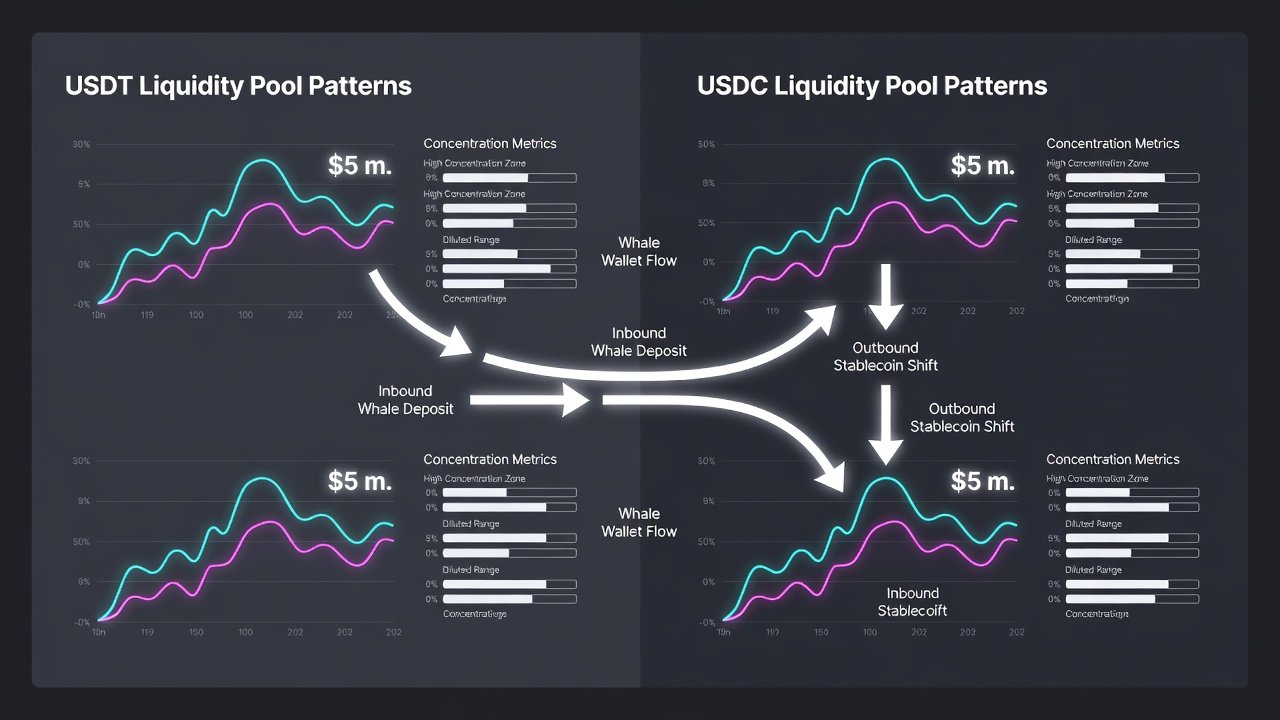
TVL concentration reveals how capital clusters in specific pools. High concentration in a few pools can signal strong demand but also vulnerability to large withdrawals. Impermanent loss patterns show how price divergences between paired assets erode LP returns over time. Reserve backing verification ensures stablecoins maintain 1:1 collateral through transparent attestations. Whale activity tracks large wallet movements that often precede volatility spikes.
Additional metrics worth monitoring include utilization rates within lending integrations and the velocity of stablecoin flows between exchanges and DeFi protocols. These indicators collectively paint a picture of pool health and long-term viability. For instance, sudden spikes in TVL without corresponding volume growth may indicate temporary incentives rather than organic demand.
DefiLlama provides real-time dashboards for these metrics across protocols.
Practical Steps to Track Metrics with 2026 Examples
Start by connecting to blockchain explorers like Etherscan for raw transaction data. Use analytics platforms to monitor TVL flows in real time. In 2026, leading stablecoins show distinct patterns: USDC pools often exhibit lower impermanent loss due to tighter peg stability, while emerging yield variants introduce new variables through dynamic fee structures.
- Query pool contracts for USDT and USDC reserves weekly using Dune Analytics queries tailored to specific chain addresses. This reveals concentration trends over rolling 30-day periods.
- Track impermanent loss using historical price feeds from oracles such as Chainlink, calculating deviations in real time and comparing against baseline holding returns.
- Monitor whale wallets via onchain labeling tools for transfers exceeding typical thresholds, setting automated alerts for movements above $5 million equivalent.
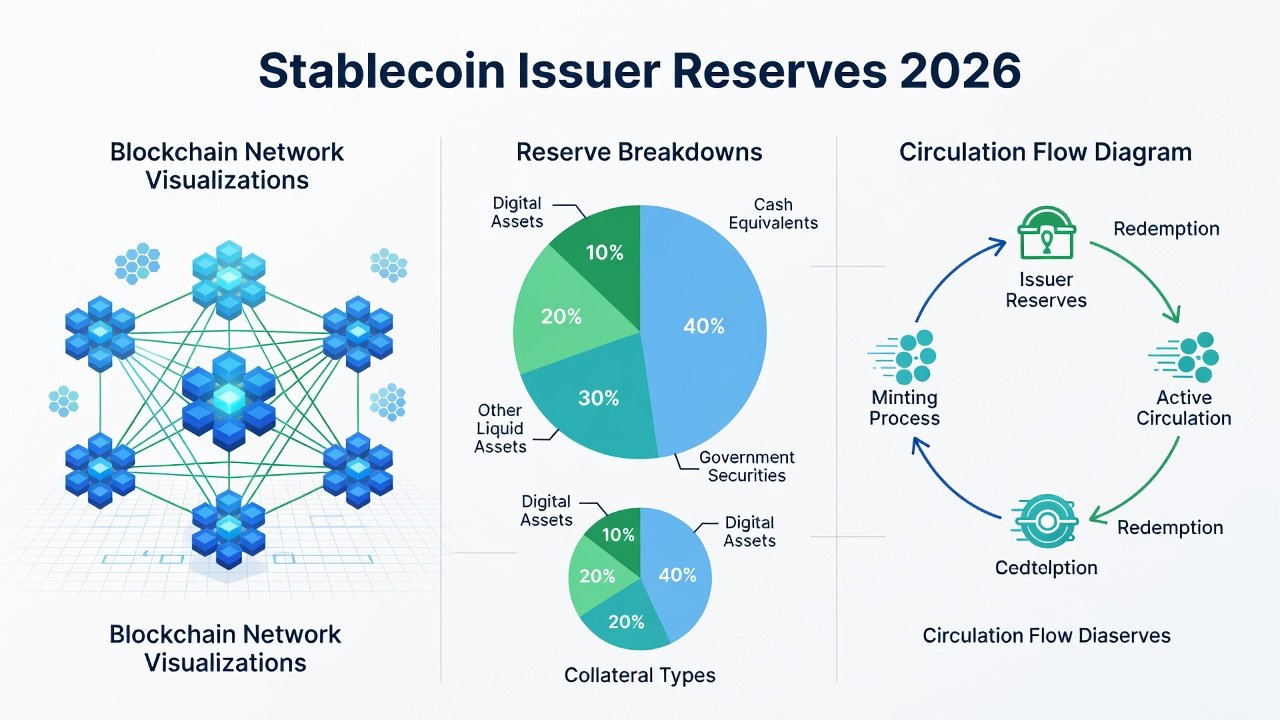
- Verify reserves through issuer dashboards for USDC and Tether attestations, cross-checking monthly reports against onchain collateral addresses.
- Analyze fee accrual rates and reward distributions in yield-enhanced pools to assess whether additional returns justify added complexity and risk.
These steps, when applied consistently, allow analysts to build predictive models for pool behavior during both bull and bear market phases observed throughout 2026.
Comparing USDT, USDC, and Emerging Yield Variants
USDT pools frequently demonstrate higher TVL but face scrutiny over reserve transparency. USDC benefits from regular attestations and regulatory alignment, supporting more predictable tokenomics. Emerging yield variants layer additional returns via lending integrations, yet they introduce sustainability questions around long-term backing and fee redistribution.
USDT often shows greater resilience in high-volume trading pairs but carries higher perceived counterparty risk. USDC pools tend to attract institutional liquidity due to compliance features. Yield variants, by contrast, appeal to retail users seeking enhanced returns but require careful evaluation of their underlying collateral mechanisms and smart contract risks. Analysts compare these for signals of resilience during market stress, noting that USDC has historically maintained tighter pegs in volatile periods.
Circle and Tether publish ongoing reserve reports to aid verification.
Actionable Tips for DeFi Analysts
- Cross-reference multiple data sources to confirm TVL accuracy and avoid single-point-of-failure reliance on any one dashboard.
- Set alerts for whale movements above key thresholds to anticipate potential liquidity shifts before they impact pool prices.
- Simulate impermanent loss scenarios before committing liquidity, using historical data from the previous 12 months to model worst-case outcomes.
- Prioritize pools with diversified reserve verification methods, including third-party audits and real-time onchain proofs.
- Evaluate fee tiers and reward emissions in relation to current market conditions to optimize entry and exit timing.
Common Pitfalls to Avoid
Over-reliance on headline TVL without checking concentration risks missing liquidity crunches during redemption events. Ignoring reserve verification can expose positions to depeg events that erode principal value rapidly. Failing to account for whale coordination often leads to unexpected slippage and forced liquidations. Another frequent mistake involves overlooking smart contract upgrade risks in newer yield variants, which can alter tokenomics without warning. Always diversify across multiple pools and maintain strict position sizing relative to overall portfolio exposure.
Short FAQ
How does impermanent loss affect stablecoin pools?
Even in stable pairs, minor peg deviations create loss compared to holding assets outright, though less severe than volatile pairs. In 2026 data, average losses in major USDT-USDC pools ranged below 0.5 percent during normal conditions but spiked during stress events.
What tools best track 2026 whale activity?
Platforms integrating labeled wallet data and transaction clustering provide the clearest insights, enabling proactive risk management.
Are yield variants more sustainable than plain USDT or USDC pools?
They offer higher returns but require deeper analysis of fee mechanics and collateral quality for true sustainability. Many variants show strong short-term performance yet face questions about scalability during prolonged low-yield environments.
Conclusion
Mastering stablecoin liquidity pool tokenomics in 2026 demands rigorous onchain scrutiny. By focusing on the outlined metrics and following structured tracking steps, analysts gain actionable alpha while navigating DeFi complexities effectively. Continuous monitoring and diversified strategies remain essential for long-term success in this evolving landscape.

No comments yet. Be the first!