 CryptoChain Blog

Introduction to Yield-Bearing Stablecoin Tokenomics in 2026
Yield-bearing stablecoins have transformed DeFi by combining price stability with native returns, driven by sophisticated onchain reserve strategies. In 2026, protocols such as sUSDe exemplify how collateral composition, yield generation, and liquidity dynamics create sustainable value. This analysis draws on Ethereum and Layer 2 data to break down reserves, highlight whale behavior, and provide actionable monitoring frameworks for analysts seeking to understand sustainability and performance metrics across the ecosystem.
The evolution from traditional stablecoins to yield-bearing variants reflects broader market maturation. Holders now expect not only peg stability but also competitive returns without leaving the stablecoin itself. Onchain analytics reveal intricate reserve breakdowns that balance safety with yield optimization, making transparency and real-time data essential for informed participation.
Reserve Composition and Collateral Ratios
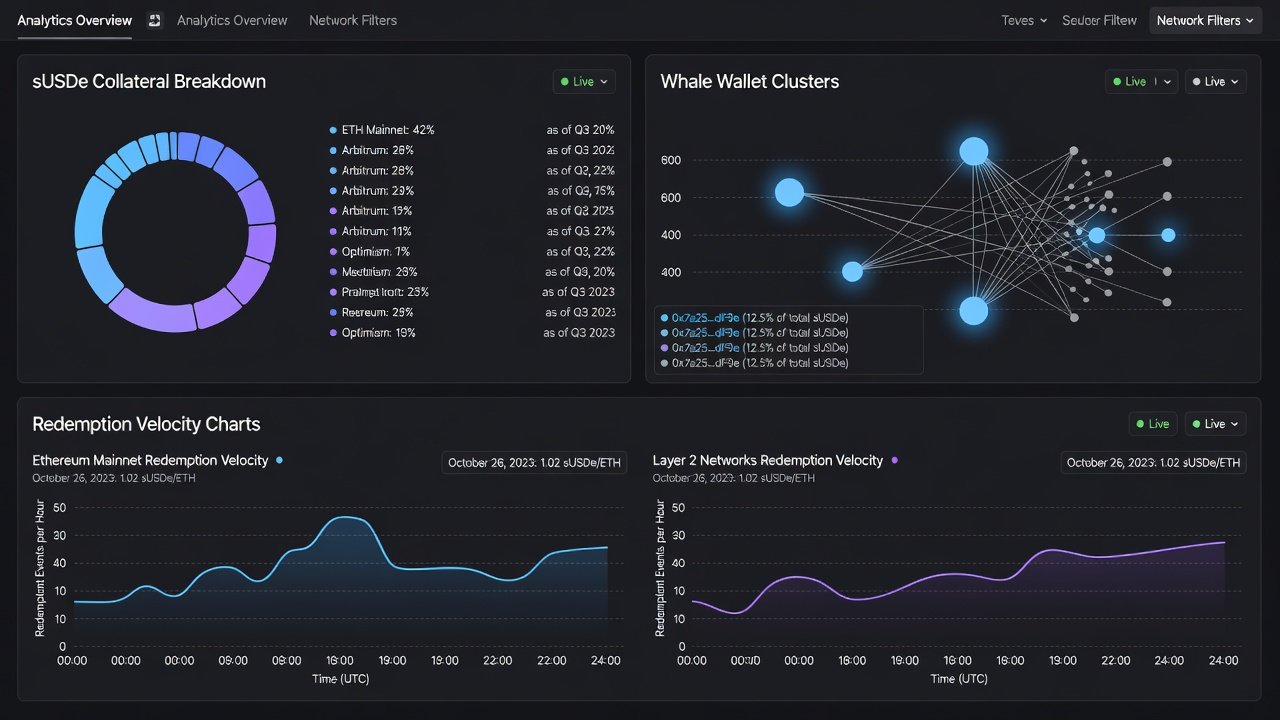
Modern yield-bearing stables maintain over-collateralization to buffer volatility. Typical structures include a mix of liquid assets like US Treasuries tokenized onchain, ETH, and LSTs. Collateral ratios often exceed 110% to ensure redemption capacity during stress events. Analysts track these via dashboards showing real-time backing, emphasizing diversification away from single-asset exposure to mitigate concentration risks.
Key metrics include the percentage allocation to yield-generating instruments versus cash equivalents. Higher allocations to onchain yield sources boost APY but introduce smart contract risks. Recent patterns show protocols balancing these through automated rebalancing mechanisms that respond to market conditions. For instance, reserves on Ethereum frequently incorporate wrapped assets from multiple chains to enhance liquidity while maintaining verifiable onchain proofs.
Collateral composition also factors in liquidity depth and correlation risks. Protocols prioritize assets with low volatility correlation to the stablecoin's peg, ensuring that drawdowns in one component do not cascade into redemption pressure.
Yield Generation Mechanisms Across Protocols
Yield stems primarily from lending protocols, restaking rewards, and basis trading. For sUSDe-like assets, revenue flows from delta-neutral strategies that capture funding rates while hedging price exposure. Liquidity flows concentrate on Ethereum mainnet for deep liquidity pools, with L2s like Arbitrum facilitating faster, cheaper redemptions and enabling broader accessibility for retail participants.
Redemption velocity serves as a critical health indicator. High velocity signals strong demand, while drops may indicate shifting holder sentiment. Onchain data reveals clustering around major events such as rate changes or protocol upgrades, providing early signals for analysts monitoring sustainability.
Liquidity Flows and Cross-Chain Dynamics
Liquidity flows in 2026 exhibit pronounced multi-chain patterns. Ethereum remains the settlement layer for large reserves, while Layer 2 networks handle the majority of day-to-day transfers and yield farming activities. Analysts observe that bridging activity spikes during periods of high yield differentials, creating temporary liquidity imbalances that sophisticated traders exploit through arbitrage.
Practical examples include monitoring bridge contract volumes on platforms like Arbitrum and Optimism to anticipate redemption surges. These flows directly influence reserve health, as rapid outflows can pressure collateral ratios if not offset by incoming deposits.
Whale Accumulation and Holder Behavior Insights
Whale wallets often accumulate during dips, creating predictable accumulation zones visible through transaction clustering. Onchain analytics show large holders favoring multi-chain strategies, bridging between Ethereum and L2s to optimize gas costs. Behavioral data indicates retail participants chase yields more reactively than institutions, leading to divergence in redemption patterns that can be quantified through wallet cohort analysis.
Practical tracking involves monitoring top holder concentration and transfer volumes. Sudden spikes in large transfers frequently precede broader market moves, offering alpha opportunities for those equipped with real-time alerts.
Step-by-Step Guide to Monitoring Sustainability Risks
DeFi analysts can follow this workflow using free blockchain explorers and analytics platforms:
- Query reserve contracts on Etherscan or L2-specific explorers to verify collateral balances and track daily changes in asset allocations.
- Use Dune Analytics or similar to build custom dashboards tracking collateral ratios over 30-day windows, incorporating filters for specific asset types and chain activity.
- Monitor redemption queues via protocol frontends and compare against historical velocity baselines to detect anomalies early.
- Cross-reference with Ethereum.org documentation for chain-specific metrics and upgrade impacts on reserve mechanics.
- Alert on deviations exceeding 5% from target ratios using onchain event listeners integrated with notification tools.
- Analyze holder distribution heatmaps to identify potential concentration risks and simulate stress scenarios based on historical outflows.
- Compare cross-protocol metrics by pulling data from multiple yield-bearing stables to benchmark relative performance and identify outliers.
Compare performance against non-yielding stables by evaluating total value locked growth and peg deviation frequency. Yield-bearing variants typically show tighter pegs during bull markets due to incentive alignment, though they may exhibit greater volatility in bearish conditions when yield sources dry up.
Regulatory Impacts on Tokenomics
Emerging frameworks from bodies like the SEC influence reserve transparency requirements. Protocols adapting with attestations and onchain proofs of reserves gain trust advantages. Holder behavior shifts toward compliant chains, with data showing increased L2 activity post-regulatory announcements. Analysts should review official guidance from SEC.gov for evolving rules and consider how compliance costs may affect net yields over time.
Case Studies of Top Performers
Leading protocols demonstrate robust tokenomics through diversified reserves and transparent dashboards. One standout maintains 120%+ collateral with significant allocation to restaking yields, achieving consistent outperformance versus benchmarks through automated risk controls. Another excels in L2 liquidity by minimizing bridging friction, resulting in higher redemption velocity and lower slippage during peak trading periods.
Common success factors include automated risk parameters and community governance over reserve adjustments. Failures often trace to concentrated collateral or delayed rebalancing, underscoring the importance of diversified holdings and rapid response mechanisms. A third protocol case illustrates effective use of basis trading strategies that delivered stable yields even amid funding rate fluctuations in early 2026.
Actionable Tips for DeFi Analysts Seeking Alpha
- Build alerts for whale movements exceeding significant thresholds to catch accumulation or distribution phases ahead of retail flows.
- Integrate multi-chain data aggregation tools to capture the full liquidity picture across Ethereum and major L2s without manual bridging checks.
- Model stress scenarios using historical redemption data from previous market events to prepare contingency strategies.
- Review protocol audits and onchain governance proposals weekly to stay ahead of parameter changes that could impact yields.
- Benchmark yields against traditional finance rates using public indices for relative value assessment and portfolio allocation decisions.
- Track redemption velocity alongside collateral ratio trends to forecast potential sustainability challenges before they materialize in price action.
By combining these approaches, analysts can identify sustainable opportunities while mitigating risks in the evolving 2026 stablecoin landscape.
Conclusion
Yield-bearing stablecoin tokenomics in 2026 reward rigorous onchain scrutiny. Through detailed reserve analysis, proactive monitoring, and regulatory awareness, participants can navigate liquidity flows and extract meaningful alpha while maintaining stability across protocols and chains.


No comments yet. Be the first!