 CryptoChain Blog
Introduction to Stablecoin Liquidity Stress Testing in 2026
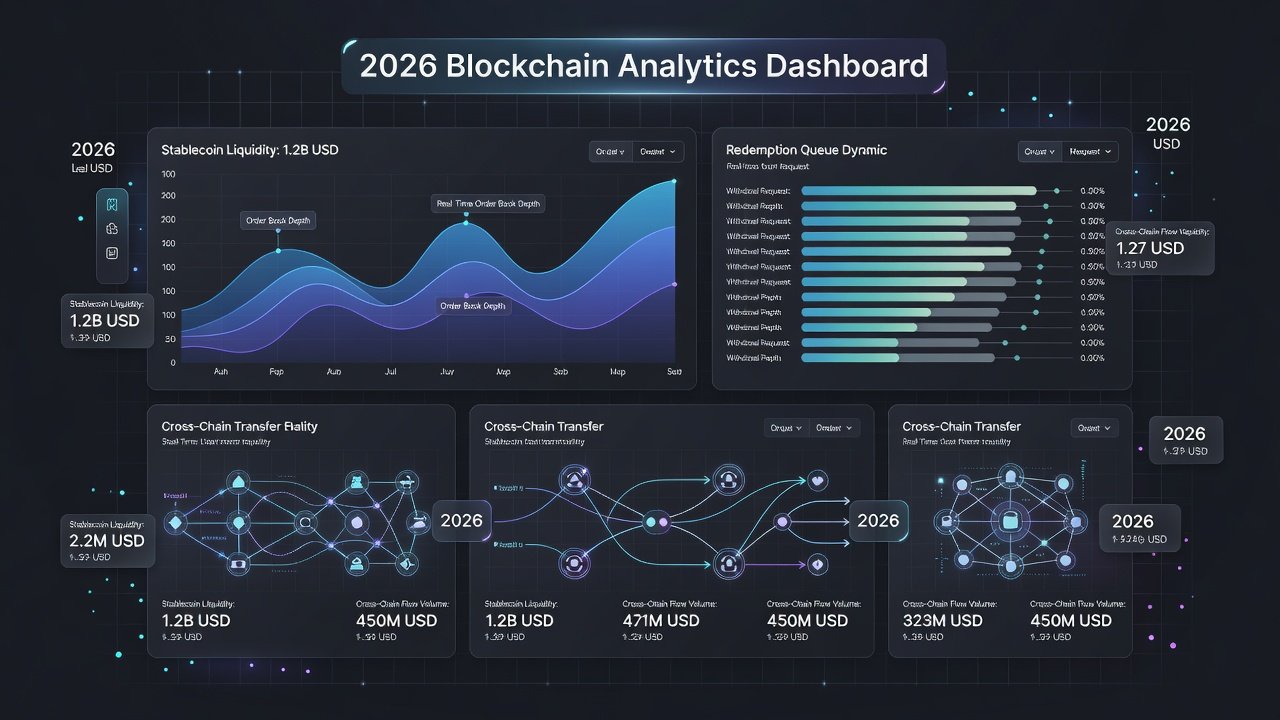
Stablecoin liquidity stress testing has become essential for DeFi participants and institutional analysts navigating volatile markets. With onchain data now more granular than ever, professionals can simulate redemption pressures, track pool depth erosion, and monitor cross-exchange flows in real time. This playbook delivers actionable workflows rather than high-level theory, drawing from 2026 onchain observations across major issuers like USDT, USDC, and DAI. The year 2026 has seen increased regulatory scrutiny and multi-chain expansion, making proactive testing a competitive advantage for traders, liquidity providers, and risk managers alike. Effective stress testing reveals hidden vulnerabilities before they cascade into broader market disruptions. Analysts who implement systematic monitoring gain early signals that qualitative reports often miss, allowing them to adjust positions or hedge exposures ahead of retail participants.
Monitoring Pool Depth with Onchain Metrics
Pool depth serves as the first line of defense against liquidity shocks. Begin by querying DEX liquidity pools on protocols such as Uniswap and Curve using tools like Dune Analytics. Track metrics including total value locked, bid-ask spreads, and concentration of large positions. Practical workflow: Set recurring queries to capture 15-minute snapshots of stablecoin pair reserves. Compare current depth against historical baselines during low-volatility periods. When depth falls below 60% of the 30-day average, flag the pool for deeper review. Additional steps include calculating the Herfindahl-Hirschman Index for liquidity provider concentration and monitoring impermanent loss trends on volatile pairs. Real-world example: In early 2026, USDC pools on Ethereum showed rapid depth contraction during a brief regulatory rumor cycle, while USDT pools on Tron maintained steadier reserves due to different holder distributions. On Solana-based venues, similar tests revealed faster recovery times but higher slippage during peak stress. Analysts should also examine Layer-2 solutions like Arbitrum and Optimism, where bridged stablecoin liquidity often behaves differently from native Ethereum pools. Cross-referencing these data points with total supply changes provides a fuller picture of resilience.
Tracking Redemption Queues and Issuer Reserves
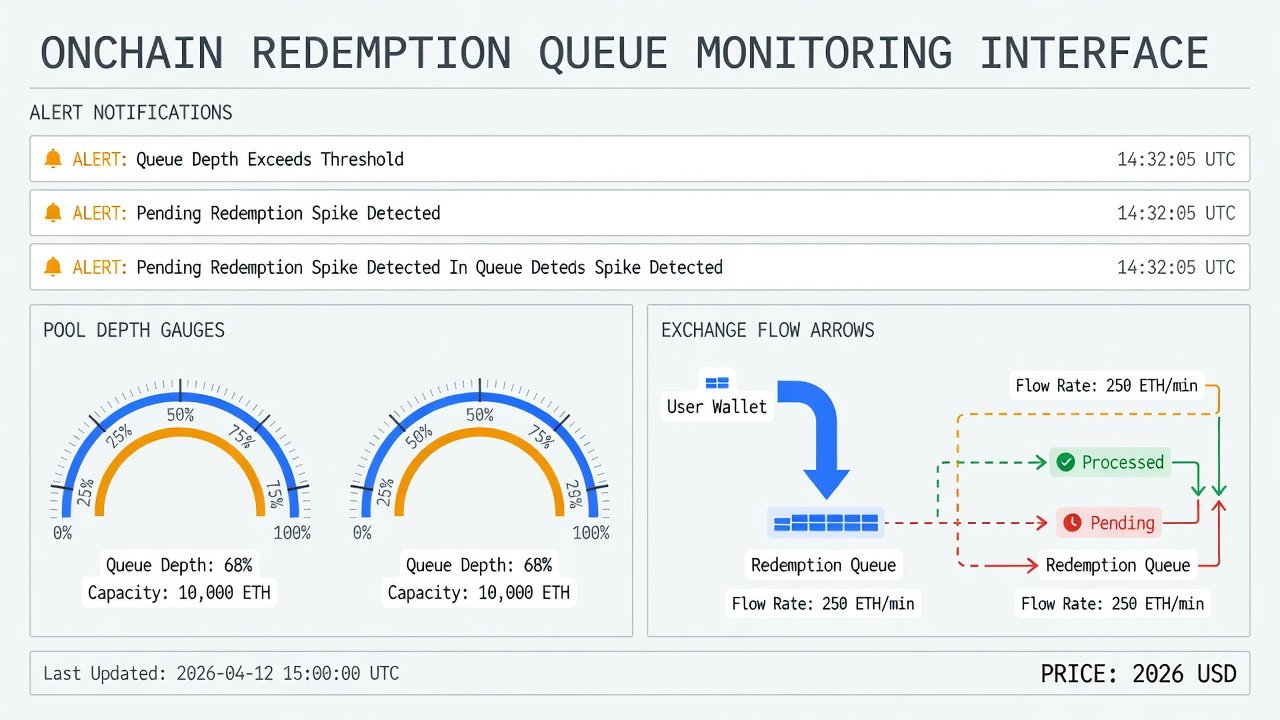
Redemption queues provide direct insight into issuer capacity under stress. Monitor onchain attestations and offchain reserve reports from issuers, then correlate them with wallet activity indicating large redemptions. Use blockchain explorers to follow treasury wallet movements. When large stablecoin amounts move from circulation wallets to issuer-controlled addresses, cross-reference with attestation data for potential stress indicators. Expanded workflow: Create alerts for any transfer exceeding 10 million tokens from known circulation addresses. Combine this with off-chain data feeds for reserve composition changes. Comparison table of resilience signals:
| Issuer | Redemption Speed | Reserve Transparency | Cross-Chain Flow Resilience |
|---|---|---|---|
| USDC | High (same-day) | Monthly attestations | Strong on Ethereum |
| USDT | Variable | Quarterly reports | Robust on Tron |
| DAI | Medium | Real-time oracles | Moderate across L2s |
Further examples include monitoring MakerDAO’s surplus buffer drawdowns during DAI redemptions and Circle’s attested cash equivalents for USDC. These signals help differentiate between routine operations and genuine stress events.
Analyzing Cross-Exchange Flows
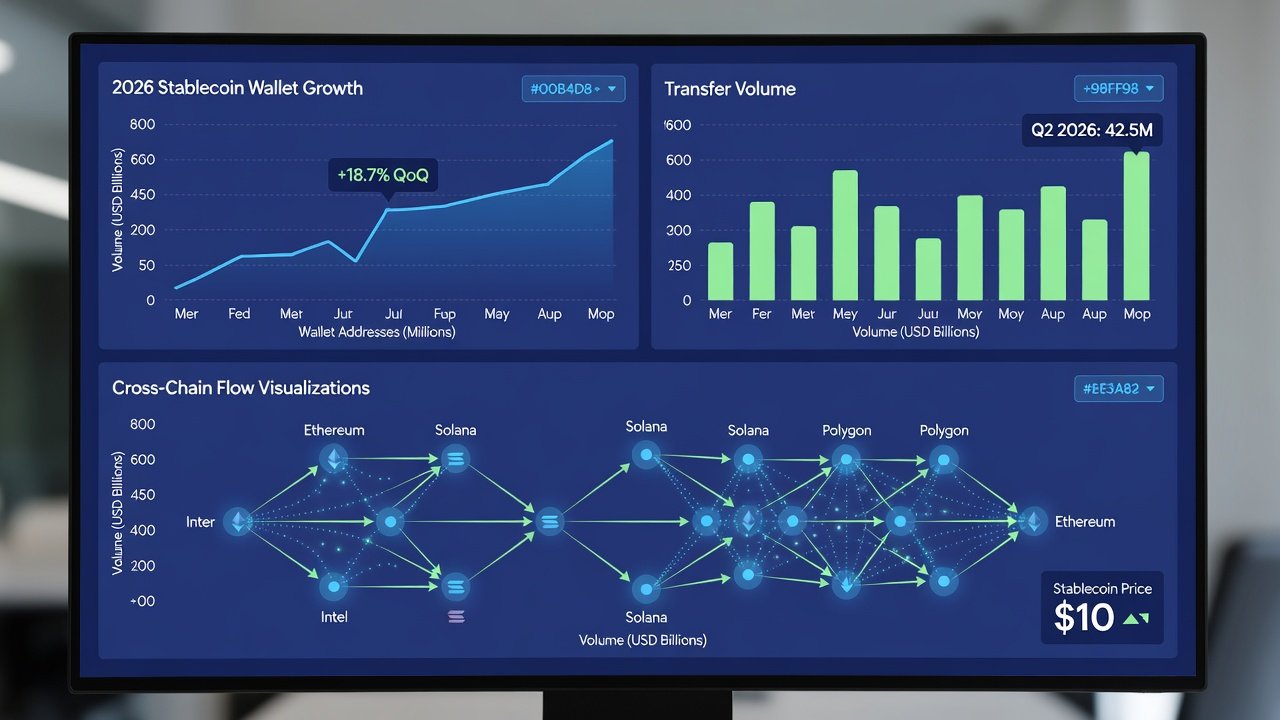
Cross-exchange flows expose arbitrage opportunities and liquidity migration patterns. Pull data from centralized exchange onchain deposits and withdrawals, then map them against DEX activity. Actionable steps include: 1) Identify hot wallet clusters associated with major exchanges. 2) Calculate net flow volumes over rolling 4-hour windows. 3) Overlay with price deviation metrics to detect stress. DeFi venues such as Aave and MakerDAO have demonstrated how flash redemption events propagate across chains when flows concentrate on single bridges. Additional analysis involves tracking bridge contract activity on Wormhole and Axelar to spot unusual stablecoin movements between ecosystems. In 2026, several events showed that concentrated outflows from one chain to another often preceded larger market repricings.
DefiLlama offers reliable dashboards for comparing stablecoin market caps and chain distributions in 2026. Complement this with Dune Analytics for custom query building and Etherscan for granular transaction tracing.
Essential Tools and Platforms for Onchain Analysis
Selecting the right toolkit accelerates stress testing efficiency. Primary platforms include Dune for SQL-based dashboards, Nansen for labeled wallet tracking, and Arkham for entity mapping. Free tiers often suffice for individual analysts, while paid subscriptions unlock API access for automated workflows. Integrate these with spreadsheet exports for deeper statistical modeling of historical stress periods. Practical tip: Build a master dashboard that pulls data from multiple sources into one view, updating every hour during calm markets and every five minutes during elevated volatility.
Building Custom Alerts for Early Warning Indicators
Custom alerts transform raw data into decision-useful intelligence. Configure notifications using platforms that support webhook integrations with onchain data providers. Recommended indicators: pool depth ratio drops, redemption queue length increases above baseline, and net exchange outflows exceeding 5% of circulating supply within 24 hours. Combine these with volatility filters to reduce false positives. Detailed implementation steps: First, define thresholds based on 90-day historical percentiles. Second, test alerts on past events to calibrate sensitivity. Third, route notifications through Slack or Telegram bots for team collaboration. Start with simple threshold alerts, then layer in machine-learning models for anomaly detection once baseline data accumulates over multiple market cycles. Analysts can also incorporate onchain governance signals, such as large votes on stablecoin-related proposals, as secondary confirmation layers.
Case Studies from 2026 Market Events
Examining specific 2026 incidents provides concrete learning. During a March liquidity squeeze on a major stablecoin, pools on Curve experienced 45% depth reduction within two hours, triggering automated alerts that allowed prepared participants to exit early. Another case on Tron highlighted how issuer reserve transparency differences affected redemption speeds compared to Ethereum counterparts. These examples underscore the value of multi-chain monitoring rather than single-ecosystem focus.
FAQ: Common Analyst Questions on Stablecoin Stress Testing
How frequently should liquidity checks occur?
High-frequency monitoring every 15 minutes during normal conditions, escalating to real-time during known event risks such as regulatory announcements.
Which chains provide the clearest redemption signals?
Ethereum and Tron currently deliver the strongest onchain visibility for major stablecoins, supplemented by emerging L2 data.
Can retail users perform meaningful stress tests?
Yes, by leveraging free public dashboards and focusing on a narrow set of three to five key pools rather than attempting comprehensive coverage.
What common mistakes lead to false stress signals?
Over-reliance on single metrics without cross-validation and ignoring seasonal liquidity patterns often generate unnecessary alerts.
Conclusion
Mastering stablecoin liquidity stress tests in 2026 requires disciplined onchain workflows, precise alert configuration, and continuous refinement of resilience signals. Analysts who adopt these practical steps position themselves to anticipate liquidity events rather than react after they unfold. Integrate the monitoring techniques outlined here into daily routines for sustained market edge, and regularly review historical case studies to refine thresholds as market structures evolve.
No comments yet. Be the first!