 CryptoChain Blog
Introduction to Stablecoin Mint and Burn Mechanics in 2026
Stablecoin mint and burn events represent the foundational mechanisms driving onchain tokenomics in 2026. These processes allow issuers to adjust circulating supply in response to market demand, directly impacting liquidity, price stability, and investor sentiment across decentralized finance ecosystems. Minting introduces new tokens backed by reserves, while burning removes them during redemptions, creating a dynamic balance that analysts monitor through transparent blockchain data. As institutional adoption grows, understanding these events becomes essential for professionals seeking to interpret supply signals accurately.
Real-time onchain analytics have evolved to capture granular details such as transaction timestamps, wallet interactions, and cross-chain transfers. This enables deeper insights into how events like large-scale mints correlate with broader market movements. For DeFi participants, mastering these mechanics supports better risk assessment and opportunity identification in volatile conditions.
Real-Time Event Tracking Across Major Issuers
Effective tracking begins with monitoring primary issuers including Tether for USDT and Circle for USDC. Events are logged on multiple blockchains, with Ethereum and Tron hosting the majority of activity due to high liquidity and developer activity. Analysts use blockchain explorers and specialized dashboards to filter transactions originating from authorized minting addresses controlled by these companies.
USDT mint events often follow reserve deposits, while burns align with user redemptions processed through the issuer's systems. USDC follows a similar but more attestation-heavy process, with monthly reports verifying backing assets. Cross-chain movements add complexity, as tokens bridged to networks like Solana or Polygon require separate monitoring to avoid fragmented views of total supply changes. Tools that aggregate multi-chain data help surface patterns such as synchronized mints across ecosystems during periods of heightened trading volume.
Practical implementation involves setting up queries for specific event signatures in smart contracts. This reveals not only the volume but also the timing relative to market events, providing early indicators of supply expansion or contraction.
Wallet Cohort Impacts and Price Stability Correlations
Wallet cohorts play distinct roles in absorbing or initiating mint-burn activity. Exchange-operated addresses typically receive large mints to facilitate trading pairs, while institutional wallets drive burns when executing large redemptions. Retail participants contribute through smaller, frequent transactions that can indicate shifting sentiment in DeFi protocols.
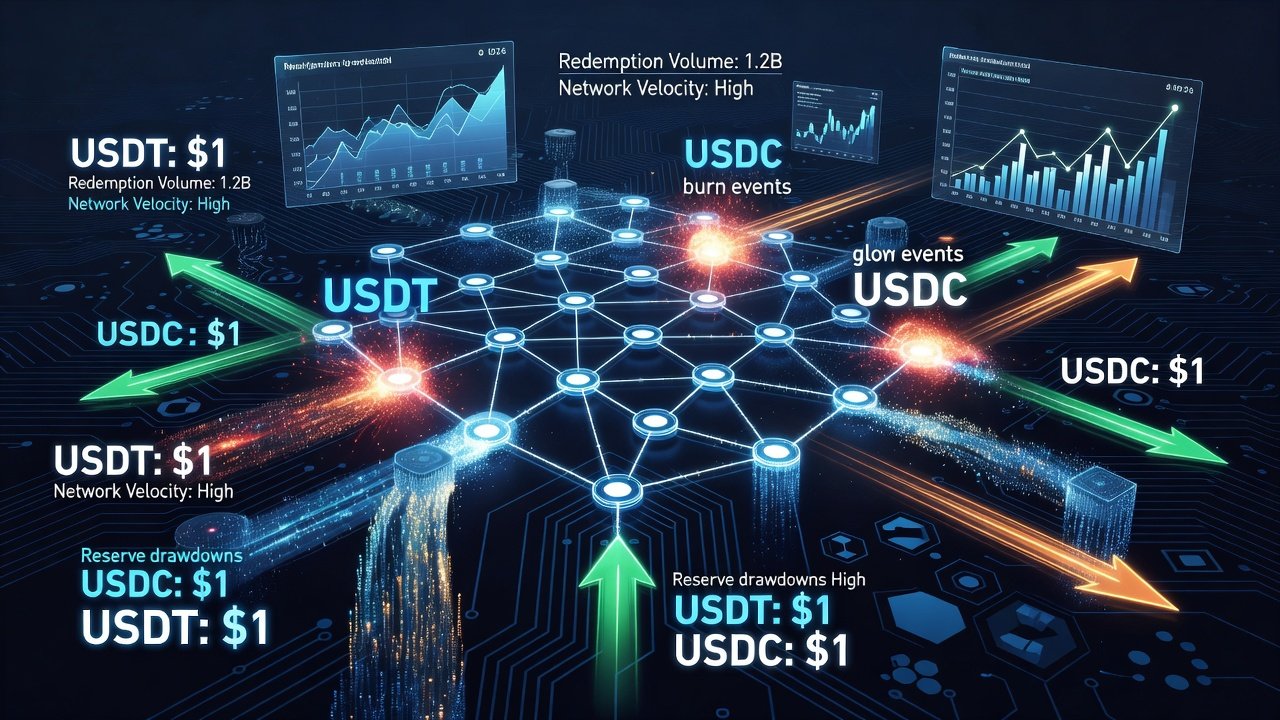
Price stability benefits from balanced mint-burn ratios. When mints exceed burns significantly during demand surges, peg maintenance improves as new supply meets market needs without excess volatility. Conversely, concentrated burns can signal capital outflows, prompting analysts to examine reserve health. Historical data from late 2025 demonstrated how coordinated burns on secondary chains helped stabilize USDC during brief market stress by reducing available supply in a controlled manner.
Correlations extend to velocity metrics, where high post-mint activity in DeFi lending pools suggests productive capital deployment rather than speculative holding.
Tether official resources and Circle's transparency reports supply foundational reserve data supporting these analyses.
Step-by-Step Workflow for Monitoring Issuance Patterns
- Establish connections to reliable onchain data providers and identify the exact contract addresses for each stablecoin across supported chains.
- Configure filters to capture only mint and burn transactions exceeding meaningful volume thresholds, excluding routine operational noise.
- Monitor designated issuer treasury wallets for incoming asset flows that typically precede mint authorizations.
- Track redemption queues by observing sequences of large burns paired with off-chain fiat movements reported by issuers.
- Map cross-chain transfers using bridge contract data to understand how liquidity migrates and affects overall supply distribution.
- Validate events against public issuer disclosures to confirm legitimacy and rule out anomalies.
This structured approach ensures comprehensive coverage and reduces false positives from unrelated contract interactions.
Case Studies on Major Mint-Burn Events
One prominent example involved a multi-hundred-million USDC mint on Ethereum in mid-2025, triggered by institutional treasury allocations. The event led to immediate distribution into liquidity pools on major decentralized exchanges, enhancing depth and supporting peg stability amid increased trading activity. Wallet cohort analysis showed rapid movement from issuer addresses to DeFi protocols rather than long-term holding.
Another case centered on USDT burns across Tron in early 2026, reflecting redemption demand from regions with regulatory shifts. These burns coincided with net outflows from exchange wallets, highlighting potential liquidity tightening. Analysts flagged the event due to its scale and timing relative to broader market conditions.
Red flags in such scenarios include burns without matching reserve attestations or mints appearing on chains lacking corresponding issuer activity. These patterns warrant deeper investigation into possible operational issues or market manipulation attempts.
Building Alerts and Integrating Data into Tokenomics Dashboards
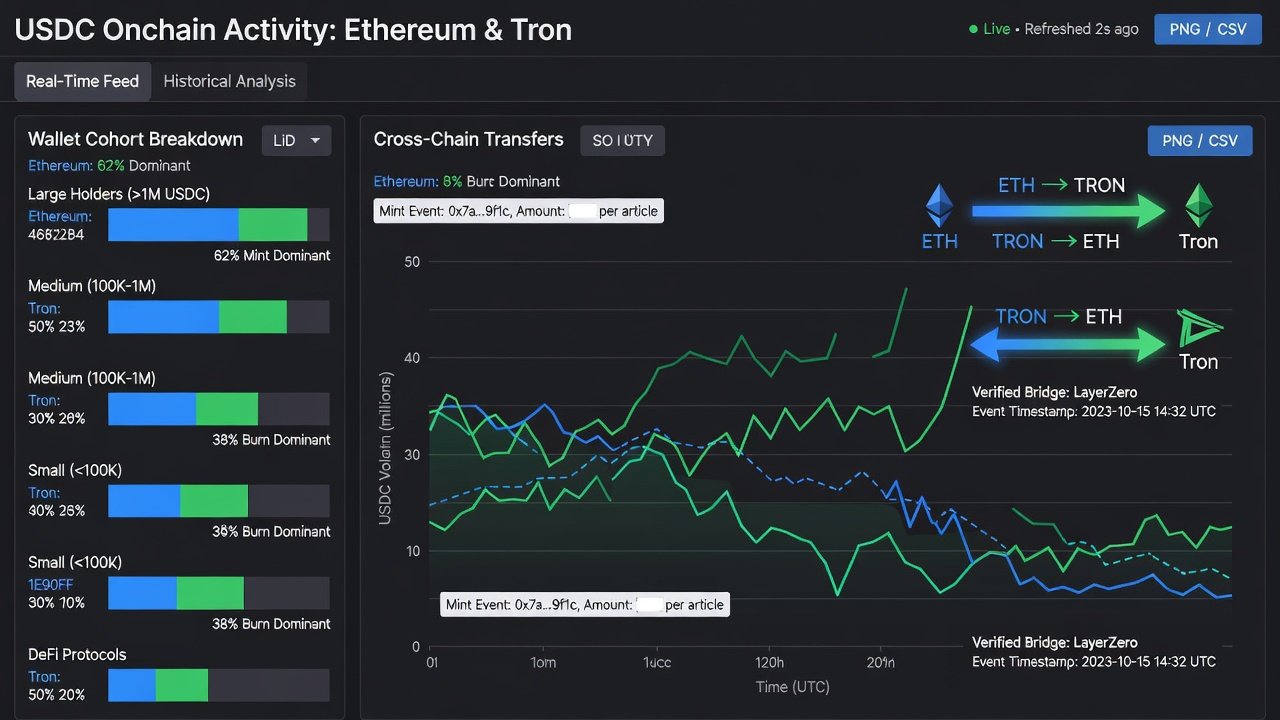
Custom alert systems rely on webhook integrations from analytics platforms to notify teams of threshold breaches, such as mint volumes surpassing typical daily averages. Integration with tokenomics dashboards involves API pulls of event data combined with visualizations for wallet flows and supply velocity.
Best practices include backtesting alerts against archived events to refine accuracy and incorporating governance signals from related protocols. Multi-chain aggregators prevent blind spots, while layered metrics like cohort-specific velocity add context beyond raw volumes.
Additional tips cover avoiding alert fatigue through tiered severity levels and regularly updating data sources as new chains gain stablecoin adoption. DeFiLlama stablecoin data serves as a reliable public reference for initial dashboard setups.
Identifying Red Flags and Common Mistakes to Avoid
Common pitfalls include overlooking cross-chain discrepancies or relying solely on single-source data without cross-verification. Analysts should watch for mismatched event volumes between onchain records and issuer reports, which may indicate reporting delays or errors.
Another mistake involves ignoring wallet age and behavior patterns, leading to misinterpretation of whether an event represents healthy growth or potential risk. Building robust workflows with multiple confirmation steps mitigates these issues effectively.
Conclusion
Comprehensive analysis of stablecoin mint and burn events in 2026 empowers DeFi professionals with precise tools for evaluating tokenomics. Through detailed tracking, cohort examination, structured workflows, and proactive alert systems, participants can better navigate supply dynamics while maintaining awareness of price stability factors and emerging risks.
No comments yet. Be the first!