 CryptoChain Blog
Introduction to Stablecoin Redemption Flows in 2026
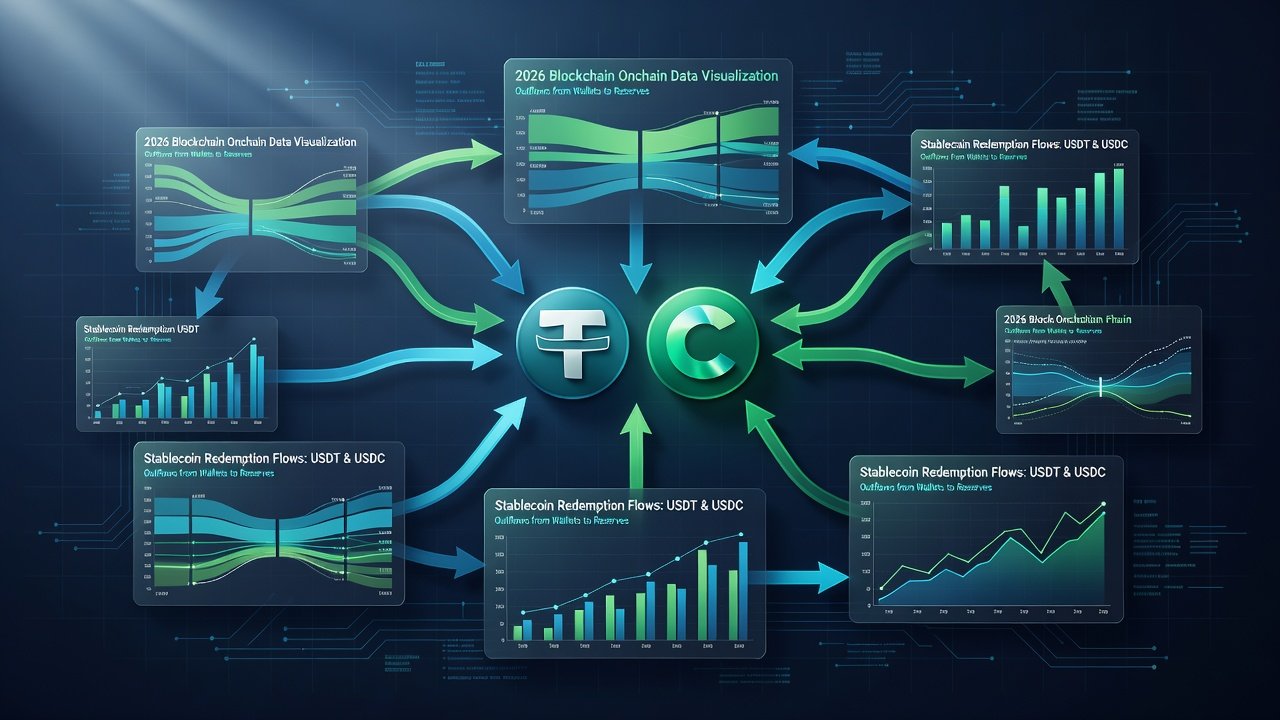
Stablecoin redemption flows represent a critical onchain signal for assessing token sustainability and market health. In 2026, with stablecoins like USDT and USDC dominating DeFi liquidity, monitoring these mechanics helps investors and analysts detect stress early. This guide provides step-by-step workflows using blockchain analytics to track outflows, reserve impacts, and velocity shifts during various market conditions.
Redemption occurs when holders exchange stablecoins for fiat or other assets through issuers. Onchain data reveals the scale and speed of these events, offering transparency beyond traditional finance reports. Understanding these flows allows DeFi participants to anticipate liquidity crunches, identify arbitrage setups, and evaluate the long-term viability of specific stablecoins in an increasingly regulated environment.
Understanding USDT and USDC Redemption Mechanics
Tether (USDT) and Circle (USDC) operate distinct redemption processes that manifest differently onchain. USDT redemptions often route through authorized platforms with minimum thresholds, typically involving transfers to designated custodian wallets before conversion to fiat. USDC emphasizes direct issuer interactions for verified entities, resulting in clearer onchain trails from treasury addresses.
Key differences include settlement speed and reserve backing verification. USDC provides regular attestations through independent auditors, whereas USDT focuses on broader collateral disclosures updated periodically. Tracking these via public ledgers helps identify arbitrage opportunities when redemption queues form during volatility spikes. For example, a large transfer from a major exchange wallet to the official USDC treasury contract on Ethereum often precedes a measurable reduction in circulating supply.
Both issuers maintain reserves in cash, short-term securities, and other assets. Onchain observers monitor the resulting burn transactions that reduce total supply after successful redemptions. These mechanics become especially important during macroeconomic shifts that increase demand for fiat equivalents.
Wallet Cohort Analysis for Redemption Tracking
Segmenting wallets by activity reveals redemption patterns across different user types. Large holders, often exchanges or institutions, trigger significant flows when redeeming substantial amounts. Retail cohorts show smaller, frequent movements that indicate broader sentiment shifts among everyday users.
- Identify treasury wallets via known issuer addresses on Ethereum, Tron, and emerging Layer-2 networks.
- Monitor exchange hot wallets for sudden outflows exceeding daily averages by more than 200 percent.
- Track dormant wallets reactivating with redemption-sized transfers, which frequently signal coordinated institutional activity.
- Analyze smart contract interactions where liquidity pools automatically route redemptions through bridges.
Tools like onchain explorers allow labeling cohorts and setting alerts for anomalies. Advanced users combine transaction graphs with labeling services to distinguish between organic redemptions and those driven by market makers adjusting positions.
Cross-Chain Redemption Patterns and Velocity Shifts
Stablecoins move across chains, with redemptions often originating on Ethereum but settling on Tron or Solana for lower fees. In stress events, velocity increases as users rush to exit positions, creating measurable spikes in transfer counts and average transaction sizes.
Cross-chain bridges amplify flows, requiring multi-chain monitoring to capture the full picture. Velocity metrics, calculated as transfer volume divided by supply over a rolling window, spike during redemptions and signal reduced holding confidence. Patterns observed in 2025 showed that Tron-based USDT redemptions frequently preceded Ethereum movements by several hours, providing early warning signals for analysts.
Practical Dashboards and Analytics Tools
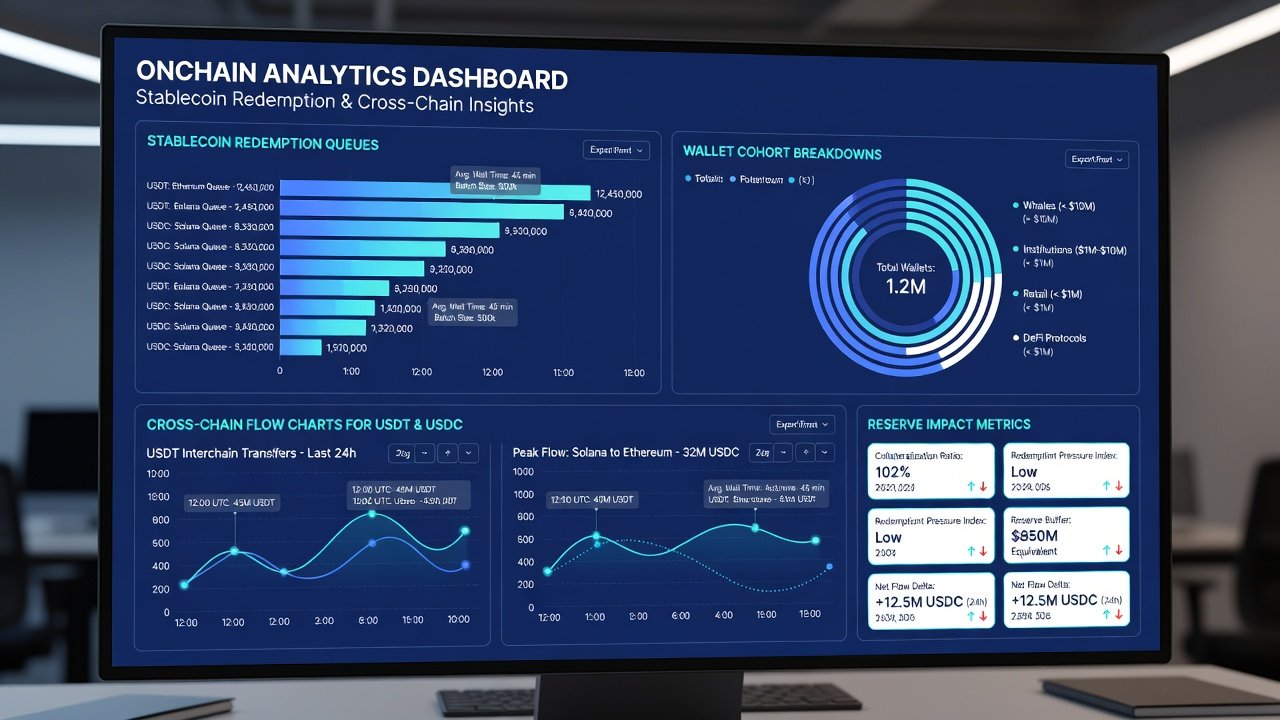
Build dashboards combining data from sources such as DefiLlama for stablecoin metrics and issuer sites like Circle. Include charts for reserve ratios, daily redemption volumes, and cohort breakdowns over multiple timeframes.
Step-by-step workflow begins with connecting wallet labels from public datasets. Next, query historical transfers using APIs or explorers such as Etherscan. Calculate net outflows by subtracting inflows from gross redemption activity, then overlay price deviation data to correlate onchain movements with market stress. Red-flag indicators include sustained outflows exceeding five percent of total supply within a week or mismatched reserve updates that lag behind onchain burns.
Users should also incorporate velocity trend lines and bridge volume comparisons. Custom alerts triggered by large treasury inflows help surface potential redemption queues before they fully materialize in public data.
Red-Flag Indicators and Sustainability Signals
Several onchain metrics serve as reliable warning signs. Persistent net outflows without corresponding reserve growth often precede depeg events. Another indicator is the concentration of redemption activity in a small number of wallets, suggesting coordinated pressure rather than organic demand.
Sustainability appears through balanced inflow-outflow ratios and transparent attestation updates. Monitoring the ratio of redeemed volume to total supply over 30-day periods provides a clear view of long-term health. When this ratio climbs above historical norms without macroeconomic justification, further investigation into reserve composition becomes necessary.
Case Studies from Recent Market Events
Examining past stress periods shows how redemption queues formed ahead of price deviations. During the March 2025 volatility episode, USDC experienced rapid outflows from institutional wallets on Ethereum that preceded a brief depeg below 0.995. Observers who tracked treasury inflows identified the pressure 18 hours before the deviation peaked.
USDT demonstrated greater resilience through diversified reserves and faster settlement on Tron. Large redemptions were offset by simultaneous minting activity from market makers, keeping velocity spikes contained. These examples highlight the value of real-time onchain surveillance for proactive risk management in DeFi portfolios.
Arbitrage Opportunities During Redemption Stress
Redemption flows frequently create short-term price dislocations between onchain markets and issuer redemption rates. Traders monitor the spread between secondary market prices and the one-to-one peg, entering positions when outflows exceed typical volumes. Successful strategies involve bridging assets to lower-fee chains before executing redemptions or providing liquidity in pools experiencing temporary imbalances.
Risk management requires careful timing and awareness of settlement delays. Onchain data helps quantify queue lengths by observing pending transfers to treasury addresses, allowing participants to avoid crowded exits.
Common FAQs on Interpreting Onchain Redemption Data
- How do I spot fake redemptions? Verify addresses against issuer lists and cross-reference with known treasury activity published on official channels.
- What indicates sustainability? Consistent inflows balancing outflows alongside transparent attestations and stable velocity metrics over extended periods.
- Which chains matter most? Ethereum for institutional flows, Tron for high-volume retail redemptions, and emerging Layer-2 solutions for cost-sensitive activity.
- How frequently should dashboards be updated? Real-time monitoring during high-volatility periods and daily reviews during stable market conditions.
- Can retail users access the same data as institutions? Yes, through public explorers and free analytics platforms, though premium labeling services provide additional granularity.
Conclusion
Mastering stablecoin redemption flows equips DeFi participants with actionable insights for 2026 tokenomics. By combining wallet analysis, cross-chain tracking, dashboard monitoring, and red-flag detection, users can better navigate risks and opportunities in the evolving stablecoin landscape. Regular review of onchain signals remains essential for informed decision-making and portfolio resilience.

No comments yet. Be the first!