 CryptoChain Blog
Introduction to Stablecoin Tokenomics in 2026
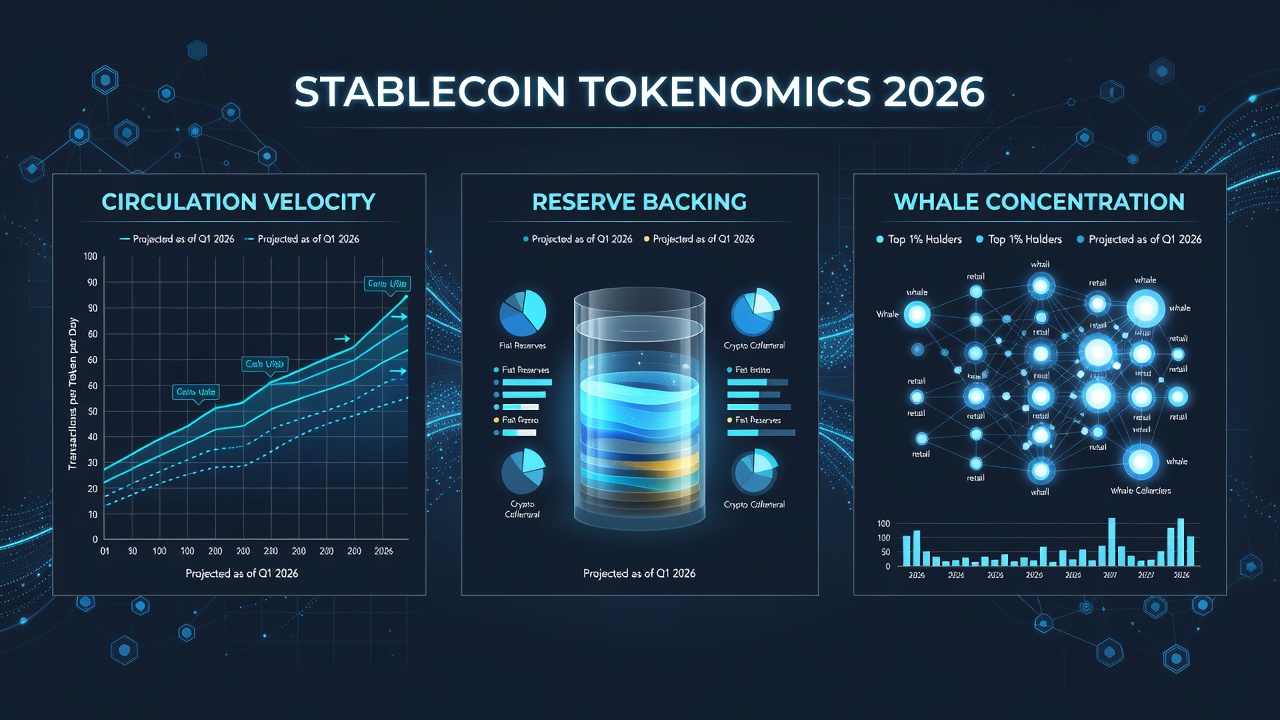
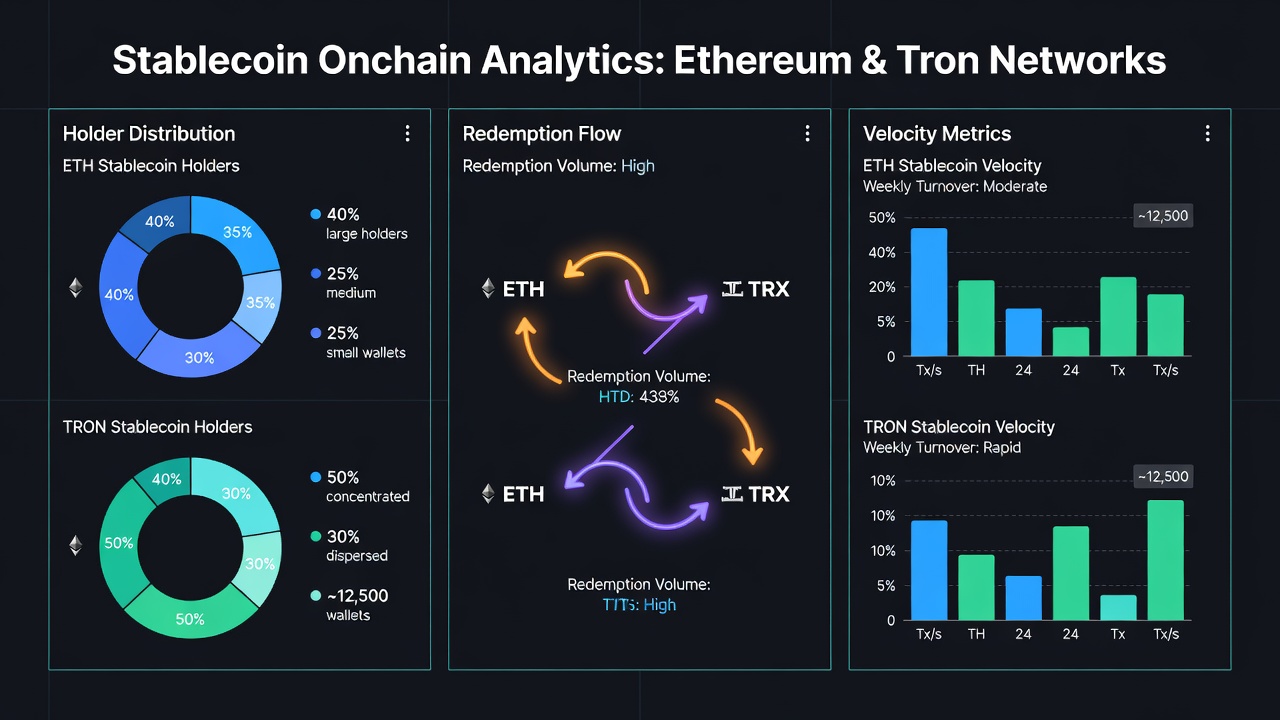
Stablecoins continue to serve as the backbone of decentralized finance, enabling seamless value transfer without the volatility inherent in assets like Bitcoin or Ethereum. As we move through 2026, onchain analytics provide unprecedented visibility into the underlying token economics, stability mechanisms, and emerging risks. This comprehensive breakdown leverages blockchain data to dissect circulation velocity, reserve backing verification processes, and whale holder concentration across major networks. DeFi users, traders, and analysts increasingly demand insights that extend far beyond headline supply figures or simple market cap rankings. Instead, they seek granular, actionable intelligence drawn from transaction graphs, smart contract interactions, and cross-chain flows. Understanding these dynamics helps participants anticipate peg stresses, evaluate collateral health, and optimize strategies in lending protocols, decentralized exchanges, and payment applications. The analysis draws on real-world examples from Ethereum and Tron, two dominant chains for stablecoin activity, while highlighting how different collateral models perform under varying market conditions.
Key Onchain Metrics for Token Economics
Effective tokenomics evaluation begins with a core set of onchain indicators. Circulation velocity quantifies the rate at which stablecoin units move through the economy, calculated as total transfer volume divided by average circulating supply over a defined window. Reserve backing verification combines public attestations with onchain proofs of collateral, allowing observers to assess whether issued tokens remain fully supported. Whale holder concentration measures the percentage of supply controlled by the largest wallets, often flagging potential systemic vulnerabilities. Additional metrics include redemption queue lengths, mint-burn imbalances, and oracle price deviation events. Together these form a dashboard for monitoring stability beyond traditional financial reporting. Analysts typically aggregate data from multiple block explorers and indexing services to cross-validate findings across chains.
Circulation Velocity Analysis
Velocity patterns in 2026 reveal distinct behaviors between networks. Ethereum-based stablecoins frequently display elevated velocity because of deep integration with DeFi primitives such as automated market makers and lending pools. In contrast, Tron-based issuances support high-frequency, low-cost transfers suited to remittance corridors in emerging markets. Spikes in velocity often precede or accompany periods of increased trading activity, while sustained low velocity may indicate accumulation by long-term holders or liquidity providers. Tools that parse raw transaction logs can surface velocity trends segmented by address type, separating exchange hot wallets from retail clusters. Monitoring these shifts helps identify whether stablecoin demand is organic or driven by temporary yield farming incentives.
Reserve Backing Verification Methods
Reserve verification has evolved into a hybrid discipline blending offchain audits with onchain transparency mechanisms. Fiat-collateralized issuers publish monthly attestations detailing cash, treasuries, and commercial paper holdings. Crypto-collateralized models rely on publicly auditable vault contracts that enforce minimum collateralization ratios through automated liquidations. Analysts cross-reference these reports against onchain movements of custodian addresses to detect discrepancies. For instance, unexpected outflows from attested reserve wallets can signal operational issues before they appear in formal disclosures. Best practices include subscribing to onchain alerts for large transfers involving known reserve contracts and reconciling them against published attestation dates. This layered approach reduces reliance on any single data source and surfaces potential mismatches quickly.
Fiat versus Crypto-Collateralized Comparisons
Fiat-collateralized stablecoins emphasize regulatory compliance and institutional-grade custody arrangements. On Ethereum they benefit from mature infrastructure for tokenized treasuries and permissioned minting, while Tron deployments prioritize speed and minimal fees for high-volume payment use cases. Crypto-collateralized alternatives introduce decentralized overcollateralization but expose users to liquidation cascades during sharp volatility. Ethereum's ecosystem supports sophisticated vault architectures with multiple collateral types and dynamic interest rates. Tron implementations tend toward simpler transfer-focused designs with fewer composability layers. Both models require ongoing vigilance regarding oracle reliability and smart contract upgrade risks. Ethereum documentation provides extensive resources on the standards that underpin these collateral systems. Likewise, Tron network resources outline throughput advantages that influence stablecoin velocity and adoption patterns.
Whale Holder Concentration Risks
Concentration metrics deserve particular attention because large single-entity holdings can amplify market stress. When a handful of addresses control more than 30-40 percent of supply, coordinated movements may trigger cascading effects on liquidity pools and redemption queues. Onchain clustering techniques help distinguish exchange custody wallets from individual whales, improving the accuracy of risk assessments. Historical episodes demonstrate that sudden whale-driven redemptions can strain reserves even when overall backing ratios appear healthy. Continuous tracking of top-holder distribution therefore forms an essential part of any onchain monitoring framework.
Case Studies of Major Stablecoins
USDT and USDC illustrate contrasting approaches to transparency and multi-chain deployment. Onchain data shows differences in redemption cadence, geographic flow patterns, and integration depth with lending protocols. DAI offers a live demonstration of crypto-collateral dynamics through publicly visible vault liquidations and stability fee adjustments. Additional case examples include newer entrants that combine hybrid collateral baskets, revealing how mixed backing influences velocity and concentration profiles. Each case underscores the importance of combining quantitative onchain signals with qualitative context from issuer communications.
Practical Steps for Tracking Redemption Flows
- Map issuer treasury and redemption contract addresses using verified public explorers and community-maintained label databases.
- Establish automated alerts for large inflows to redemption addresses, which often precede mint or burn events.
- Segment velocity calculations by address cohort to isolate retail versus institutional activity.
- Reconcile onchain burn events with published attestation schedules to confirm reserve adjustments.
- Monitor cross-chain bridge activity for stablecoin movements that may affect localized liquidity.
- Review historical redemption patterns during past stress events to calibrate current risk thresholds.
Common Pitfalls in Onchain Monitoring
- Overlooking multi-chain distributions that fragment visibility and create blind spots in supply tracking.
- Relying exclusively on onchain signals while neglecting offchain reserve composition details.
- Misinterpreting velocity spikes without accounting for temporary market events or incentive programs.
- Failing to adjust whale metrics for exchange custody wallets that do not represent single-entity control.
- Ignoring oracle latency or manipulation risks when evaluating crypto-collateralized models.
Frequently Asked Questions
How often should analysts refresh onchain stablecoin dashboards?
Daily monitoring of velocity and large transfers is advisable, with deeper reserve reconciliation performed weekly or immediately after major market moves.
What tools best support multi-chain stablecoin tracking?
Popular options include public blockchain explorers, indexing platforms, and specialized DeFi analytics suites that aggregate data across Ethereum, Tron, and additional networks.
Can onchain data alone confirm full reserve backing?
No. Onchain metrics must be combined with periodic third-party attestations and custodian disclosures for a complete picture.
Conclusion
Stablecoin tokenomics in 2026 require disciplined, multi-layered onchain analysis. By systematically examining circulation velocity, reserve health, and holder concentration, market participants gain the foresight needed to navigate DeFi opportunities and risks. Implementing the practical tracking steps outlined above, while avoiding common analytical pitfalls, supports more resilient participation in the evolving stablecoin landscape.


No comments yet. Be the first!