 CryptoChain Blog
Introduction to Token Burns in Modern Tokenomics
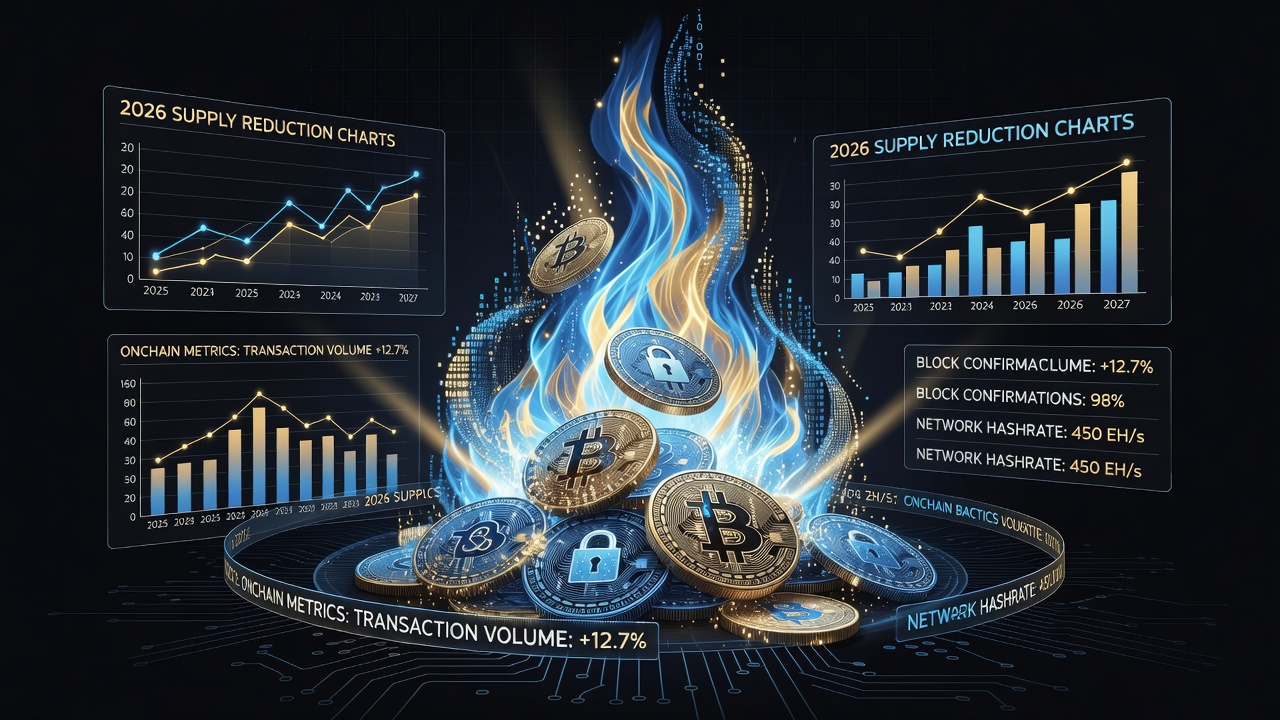
Token burns have evolved from simple supply reduction tactics into sophisticated mechanisms that influence investor sentiment, protocol sustainability, and long-term value accrual. In 2026, practitioners rely heavily on onchain data to evaluate how burns affect circulating supply, holder distribution, and market dynamics across ecosystems. This deeper examination reveals that burns are not merely cosmetic adjustments but integral components of token design that require rigorous monitoring and strategic planning.
The search for sustainable tokenomics has intensified as projects seek to differentiate themselves in competitive markets. By leveraging detailed onchain analytics, teams can quantify the precise impact of burns on scarcity metrics while anticipating shifts in holder behavior. This article provides comprehensive coverage, including expanded workflows, multiple project case studies, and decision frameworks that go far beyond introductory concepts.
Mechanics of Token Burns
Token burns permanently remove tokens from circulation, typically executed through smart contract functions that send assets to an unspendable address or destroy them via protocol-level logic. Common approaches include transaction fee burns, as seen in deflationary models, and scheduled burns tied to revenue or treasury allocations. These mechanisms often integrate with governance proposals, allowing communities to vote on burn parameters such as frequency and volume.
Implementation varies by chain. On Ethereum-compatible networks, burns frequently occur via ERC-20 transfer functions to a null address, while layer-1 solutions may embed burns directly into consensus rules. Understanding these mechanics requires familiarity with event logs and state changes, as each burn transaction updates the total supply variable in real time. Advanced strategies combine burns with buyback programs funded by protocol fees, creating layered deflationary effects that compound over multiple quarters.
Tracking Burns with Blockchain Analytics Platforms
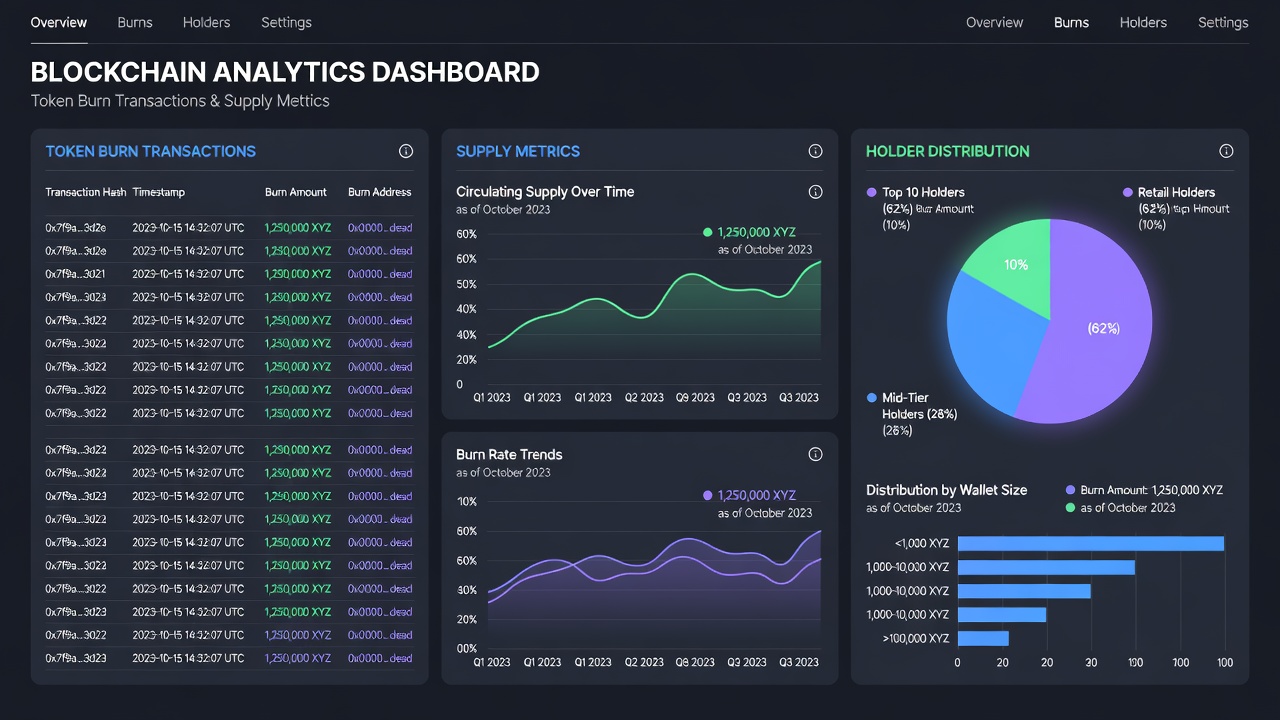
Onchain monitoring begins with explorers such as Etherscan or Solscan, where analysts filter for burn transactions by identifying specific contract events or destination addresses known as black holes. Advanced platforms aggregate this data into dashboards showing cumulative burns over time, burn-to-supply ratios, and velocity metrics. Custom scripts using APIs from providers like Alchemy or Moralis enable automated alerts when burn thresholds are crossed.
Practitioners often combine multiple sources to verify authenticity, cross-referencing transaction hashes with protocol documentation. This approach reveals patterns like seasonal burn spikes or correlations with trading volume. For deeper insights, integration with data visualization tools allows teams to overlay burn data against macroeconomic indicators, providing context for whether burns are driving organic demand or merely masking issuance pressures. DeFiLlama serves as a reliable starting point for cross-protocol burn comparisons.
Effects on Supply Metrics and Holder Behavior
Burns compress circulating supply, which can amplify price sensitivity to demand shifts. Onchain data frequently shows increased holder retention following major burns, as reduced supply signals commitment from project teams. Wallet clustering analysis often reveals that burns targeting team or investor allocations lead to more decentralized ownership distributions over subsequent months.
Holder behavior analysis includes tracking wallet concentration post-burn. Reduced supply often leads to steadier distribution if burns target large treasuries, mitigating whale dominance risks. Conversely, poorly timed burns may trigger sell pressure if perceived as desperate measures. Behavioral metrics such as average holding duration and transfer frequency provide additional signals; longer holding periods post-burn typically indicate stronger conviction among remaining participants.
Real-World Project Examples
Several protocols demonstrate mature burn strategies. Binance Coin implements quarterly burns based on trading volume, with transparent onchain reporting that allows holders to forecast future supply reductions accurately. Ethereum's EIP-1559 mechanism burns base fees continuously, creating a dynamic deflationary pressure that scales with network activity. Ethereum Foundation resources detail these mechanics extensively.
Other examples include BNB Chain's auto-burn contracts and various DeFi protocols that allocate protocol fees to burns. MakerDAO incorporates periodic burns tied to stability fees, demonstrating how burns can stabilize peg mechanisms in lending protocols. Additional case studies from projects like Shiba Inu and Cronos highlight both successful implementations and challenges when burns lack integration with utility features. These cases illustrate that the most effective burns align with revenue generation rather than arbitrary schedules.
Step-by-Step Analysis Workflow
Follow this expanded checklist for rigorous onchain burn evaluation:
- Identify the burn address or function signature in the protocol's verified contracts and document any governance controls over burn parameters.
- Query historical transaction data for burn events over at least 12 months, segmenting by burn type such as fee-based versus treasury-based.
- Calculate burn rate as a percentage of total supply and compare against issuance rates to derive net deflationary impact.
- Analyze holder distribution changes using clustering tools to detect concentration shifts and simulate future scenarios under different burn intensities.
- Correlate burns with onchain activity metrics like active addresses, transfer volumes, and staking participation rates.
- Model scenarios for future supply under varying burn intensities, incorporating external factors such as token unlocks and ecosystem growth projections.
- Validate findings against community governance forums and official documentation to ensure alignment with stated tokenomics goals.
This workflow ensures comprehensive coverage and reduces the risk of overlooking secondary effects on liquidity or governance participation.
Comparisons of Burn Impacts Across Ecosystems
Ethereum burns tend to be usage-driven and variable, suiting high-throughput networks where activity levels directly influence deflation rates. In contrast, fixed-schedule burns on chains like BNB offer predictability but less responsiveness to demand fluctuations. Solana-based projects often combine burns with staking incentives, creating hybrid effects on holder engagement that reward long-term participation.
Comparative analysis across ecosystems shows that chains with transparent, automated burns exhibit stronger long-term holder confidence, while discretionary burns require careful governance oversight to avoid manipulation concerns. Layer-2 solutions introduce additional complexity, as burns may occur at both settlement and execution layers, necessitating multi-chain tracking approaches. Projects operating across multiple ecosystems benefit from standardized reporting frameworks that normalize burn data for apples-to-apples comparisons.
Common Pitfalls and FAQ
What data sources provide the most reliable burn tracking?
Primary sources include native blockchain explorers supplemented by aggregators like Dune Analytics for custom queries. Always validate against official protocol repositories and consider cross-referencing with Dune Analytics for community-built dashboards.
How do burns interact with token unlocks?
Burns can offset unlock-related dilution, but analysts must model net supply changes rather than isolated burn figures to avoid overestimating scarcity effects. Timing alignment between unlocks and burns is critical for maintaining market stability.
Can burns be reversed?
Standard burns are irreversible by design. Any claimed reversibility indicates a different mechanism, such as temporary locking, not a true burn.
What metrics beyond supply should be monitored post-burn?
Key additional metrics include liquidity depth, trading volume velocity, and governance participation rates, as burns can indirectly influence these areas through changed holder incentives.
How should teams communicate burn events to avoid misinterpretation?
Transparent, data-backed announcements that include onchain proof and forward-looking projections help maintain trust and prevent speculative volatility.
Conclusion
Effective token burn strategies in 2026 demand data-driven scrutiny and ongoing refinement. By mastering onchain workflows, understanding behavioral impacts, and studying diverse project examples, practitioners can design tokenomics that deliver genuine sustainability rather than superficial scarcity signals. Continuous monitoring and adaptive governance remain essential for long-term success in evolving blockchain environments.
No comments yet. Be the first!