 CryptoChain Blog
Introduction to Token Incentives in Web3 Streaming
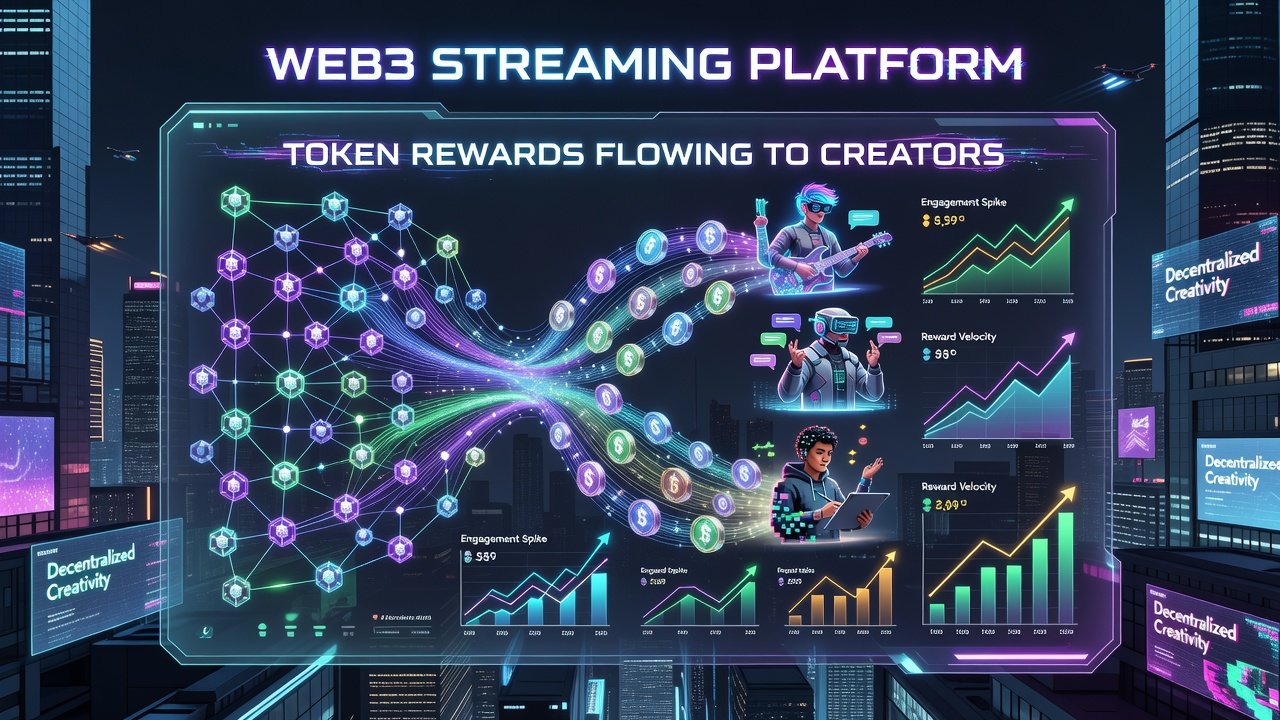
Web3 streaming platforms are transforming how creators monetize content through decentralized token systems. In 2026, effective token incentive models are key to platform growth, focusing on acquisition, retention, and sustainable tokenomics. This analysis compares top approaches across leading protocols, drawing on real-world mechanics for creators and developers seeking monetization strategies. The shift from traditional centralized platforms to blockchain-based ecosystems allows direct value transfer between audiences and creators without intermediaries, fostering greater transparency and ownership. As decentralized infrastructure matures, token incentives have become essential tools for bootstrapping network effects, encouraging consistent participation, and aligning stakeholder interests over the long term.
Comparing Retention and Acquisition Tactics
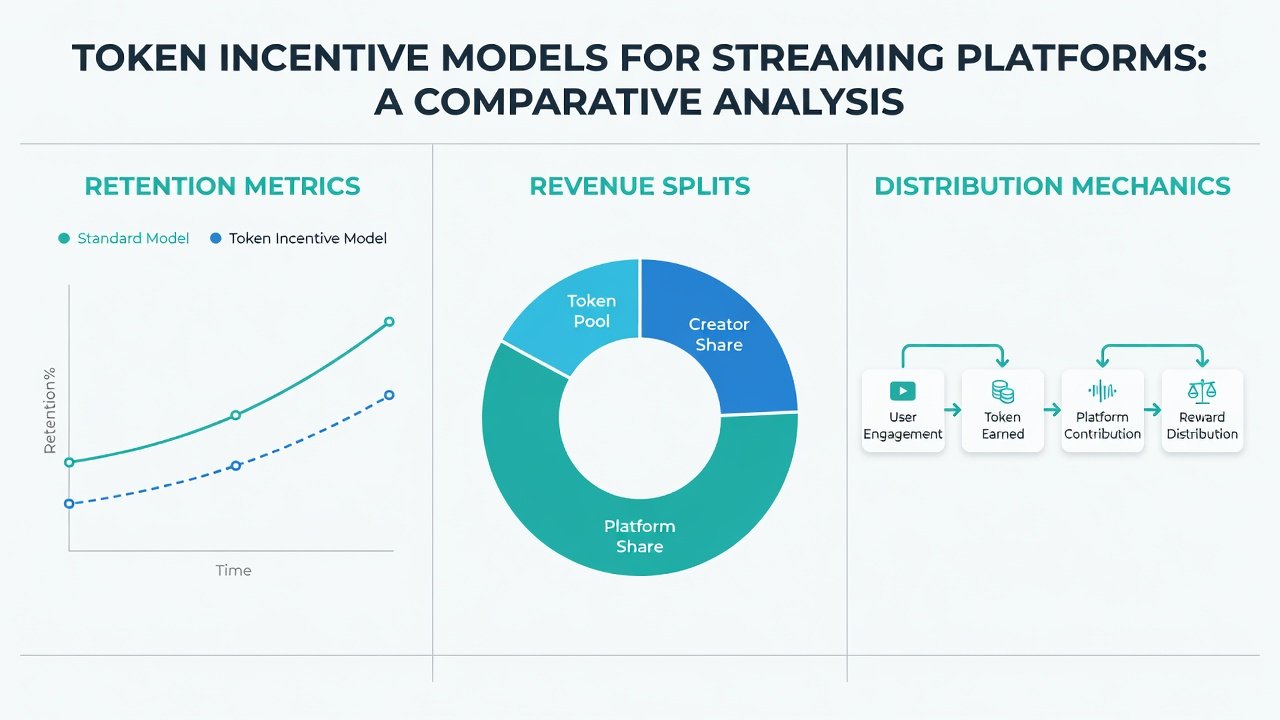
Leading protocols use staking rewards, governance tokens, and loyalty NFTs to drive engagement. Retention tactics often involve tiered rewards based on watch time and interaction, while acquisition relies on referral airdrops and onboarding bounties. For instance, one model emphasizes linear token distribution for consistent viewing, contrasting with exponential rewards for high-engagement users. Protocol comparisons reveal that hybrid models combining both approaches often outperform pure variants. Retention-focused systems prioritize ongoing utility such as access to exclusive content or voting rights, reducing churn rates significantly. Acquisition tactics leverage viral loops where new users earn tokens for inviting others, creating rapid user base expansion in competitive markets.
Key Differences in Model Effectiveness
Linear models provide predictable earnings that appeal to casual viewers, leading to steady but moderate growth. Exponential structures reward power users more aggressively, which can accelerate initial traction but risks uneven distribution. Data from 2026 deployments shows hybrid systems achieving balanced outcomes across diverse user segments. These comparisons help platforms select models aligned with their target demographics and growth stage.
Case Studies of Creator Revenue Splits and Metrics
Protocol A allocates 60% of revenue to creators via automated smart contracts, achieving 45% higher retention rates through weekly token unlocks. Protocol B uses dynamic splits adjusted by community votes, reporting 30% better user acquisition in Q3 2026 benchmarks. These examples highlight blockchain distribution via layer-2 solutions for low-fee transfers. In one detailed case, creators on Protocol A saw average monthly earnings increase steadily due to transparent on-chain reporting that builds trust. Protocol B demonstrated how governance participation boosts loyalty, with engaged creators contributing to platform improvements that further attract audiences.
Additional Protocol Examples
Protocol C implements revenue shares that scale with creator milestones, such as reaching certain subscriber thresholds. This encourages long-term commitment and has led to higher-quality content production. Metrics indicate improved engagement when splits are visible and adjustable in real time through decentralized applications.
Blockchain Distribution Mechanics Explained
Distribution occurs through ERC-20 tokens on Ethereum-compatible chains, with vesting schedules to prevent dumps. Protocols integrate oracles for real-time engagement tracking, ensuring transparent payouts. Ethereum provides the foundational standards for these smart contracts. Additional layers such as optimistic rollups reduce costs and increase throughput, enabling seamless micro-transactions that reward small actions like comments or shares. Vesting periods typically span several months to years, aligning incentives with sustained platform health rather than short-term speculation.
Integration with Oracles and Analytics
Oracles pull verified data from streaming sessions to trigger token releases automatically. This automation minimizes disputes and enhances user confidence. Platforms also employ on-chain analytics dashboards that allow creators to forecast earnings based on projected engagement levels.
Practical Setup Steps for Implementation
- Define token utility and total supply aligned with platform goals, including detailed whitepaper documentation and community feedback rounds.
- Deploy smart contracts for staking and rewards using audited templates from established frameworks to minimize vulnerabilities.
- Integrate wallet connections and analytics dashboards for creators, ensuring seamless user experience across mobile and desktop interfaces.
- Test incentive triggers with beta users before full launch, iterating based on qualitative feedback and quantitative performance data.
- Monitor on-chain metrics and adjust parameters quarterly, incorporating governance proposals for ongoing optimization.
Each step requires careful planning around security audits and regulatory considerations to ensure compliance across jurisdictions.
Tokenomics Benchmarks and Pitfalls to Avoid
Successful benchmarks include 20-40% of tokens allocated to incentives with clear utility. Common pitfalls are over-issuance leading to inflation and ignoring regulatory compliance. Avoid concentrating rewards among whales by implementing caps and progressive vesting. Another frequent error involves neglecting liquidity provisions, which can cause volatile token prices that undermine incentive value. Platforms should also establish clear communication channels to educate users on token mechanics, reducing confusion that leads to early exits.
Advanced Benchmarking Practices
Regular audits of token velocity and holder distribution provide early warnings of imbalances. Comparing against industry standards helps identify when adjustments are needed before problems escalate.
Audience Targeting for Creators and Developers
Creators targeting niche communities benefit from personalized airdrops, while developers focus on interoperable standards for cross-platform growth. Strategies include segmenting users by engagement level to optimize spend on high-ROI segments. For example, micro-influencers in specific genres respond well to targeted NFT badges that unlock premium features. Developers benefit from modular toolkits that allow easy integration of incentive layers into existing applications, accelerating time to market.
Conclusion
Token incentive models will continue evolving in 2026, rewarding those who balance acquisition with long-term retention. By studying these comparisons and following structured implementation, platforms can achieve scalable decentralized growth. The most successful initiatives combine technical robustness with user-centric design, creating virtuous cycles of participation and value creation.
FAQs on Scaling Incentives and Measuring ROI
How do I scale incentives without diluting value?
Implement deflationary mechanisms like token burns tied to usage volume and monitor supply metrics regularly through transparent dashboards.
What metrics best measure ROI in decentralized setups?
Track token velocity, retention cohorts, and on-chain transaction volumes for accurate assessment, supplemented by off-chain surveys for qualitative insights.
How can creators optimize their participation in these models?
Focus on consistent content schedules, engage actively in governance, and diversify across multiple protocols to mitigate risks associated with single-platform dependency.
What common challenges arise when measuring decentralized ROI?
Challenges include attributing value across multiple touchpoints and accounting for token price fluctuations, which can be addressed through standardized reporting frameworks.


No comments yet. Be the first!