 CryptoChain Blog
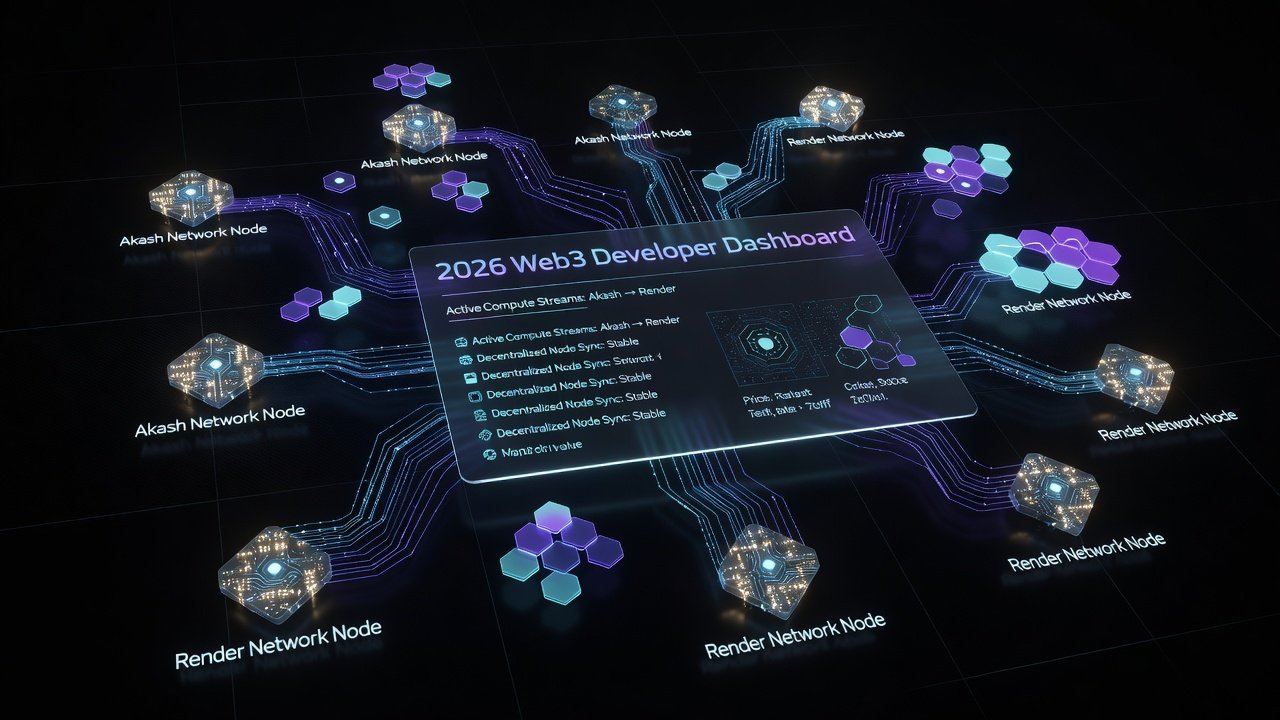
Introduction to Decentralized Compute in 2026 Web3 Ecosystems
As Web3 applications continue to scale rapidly in 2026, developers encounter increasing challenges when relying solely on centralized cloud providers for compute resources. Issues such as high costs, vendor lock-in, and potential censorship make decentralized alternatives more appealing. Networks like Akash and Render provide permissionless, blockchain-aligned solutions that enhance scalability while maintaining the core principles of decentralization. This comprehensive guide explores practical integration methods for these networks into Web3 dApps, focusing on better performance and cost efficiency for developers building the next generation of decentralized applications.
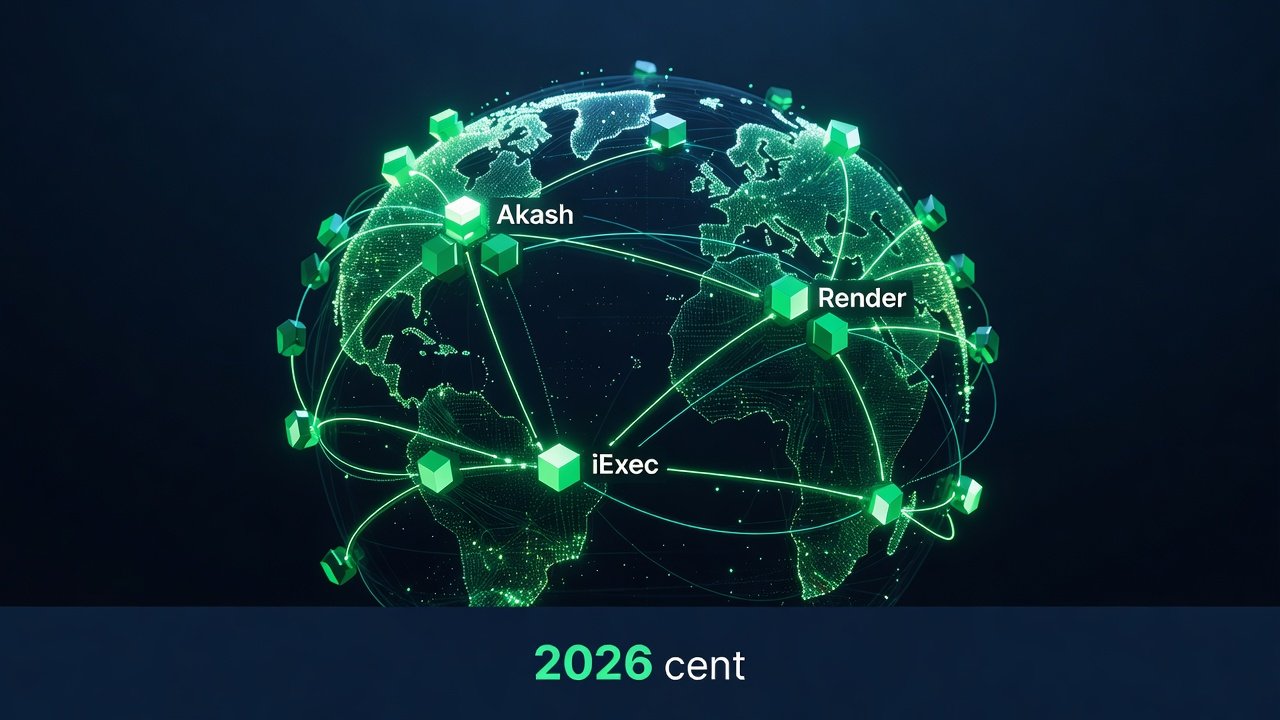
Decentralized compute enables dApps to distribute workloads across a global network of providers, reducing single points of failure and improving resilience. With the growth of AI-integrated dApps and metaverse platforms, demand for GPU and CPU resources has surged. By adopting these networks early, teams can future-proof their infrastructure against centralized outages and benefit from competitive pricing driven by market dynamics rather than corporate pricing models.
Understanding Akash and Render Networks
Akash functions as an open marketplace for cloud compute where anyone can offer or lease unused server capacity through smart contracts on its blockchain. This creates a truly decentralized cloud environment suitable for general-purpose workloads including backend APIs, databases, and microservices. Render, on the other hand, specializes in GPU-accelerated tasks such as 3D rendering, video processing, and machine learning inference, making it ideal for creative and AI-heavy Web3 projects.
Both platforms leverage native tokens to facilitate payments and incentivize providers. Developers benefit from transparent economics where supply and demand dictate rates. Integration requires familiarity with their respective APIs and deployment workflows, which are designed to be compatible with common Web3 tech stacks including Ethereum-compatible smart contracts and frameworks like Hardhat or Foundry.
Step-by-Step Setup for Akash Integration
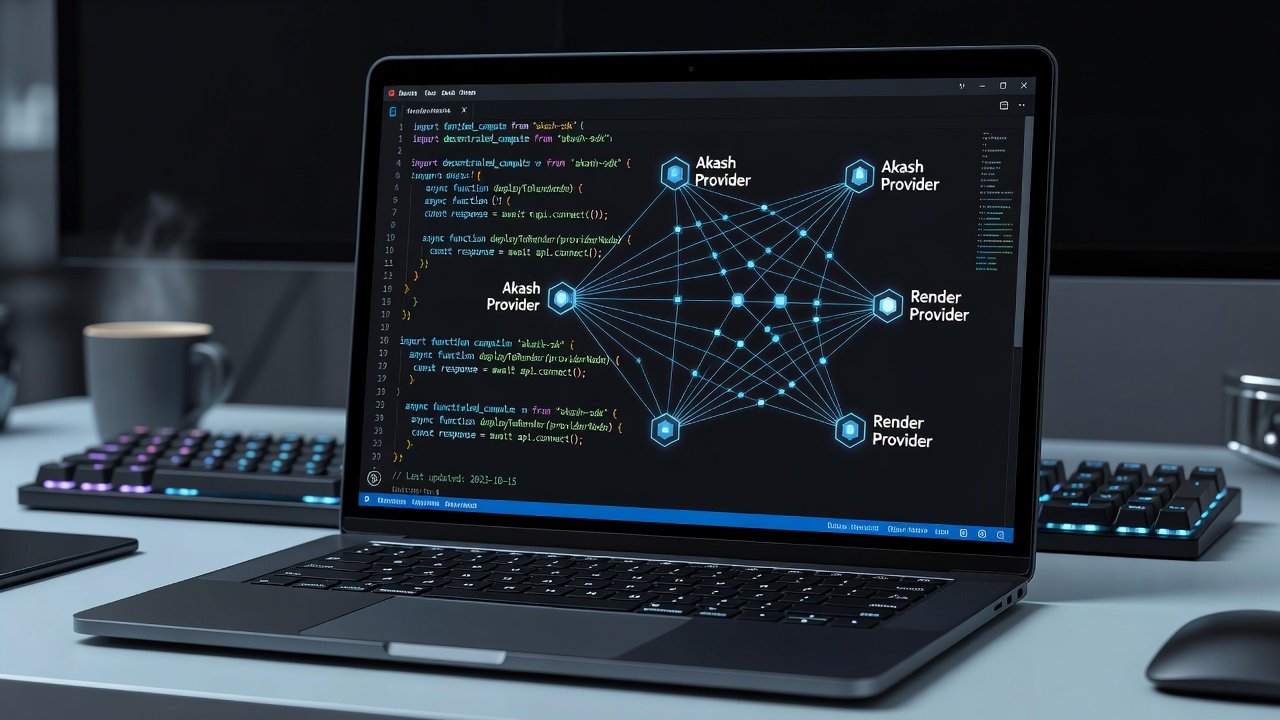
Begin the integration by installing the Akash command-line interface and generating a secure wallet. Create a deployment manifest in YAML that defines resource requirements such as CPU cores, memory allocation, and persistent storage. Once the manifest is ready, submit it via the CLI to initiate bidding from providers.
akash tx deployment create deploy.yaml --from mywallet --node https://rpc.akash.network:443 --chain-id akashnet-2After selecting a suitable lease, expose your dApp services through ingress configurations and update application environment variables to route requests to the Akash-hosted endpoints. Test thoroughly with automated scripts before directing live traffic. For ongoing management, implement health checks and auto-scaling logic within your application code.
Render Network Integration Process
Render integration starts with setting up an account through their decentralized platform and obtaining API credentials tied to your wallet. Submit compute jobs using their SDK, specifying parameters like GPU model, job duration, and input data locations. Webhooks notify your dApp when jobs complete, allowing seamless updates to on-chain states or user interfaces.
Wrap Render calls inside your existing task orchestration system, such as a message queue powered by RabbitMQ or blockchain event listeners. This approach ensures that compute-intensive operations like NFT metadata generation or real-time simulations run efficiently without burdening your primary servers.
Token Economics Comparison
Akash utilizes the AKT token for all marketplace transactions, with dynamic bidding allowing users to set maximum prices per deployment. Providers earn AKT through successful leases and staking rewards. Render employs the RNDR token for job payments, incorporating staking mechanisms that offer discounts to frequent users while securing the network against spam. Comparing the two reveals that Akash suits variable, general workloads with lower entry barriers, whereas Render provides predictable costs for sustained GPU usage. Both systems promote long-term network health through token incentives that encourage honest participation and capacity expansion.
Performance Benchmarks Versus Centralized Options
Benchmarks conducted throughout 2026 demonstrate that decentralized compute networks achieve competitive results against traditional clouds. For geographically distributed dApps, Akash and Render often deliver 15-30% lower latency by routing jobs to nearby providers. Uptime metrics frequently exceed 99.5% due to redundancy across hundreds of independent nodes. While centralized providers may offer faster single-node execution for certain CPU tasks, decentralized options shine in fault tolerance and resistance to regional disruptions. Developers should run their own workload-specific tests to quantify gains in throughput and cost per compute hour.
Real dApp Case Studies Demonstrating Latency Gains
One prominent decentralized social media dApp migrated its content moderation and image processing pipelines to Render. Post-migration measurements showed average API response times decreasing from 420 milliseconds to 310 milliseconds for users across multiple continents. Another example involves a DeFi analytics platform that shifted oracle data calculations to Akash. The project reported 99.8% uptime over a six-month period, along with a 40% reduction in monthly infrastructure expenses compared to previous centralized hosting. These cases highlight how careful provider selection and manifest optimization translate directly into measurable user experience improvements.
Choosing Between Akash and Render Based on Workload
Evaluate your dApp requirements before committing to one network. CPU-bound services such as authentication servers or lightweight APIs perform best on Akash due to abundant low-cost providers. GPU-intensive operations including model training, video transcoding, or complex visualizations benefit from Render's specialized hardware marketplace. Many production dApps adopt a hybrid strategy, routing different microservices to the most suitable platform while maintaining a unified monitoring layer.
Common Pitfalls and Security Considerations
- Insufficient monitoring of lease utilization can result in unexpected overages during traffic spikes.
- Selecting unvetted providers increases the risk of intermittent downtime or data leakage.
- Omitting encryption for job payloads exposes sensitive user data during transmission and execution.
- Hardcoding provider endpoints without fallback mechanisms reduces overall system resilience.
Implement defense-in-depth strategies including end-to-end encryption, regular smart contract audits, and multi-signature controls for deployment changes. Maintain isolated environments for testing new provider configurations and log all compute interactions for compliance and debugging purposes.
Migration Checklist from Traditional Cloud Services
- Inventory all current workloads and classify them by resource type and sensitivity.
- Deploy a non-critical module on a decentralized network using test tokens to validate connectivity.
- Establish comprehensive monitoring with Prometheus and Grafana dashboards tracking latency, cost, and uptime.
- Modify CI/CD pipelines to support parallel deployments across centralized and decentralized targets.
- Perform comparative load testing under simulated peak conditions.
- Document detailed rollback procedures and conduct team training sessions on decentralized tooling.
- Gradually shift traffic percentages while observing real-user metrics before completing the transition.
Integrating with Smart Contracts and On-Chain Triggers
Decentralized compute becomes even more powerful when tightly coupled with smart contracts. Use events emitted from Ethereum or other L2 contracts to automatically trigger Akash or Render jobs. For instance, an NFT minting contract can emit an event that your off-chain worker listens to, initiating a Render job for generative artwork. Results are then verified and stored via IPFS before being referenced on-chain. This pattern minimizes trust assumptions and creates fully autonomous dApp workflows.
Monitoring, Optimization, and Future Outlook
Continuous optimization involves analyzing job completion times and adjusting manifest parameters or SDK configurations accordingly. Tools that aggregate metrics across providers help identify the most reliable and cost-effective nodes. Looking ahead, 2026 and beyond will likely see increased interoperability between compute networks and emerging layer-2 solutions, further lowering barriers for mainstream Web3 adoption.
FAQs on Decentralized Compute Migration
How long does a typical integration project take? Most development teams complete an initial proof-of-concept within two weeks and achieve full production migration within four to eight weeks when using structured checklists and incremental rollouts.
Are there compatibility concerns with existing smart contracts? Compute operations occur entirely off-chain, so direct conflicts are rare. However, your integration layer must correctly handle asynchronous responses and potential job retries.
What occurs during periods of high network demand? Bidding mechanisms automatically allocate resources to the highest-paying jobs. Setting explicit price caps in your deployment manifests prevents runaway costs.
Can multiple networks be used simultaneously? Hybrid architectures combining Akash for general compute and Render for GPU tasks are increasingly common and recommended for complex, multi-faceted dApps.
Conclusion
Integrating decentralized compute represents a strategic move for Web3 developers seeking scalable, cost-effective infrastructure in 2026. Following the detailed processes, comparisons, benchmarks, and checklists outlined above enables teams to migrate successfully while avoiding common pitfalls. Begin with small-scale pilots on Akash Network and Render Network, gather performance data, and expand confidently. Additional resources on secure Web3 development practices are available at Ethereum.org and MDN Web Docs. This approach positions your dApps for sustainable growth in the evolving decentralized web.
No comments yet. Be the first!