 CryptoChain Blog

Introduction to Token-Gated Web3 Communities
In 2026, token-gated communities represent a powerful evolution in creator monetization within the decentralized web. These exclusive spaces use blockchain-based tokens to control access, allowing creators to build loyal audiences while generating sustainable revenue directly from fans. Unlike traditional subscription models, Web3 approaches leverage ownership, royalties, and programmable access rules that automatically enforce membership without centralized gatekeepers.
This comprehensive guide explores practical implementation, covering dynamic NFT royalties, smart contract configurations, platform integrations with Discord and custom dApps, security considerations, scalability planning, and real-world case studies. Creators seeking innovative revenue streams will find actionable steps, comparisons of token standards, and decision frameworks to launch and scale these communities effectively while navigating the latest Web3 trends and innovations.
Understanding Token Standards for Access Control
Several token standards power token-gated systems in 2026. ERC-721 remains popular for unique NFTs that serve as one-time access passes with built-in scarcity. ERC-1155 offers flexibility with semi-fungible tokens, enabling both unique and batch access rights at reduced deployment costs. Newer standards like ERC-6551 extend functionality by turning NFTs into smart contract accounts with embedded logic for dynamic permissions.
Comparisons show ERC-721 excels in scarcity-driven monetization and high perceived value for collectors, while ERC-1155 supports tiered memberships at lower gas costs and better scalability for large communities. ERC-20 can supplement gating for fungible utility tokens that grant time-limited access. Creators should evaluate based on community size, desired exclusivity levels, and integration complexity with existing wallets.
- ERC-721: Ideal for premium, limited-edition memberships with strong secondary market royalties.
- ERC-1155: Best for multi-tier access where users hold multiple token types.
- ERC-6551: Enables advanced features like on-chain voting or nested sub-memberships.
Setting Up Smart Contracts for Dynamic Royalties
Dynamic NFT royalties allow creators to earn ongoing fees from secondary sales and access renewals, creating passive income streams. Begin by deploying a contract on Ethereum or compatible Layer-2 networks using tools like Remix or Hardhat. Include royalty logic via the EIP-2981 standard for broad interoperability across marketplaces.
Key steps include: defining access modifiers in the contract code, integrating with token metadata for real-time gating queries, setting royalty percentages that adjust based on sale volume, and thoroughly testing royalty splits before mainnet deployment. Always audit contracts through reputable firms to prevent vulnerabilities such as reentrancy or access bypasses. For example, a music creator might set a 10% royalty that splits between the artist and community treasury automatically on every resale.
Ethereum Foundation resources provide detailed developer documentation and tutorials for these implementations, including sample Solidity code snippets.
Integrating with Discord and Custom dApps
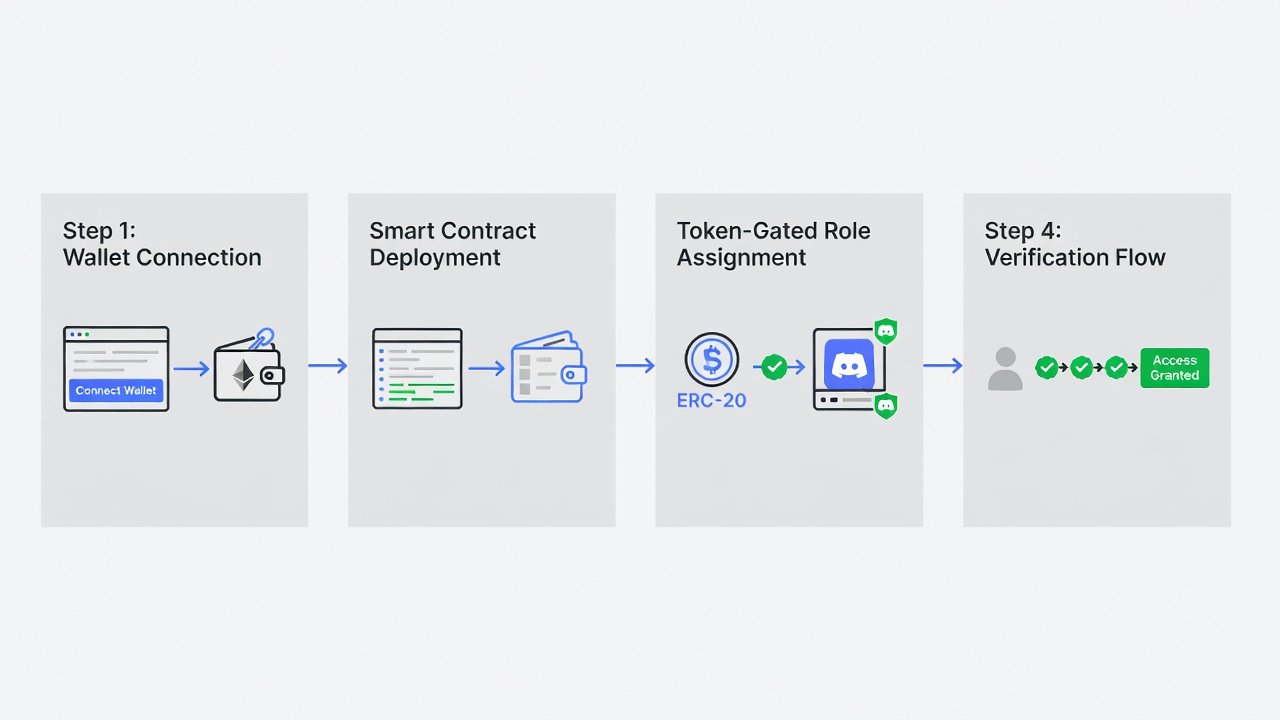
Seamless integration starts with Discord bots that verify token ownership via wallet connections. Services like Collab.Land or custom bots built with Moralis handle verification by checking on-chain balances in real time. For custom dApps, use libraries such as ethers.js to query blockchain state and grant role-based access through secure API endpoints.
Step-by-step implementation: 1) Set up wallet authentication flow with MetaMask or WalletConnect. 2) Query token balance or specific ownership proofs. 3) Assign or revoke Discord roles automatically based on results. 4) Monitor for transfers that revoke access using event listeners. Scalability improves dramatically with Layer-2 solutions like Optimism or Arbitrum to handle growing member counts without prohibitive transaction fees. Creators can also embed gated content directly into custom frontends using React and Web3 libraries for a branded experience.
Security Best Practices and Scalability Considerations
Security remains paramount when handling member access. Use multi-signature wallets for contract ownership, implement rate limiting on verification endpoints, and encrypt sensitive metadata off-chain where possible. Address common pitfalls like replay attacks by incorporating nonces in access proofs and regularly rotating signing keys. Phishing-resistant wallet connections and on-chain signature verification further reduce risks.
Scalability involves choosing networks with high throughput and planning for future sharding or rollups. Monitor on-chain metrics such as active wallets and transaction volume to optimize performance proactively. Regular penetration testing and bug bounty programs help maintain trust as communities grow beyond a few hundred members.
Real Case Studies from High-Performing Projects
Projects like Friends With Benefits demonstrate successful token-gated Discord communities where membership NFTs unlock exclusive events, AMAs, and collaborative opportunities, resulting in strong retention through genuine utility. Another example involves independent music creators using gated platforms to distribute unreleased tracks and behind-the-scenes content, achieving direct fan funding without traditional label intermediaries.
Additional case studies include visual artists on custom dApps who combine token gating with dynamic royalties to sustain income during market fluctuations. These examples consistently highlight the importance of clear utility offerings, transparent communication, and consistent engagement to retain members long-term and drive organic growth through word-of-mouth referrals.
Web3 Trends Shaping Creator Monetization
Emerging trends include AI-enhanced token personalization that tailors access experiences based on user behavior and cross-chain gating solutions that allow seamless membership across multiple blockchains. Creators also benefit from combining token access with decentralized identity protocols for enhanced privacy controls. Staying informed through official channels supports timely adoption of these innovations while maintaining compliance with evolving regulations.
Discord's developer portal offers integration guides relevant to Web3 bots and role automation. Additional insights appear on Solidity language documentation for contract best practices.
Measuring Engagement and Success Metrics
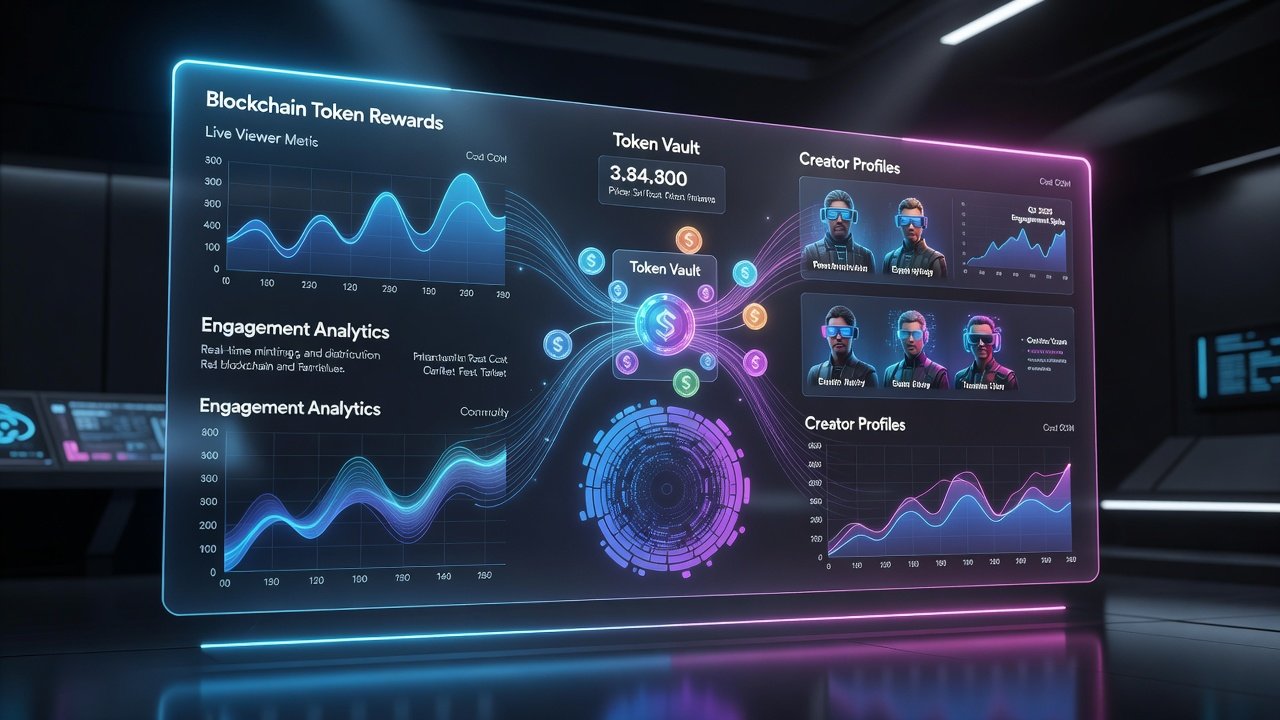
Effective measurement relies on both on-chain and off-chain data. Track daily active members and retention rates to gauge community health. Monitor token transfer frequency as an indicator of engagement and perceived value. Revenue from royalties and primary sales provides direct monetization feedback, while event attendance tied to gated access reveals content resonance.
Additional KPIs include referral rates from existing members and qualitative feedback collected through gated polls. Regular reporting dashboards help creators iterate quickly on what drives the most value.
FAQ: Common Setup Pitfalls and Solutions
How do I handle token transfers that revoke access? Implement webhook listeners or oracle services to detect ownership changes and update roles in real time without manual intervention.
What if gas fees become prohibitive during peak periods? Migrate to Layer-2 networks or schedule batch operations during low-congestion windows for cost efficiency.
Are there legal considerations for token-gated access? Consult local regulations around securities classification and digital access rights in your jurisdiction before public launch.
How should I price initial membership tokens? Research comparable communities and test different tiers with early supporters to find the optimal balance between accessibility and exclusivity.
By following these guidelines and continuously refining based on metrics, creators can build resilient token-gated communities that thrive in the evolving Web3 landscape of 2026 and beyond.

No comments yet. Be the first!