 CryptoChain Blog
Introduction to Token Incentives in Web3 Streaming
Web3 streaming platforms in 2026 have increasingly relied on token incentives to drive sustainable user retention and creator expansion. These systems tie directly into decentralized scalability by rewarding participation through on-chain mechanics, fostering mass adoption trends across global audiences. By leveraging blockchain technology, platforms can create transparent, verifiable reward systems that encourage consistent engagement without relying on centralized intermediaries. This article examines three distinct platforms that achieved measurable success in 2026, detailing their tokenomics designs, governance processes, real performance metrics, and practical implementation strategies. Readers will gain insights into how these models address challenges like user churn and creator monetization while supporting broader ecosystem growth.
Case Study 1: StreamForge Platform
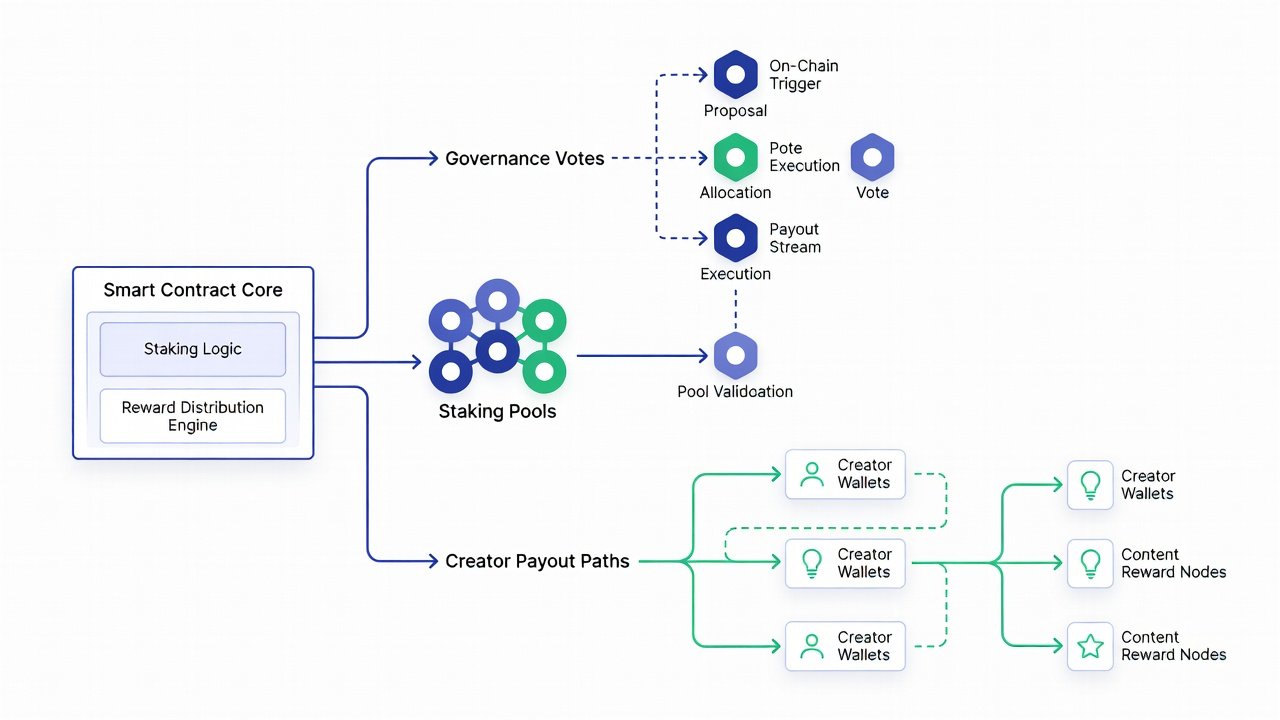
StreamForge implemented a dual-token model with utility tokens for rewards and governance tokens for voting on incentive pools. Tokenomics featured a 40% allocation to creator rewards, distributed via smart contracts that track viewership duration and engagement on-chain. The design incorporated vesting periods to prevent immediate dumping and included deflationary elements through periodic burns based on platform activity levels. On-chain reward mechanics used NFT-based subscriptions that minted tokens automatically upon milestone completion, such as reaching 10,000 cumulative watch hours. Governance voting allowed token holders to adjust reward multipliers quarterly through a transparent DAO process. Real performance metrics showed a 280% increase in monthly active creators and 65% retention rate improvement over six months, with average session times rising by 45 minutes per user. Ethereum.org documentation highlights similar scalable smart contract patterns used here for efficient Layer-2 deployments.
Step-by-Step Setup Guide for StreamForge-Style Systems
- Deploy a governance contract on a Layer-2 chain for low fees, ensuring compatibility with existing streaming protocols and testing for gas optimization.
- Define reward parameters in the tokenomics smart contract, including vesting schedules that release tokens over 90 days to align long-term incentives.
- Integrate on-chain analytics oracles to measure streaming metrics accurately, such as real-time view counts and interaction data from decentralized nodes.
- Enable community voting through a DAO interface with quadratic voting options to balance influence among participants.
- Test incentives with a pilot group of 500 users before full rollout, analyzing feedback and adjusting parameters based on initial retention data.
Case Study 2: DecentralCast Network
DecentralCast focused on a single utility token with staking requirements for creators to access premium reward tiers. Tokenomics emphasized deflationary mechanisms via burn rates tied to reward claims, where 5% of each claim was burned to maintain scarcity. On-chain mechanics rewarded live interaction through verifiable random functions for fair distribution, ensuring no single creator dominated payouts unfairly. Governance involved quadratic voting to prevent whale dominance in incentive decisions, with proposals requiring a minimum participation threshold. Metrics indicated creator growth of 190% year-over-year and user retention stabilizing at 72%, alongside a 30% rise in total streaming hours. This model demonstrates how staking creates skin in the game, encouraging sustained contributions.
Case Study 3: TokenStream Hub
TokenStream Hub utilized a hybrid model combining liquidity mining with creator bounties funded by a portion of transaction fees. Tokenomics allocated 55% to ecosystem growth, with dynamic emissions adjusted by governance based on monthly performance reviews. On-chain rewards were executed via automated payment channels for real-time payouts, reducing delays and improving creator satisfaction. Voting mechanisms prioritized proposals based on retention impact scores calculated from anonymized user data. Performance data revealed 320% creator onboarding growth and 58% higher watch time per user, highlighting the model's effectiveness in driving both acquisition and engagement in decentralized environments.
Comparisons of Incentive Models
StreamForge's dual-token system excels in flexibility but requires complex governance and higher initial setup costs in terms of development resources. DecentralCast's staking model promotes long-term holding yet risks liquidity issues during market downturns, making it suitable for established creator bases. TokenStream Hub's hybrid offers balance through combined mechanisms but demands precise emission tuning to avoid inflation. All three leverage decentralized scalability to support broader Web3 adoption by integrating with protocols that handle high transaction volumes efficiently. When choosing a model, platforms should evaluate their audience size, technical capabilities, and long-term goals for creator retention.
Common Pitfalls to Avoid
- Over-allocating tokens without vesting, leading to sell pressure that undermines token value and discourages new participants from joining the ecosystem.
- Ignoring oracle reliability for on-chain metrics, causing inaccurate rewards and eroding trust among creators who rely on fair compensation.
- Weak governance designs that allow centralization, where a few large holders control decisions and stifle community-driven innovation.
- Neglecting regulatory compliance in token distribution, which can result in legal challenges and platform shutdowns in certain jurisdictions.
- Failing to monitor real-time engagement data, leading to misaligned incentives that do not reflect actual user behavior or content quality.
Practical Steps for Implementation and Scalability
Begin with auditing token contracts using established frameworks to identify vulnerabilities early. Integrate with decentralized storage solutions for content delivery to enhance overall platform scalability and reduce reliance on single points of failure. Monitor metrics continuously through dashboards that aggregate on-chain and off-chain data, then iterate via community votes to refine reward structures. These steps help platforms achieve creator growth while aligning with 2026 Web3 trends toward greater decentralization and user empowerment. Additionally, consider partnerships with oracle providers for accurate data feeds and educate creators on wallet security to minimize risks associated with token holdings.
FAQ: Creator Concerns on Volatility and Regulatory Risks
How can creators mitigate token volatility? Diversify holdings across multiple assets and use stablecoin options for portions of rewards where available through platform integrations.
What regulatory risks exist with incentive programs? Varying global rules on securities classification require legal consultation before launch, particularly regarding how tokens are classified in different regions.
Are on-chain rewards taxable? Tax implications depend on jurisdiction; track all transactions meticulously using available blockchain explorers and consult professionals for reporting.
Can governance voting be manipulated? Quadratic and delegation mechanisms help reduce risks when properly implemented, combined with minimum holding periods for voters.
How do these systems support mass adoption? By providing transparent rewards and lowering barriers to entry, they encourage wider participation in decentralized streaming ecosystems over time.


No comments yet. Be the first!