 CryptoChain Blog
Introduction to Web3 Streaming in 2026
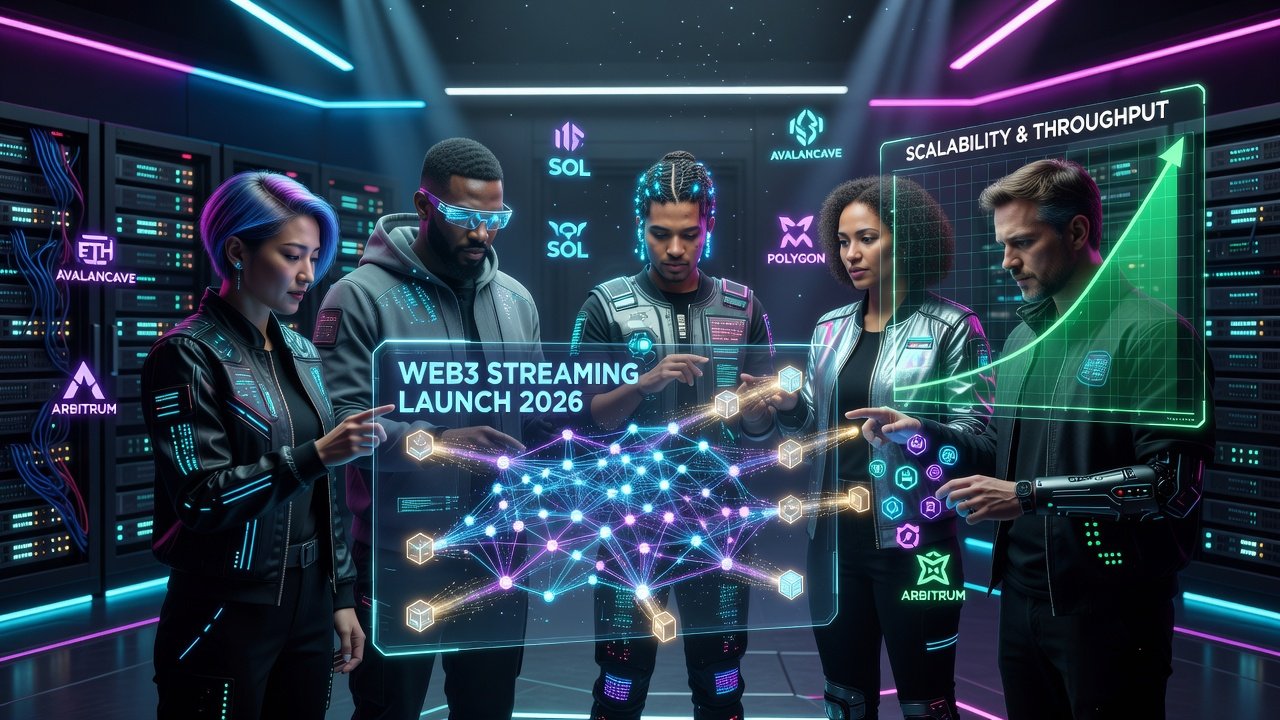
Web3 streaming protocols have evolved rapidly, offering creators decentralized alternatives to traditional platforms. These systems leverage blockchain for direct monetization, censorship resistance, and community governance. In 2026, creators evaluating launch options must weigh token incentives, scalability, and revenue structures across multiple protocols beyond early leaders like Livepeer. The shift toward decentralized media empowers independent artists, educators, and entertainers to bypass centralized gatekeepers while building direct relationships with audiences through transparent on-chain economics.
This comparison focuses on practical decision-making for content creators seeking to launch or migrate streams. Key factors include earning potential through tokens, network performance under load, and ease of integration. Whether you are a solo podcaster or managing a multi-channel network, understanding these nuances helps maximize reach and revenue without compromising on decentralization principles.
The Evolution of Web3 Streaming Protocols
Early Web3 streaming relied heavily on basic peer-to-peer models with limited quality controls. By 2026, advancements in layer-2 scaling and oracle integrations have enabled professional-grade video delivery. Protocols now support adaptive bitrate streaming, real-time interactivity, and seamless wallet-based payments. This evolution mirrors broader blockchain maturation, where initial experiments in decentralized video have given way to robust ecosystems supporting thousands of simultaneous creators.
Real-world adoption has accelerated through partnerships with traditional media companies exploring hybrid models. Creators benefit from reduced platform fees and ownership of their audience data, stored immutably on distributed ledgers.
Key Protocols Beyond Livepeer
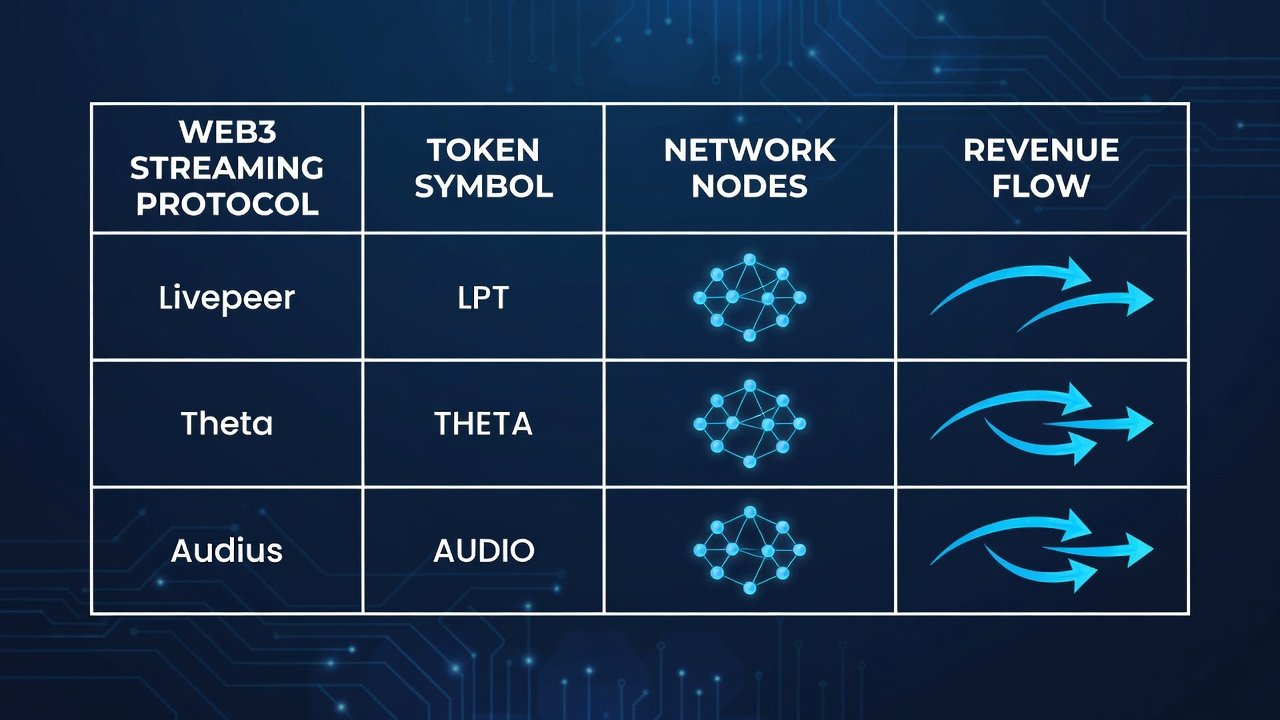
Several protocols stand out for 2026 creator launches. Livepeer remains foundational for video transcoding on Ethereum, providing decentralized GPU resources for encoding tasks. Theta Network emphasizes peer-to-peer delivery with strong enterprise ties, powering high-definition streams for global events. Streamr provides real-time data streaming with token rewards for bandwidth sharing, ideal for interactive applications like live polls or data dashboards. Additional options include Huddle01 for decentralized video calls and Deso for integrated social streaming features that combine content creation with tokenized social graphs.
Each protocol builds on distinct architectures, from Ethereum Layer 2 solutions to dedicated sidechains, enabling varied creator experiences. For instance, a gaming streamer might prefer Theta for its low-latency P2P strengths, while a data journalist could leverage Streamr for live metrics feeds.
Token Incentive Structures
Token models drive creator participation and long-term network health. Livepeer uses its LPT token for staking and orchestration rewards, aligning incentives between node operators and content providers through delegated staking mechanisms. Theta rewards viewers and nodes with TFUEL for bandwidth contributions, creating a circular economy that benefits creators through increased distribution reach and viewer retention bonuses.
Streamr's DATA token compensates data providers and stream operators, with mechanisms for micropayments tied to usage volume. Creators launching on these networks can earn from both direct viewer tips and protocol-level distributions. Governance tokens often allow voting on fee structures and feature roadmaps, giving creators a voice in ecosystem development. Practical examples include independent musicians using token staking yields to fund production equipment upgrades while their live performances generate ongoing royalties.
Scalability Benchmarks for 2026
Scalability remains critical for live events or high-traffic channels. Livepeer has demonstrated handling thousands of concurrent streams via decentralized transcoding clusters, with recent network upgrades improving throughput during peak hours. Theta Network reports enterprise-grade delivery supporting millions of viewers through its hybrid P2P model, validated in recent partnerships with major broadcasters.
Streamr focuses on low-latency data flows, achieving sub-second updates in tested environments across global node distributions. Benchmarks from 2026 show these protocols competing with centralized CDNs in throughput while maintaining decentralization. Creators should review current network dashboards for real-time metrics before launch and consider load testing with sample audiences to identify bottlenecks early.
Revenue Models and Creator Earnings
Revenue flows differ significantly across platforms. Livepeer enables pay-per-view and subscription models paid in stablecoins or native tokens, allowing flexible monetization tiers. Theta integrates ad revenue sharing alongside direct creator tokens, creating multiple income layers. Streamr supports data marketplace sales where streams generate ongoing royalties based on data consumption.
Side-by-side analysis reveals hybrid approaches often yield the highest returns, combining token staking yields with viewer payments. Creators report diversified income streams when using multiple protocols in parallel, such as simulcasting on Livepeer for video quality and Streamr for engagement analytics.
Feature Comparison Table
| Protocol | Primary Token | Scalability Focus | Revenue Streams | Integration Ease |
|---|---|---|---|---|
| Livepeer | LPT | Transcoding clusters | Staking + tips | High (SDKs available) |
| Theta | TFUEL | P2P delivery | Bandwidth rewards + ads | Medium |
| Streamr | DATA | Real-time data | Micropayments | High for developers |
This table highlights trade-offs; for instance, Livepeer excels in video-specific tools while Streamr suits interactive applications. Detailed reviews of each row can guide creators toward the best fit based on their primary content format and technical comfort level.
Migration Steps for Existing Creators
Transitioning from centralized platforms involves these practical steps:
- Audit current content library and identify high-value streams for Web3 migration, prioritizing evergreen material that benefits from persistent on-chain ownership.
- Select a protocol based on audience demographics and technical requirements, factoring in viewer wallet adoption rates in your niche.
- Set up a wallet and acquire necessary tokens for gas or staking, starting with small test amounts to familiarize yourself with transaction flows.
- Integrate SDKs or APIs, testing streams on testnets first to resolve compatibility issues without risking mainnet funds.
- Announce migration to community via social channels and incentivize early adopters with token airdrops or exclusive access tiers.
- Monitor analytics and optimize based on on-chain performance data, iterating on stream quality and monetization experiments.
Common pitfalls include underestimating gas fees during peak times and neglecting community education on wallet usage, both of which can be mitigated through detailed onboarding guides and support channels.
Decision-Making Criteria for Creators
Evaluate protocols using these criteria: alignment with content type (video versus data), expected viewer scale, token volatility tolerance, and developer support availability. Test small pilots before full commitment to gather real performance data. Review official documentation from sources like ethereum.org for underlying smart contract standards and best practices in decentralized application development.
Common Challenges and Solutions
Integration hurdles often include wallet onboarding friction and variable network latency. Solutions range from providing simplified custodial options for new viewers to leveraging content delivery optimizations built into modern protocols. Another frequent issue is educating audiences about token usage; successful creators address this through tutorial videos and incentive programs that reward first-time interactions.
FAQ: Common Integration Hurdles
How do I handle token volatility?
Use stablecoin wrappers or hedging strategies available on major DEXes to stabilize earnings during market fluctuations.
What about regulatory compliance?
Consult legal experts familiar with blockchain jurisdictions, as streaming often falls under media and financial regulations in various regions.
Can I integrate with existing tools?
Many protocols offer bridges to OBS Studio and similar software for seamless transitions from traditional setups.
Is technical expertise required?
Beginner-friendly no-code options exist on leading platforms, though advanced customization benefits from developer resources at developer.mozilla.org.
How do I measure ROI on migration?
Track metrics like viewer retention, token earnings, and engagement growth over 30- to 90-day periods post-launch using built-in analytics dashboards.
Conclusion
Choosing the right Web3 streaming protocol in 2026 empowers creators with greater control and earning potential. By comparing incentives, scalability, and models across projects like Livepeer, Theta, and Streamr, informed decisions lead to successful launches and sustainable careers in decentralized media. Start with targeted pilots, leverage community feedback, and iterate based on performance data to build a resilient streaming presence.
No comments yet. Be the first!