 CryptoChain Blog
Introduction to Token-Gated Communities in the 2026 Web3 Creator Economy
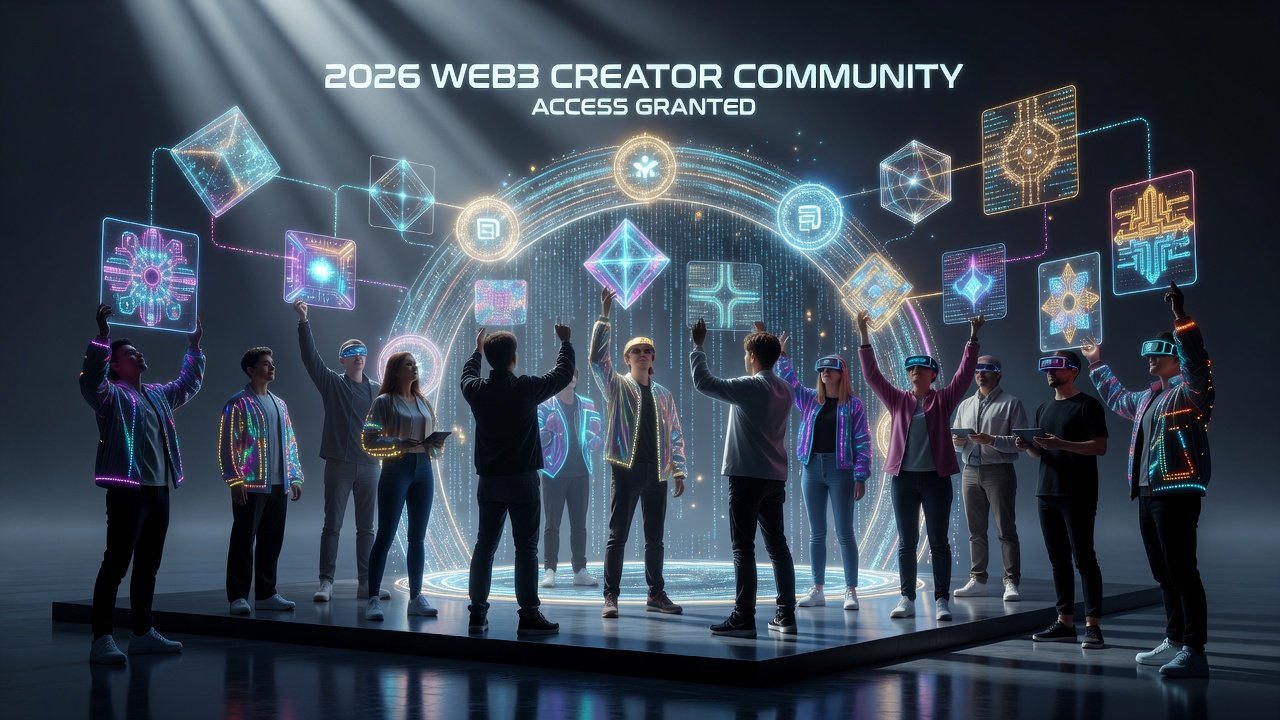
In 2026, the Web3 creator economy continues to evolve rapidly, empowering creators with direct monetization paths that bypass traditional platforms. Token-gated communities allow creators to offer exclusive access to content, events, and interactions based on ownership of specific tokens or NFTs. This model fosters deeper fan relationships and recurring revenue streams through blockchain technology. Creators benefit from ownership verification that is transparent and immutable, reducing reliance on centralized gatekeepers like social media algorithms or subscription services. As decentralized finance and digital assets mature, token-gating has become a cornerstone for independent artists, influencers, educators, and entertainers seeking sustainable income. The approach combines scarcity mechanics with community incentives, turning passive followers into active stakeholders who hold value in the creator's ecosystem.
Creators are increasingly turning to these gated spaces to build loyal audiences while leveraging dynamic NFT royalties and engagement mechanics. By integrating with existing social platforms, they can scale their presence without starting from scratch. This hybrid strategy helps bridge the gap between Web2 users and Web3 technology, lowering barriers for mainstream adoption. In practice, successful implementations demonstrate higher retention rates because members feel a sense of ownership and exclusivity that traditional free platforms cannot replicate.
Understanding Dynamic NFT Royalties
Dynamic NFT royalties represent a key advancement in 2026, enabling creators to earn ongoing percentages from secondary sales that adjust based on community activity or token utility. Unlike static royalties, these can evolve with smart contracts, providing more flexible income models. For instance, royalties might increase during high-engagement periods to reward active participants or decrease to encourage broader circulation. Smart contract logic can incorporate variables such as trading volume, holder retention metrics, or even external oracle data to trigger adjustments automatically. This flexibility helps creators maintain fair compensation while adapting to market conditions. Many projects now embed royalty splits that allocate portions to community treasuries, funding collective decisions like event hosting or feature development. The result is a self-sustaining economy where both creators and fans share in long-term value appreciation.
Blockchain-Based Engagement Mechanics
Blockchain engagement mechanics include token staking for voting rights, NFT-based access to live streams, and on-chain reputation systems. These create verifiable interactions that enhance community value. Creators can implement mechanics like time-locked tokens for exclusive drops or gamified challenges tied to wallet activity. Staking mechanisms often require holders to lock tokens for defined periods to unlock premium roles or rewards, fostering commitment. Reputation systems track contributions such as content creation or moderation, issuing soulbound tokens that cannot be transferred. Live events gated by NFT ownership provide real-time interaction while proving attendance on-chain for future perks. These mechanics transform communities from passive audiences into collaborative networks where engagement directly influences access and earnings.
Integration with Existing Platforms
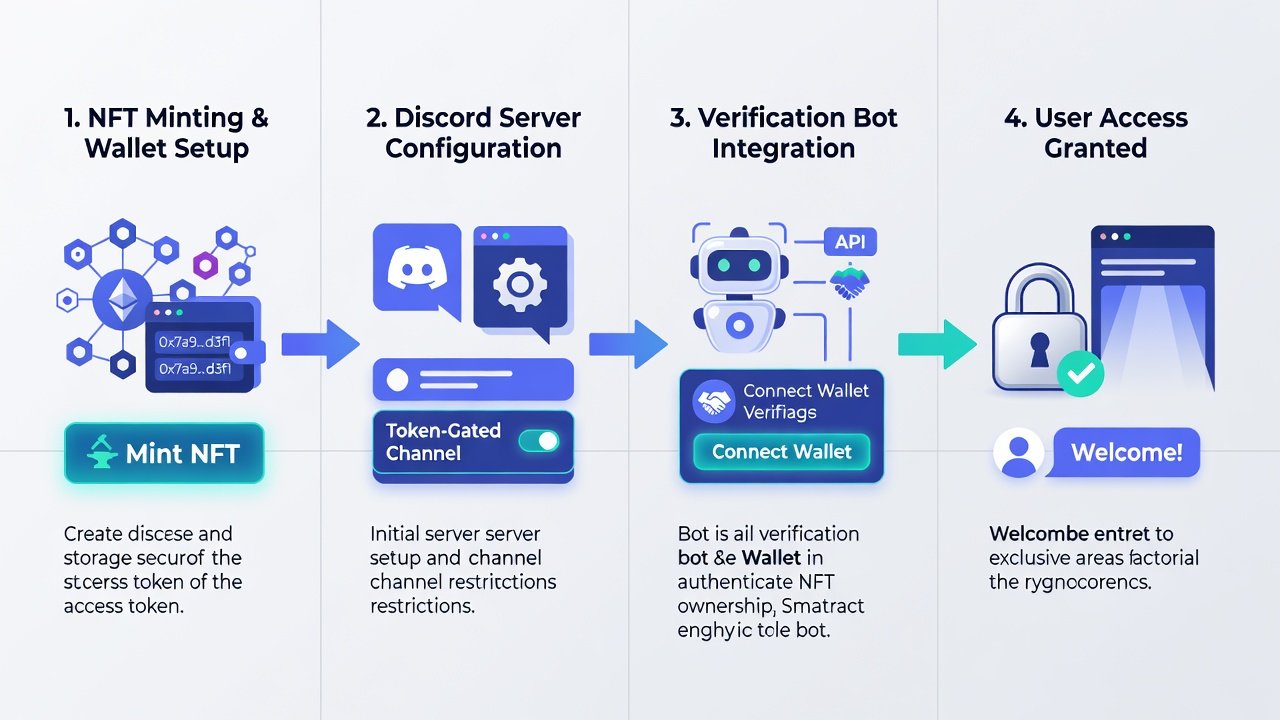
Many creators integrate token-gating with platforms like Discord, Telegram, or X (formerly Twitter) using APIs and wallet connectors. This hybrid approach combines Web2 familiarity with Web3 ownership. Tools facilitate seamless verification without requiring users to leave their preferred apps. Integration typically involves embedding wallet authentication flows that check token balances in real time, granting roles or channels accordingly. Advanced setups support cross-platform syncing, allowing a single token to unlock experiences across multiple services. Developers often leverage middleware solutions to handle gas optimization and batch verifications, ensuring smooth user experiences even during peak activity. Learn more about Ethereum smart contracts that power these integrations.
Step-by-Step Setup Instructions
- Choose your blockchain: Select Ethereum or a compatible L2 for broad compatibility. Consider factors like transaction fees, ecosystem support, and user base size before deciding.
- Mint your access tokens: Use an NFT marketplace or custom contract to create gated tokens. Design metadata that clearly communicates benefits and include royalty configurations from the start.
- Set up the community hub: Configure Discord or a similar platform with gating bots. Test role assignments thoroughly to prevent unauthorized access while keeping onboarding intuitive.
- Implement royalty logic: Deploy dynamic smart contracts for ongoing earnings. Audit contracts for security and define parameters that align with your growth goals.
- Test onboarding: Invite early fans to verify wallet connections and access levels. Gather feedback through surveys to refine the process before wider release.
- Launch and iterate: Monitor engagement and adjust mechanics based on feedback. Use analytics dashboards to track retention and revenue, then optimize accordingly.
Real Project Examples
Projects like Friend.tech have demonstrated token-gated chat rooms where tokens grant entry to creator rooms, allowing real-time conversations and shared content with verified holders. Another example is Patreon’s Web3 experiments, allowing NFT holders exclusive tiers that combine traditional subscriptions with blockchain ownership proofs. Additional cases include decentralized music platforms where artists release token-gated albums and behind-the-scenes material, rewarding early supporters with resale royalties. Sports creators have used similar systems for fan clubs that unlock virtual meetups and merchandise drops. These cases highlight successful direct monetization while addressing audience growth through referral programs and tiered access levels.
Comparisons of Tools for Creators
- Collab.Land vs. Guild.xyz: Collab.Land excels in simple Discord gating with quick setup for basic token checks; Guild.xyz offers more customizable roles based on multiple token holdings, wallet age, or staking requirements, making it suitable for complex communities.
- Thirdweb vs. Manifold: Thirdweb provides no-code dynamic royalty tools and templates that speed up deployment for non-technical creators; Manifold focuses on advanced NFT customization and marketplace integrations for projects needing unique artistic control.
- Highlight.xyz vs. Basic smart contracts: Highlight adds analytics layers for engagement tracking and revenue forecasting; basic contracts give full control but require developer resources for maintenance and updates.
Review SEC guidelines on digital assets before choosing tools. Explore Polygon network resources for cost-effective scaling options.
Addressing Challenges: Scalability and Audience Onboarding
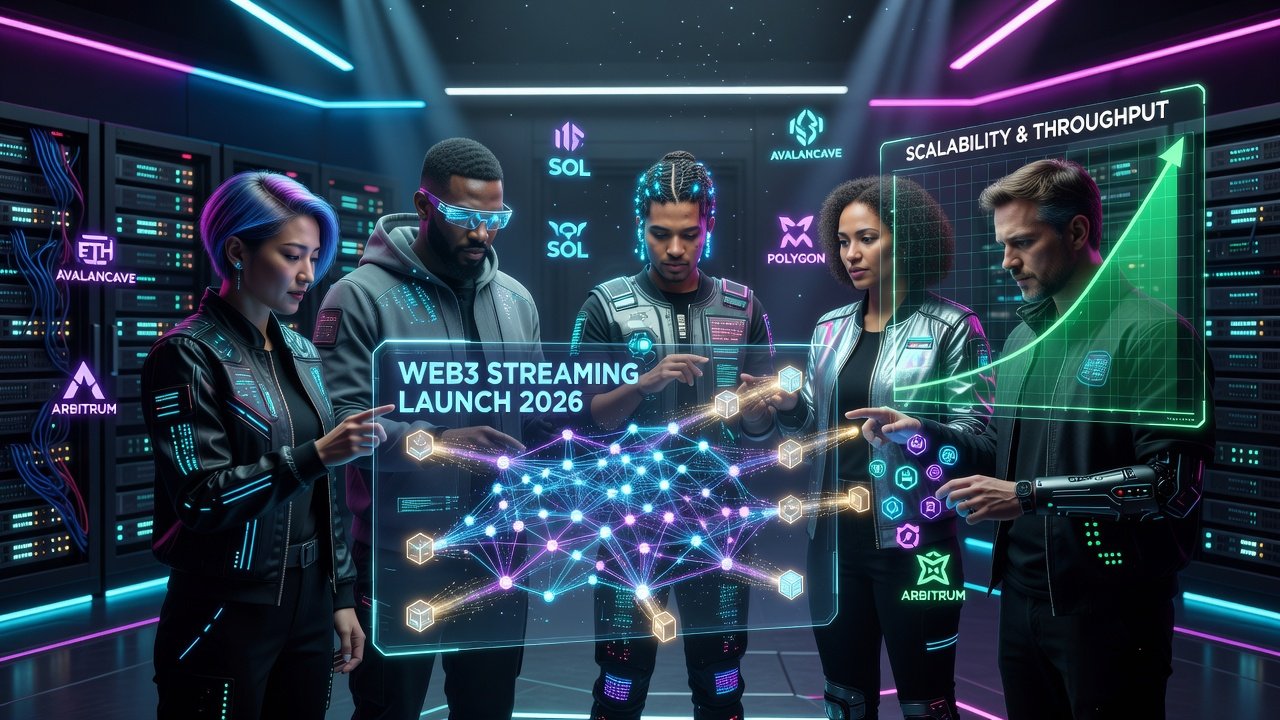
Scalability issues arise with high user volumes on-chain; solutions include layer-2 solutions and batch verification to reduce congestion and costs. Audience onboarding challenges involve educating users on wallets—address this with guided tutorials, video walkthroughs, and gasless entry options that abstract technical complexity. Actionable tips include starting small with beta groups to identify friction points, partnering with Web3 educators for workshops, and implementing progressive gating that begins with low-commitment access before escalating to full membership. Monitor network congestion patterns and provide fallback off-chain verification during spikes. Creators should also prepare contingency plans for wallet recovery support to retain members who lose access credentials. By proactively tackling these areas, communities maintain growth momentum and avoid early churn.
FAQs on Compliance and Future Outlook
What compliance considerations apply to token-gated communities?
Creators must navigate securities laws and KYC requirements in various jurisdictions. Always consult legal experts for token classifications and maintain transparent documentation of token utility to reduce regulatory risk.
How will decentralized creator models evolve beyond 2026?
Expect greater AI integration for personalized gating recommendations and cross-chain interoperability, leading to more seamless global communities. Interoperable standards will allow tokens to function across multiple ecosystems, expanding reach without fragmentation.
Are there risks related to token volatility in gated access?
Yes, price fluctuations can affect perceived value of membership. Many projects mitigate this by offering utility-focused tokens with fixed access rights regardless of market price or by pairing them with stable governance mechanisms.
Conclusion
Token-gated communities offer a powerful path for 2026 Web3 creators seeking sustainable monetization. By mastering the mechanics and tools outlined, creators can build thriving, direct-to-fan ecosystems that stand the test of time and deliver lasting value for all participants.

No comments yet. Be the first!