 CryptoChain Blog
Introduction to Decentralized Music Streaming in 2026
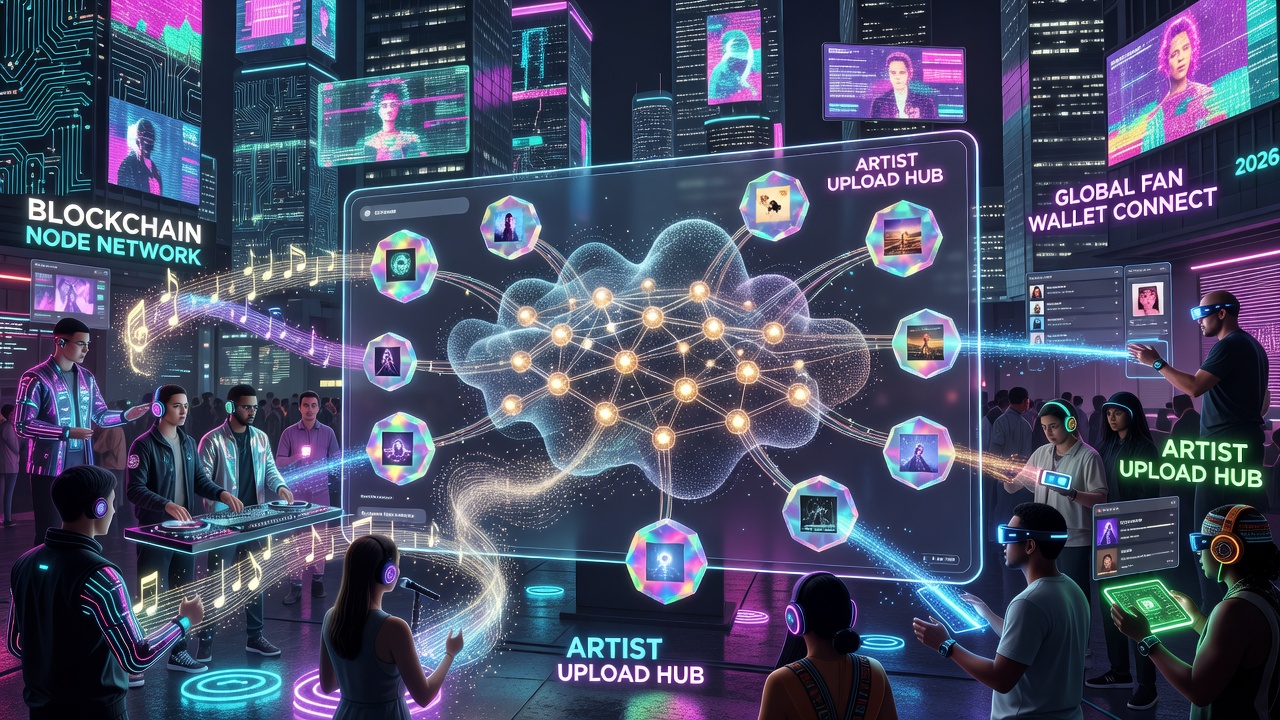
The music industry continues to evolve rapidly as Web3 technologies gain traction. Traditional streaming services have long dominated distribution, but decentralized alternatives are now challenging the status quo by offering greater transparency, direct artist-fan connections, and improved revenue models. This shift aligns with broader web3 trends that emphasize user ownership and blockchain-based incentives. In 2026, the landscape features advanced integrations of decentralized protocols that address past limitations in speed and accessibility while prioritizing creator control.
Decentralized web solutions enable musicians to bypass traditional gatekeepers such as major labels and centralized platforms. Fans gain opportunities for direct participation through tokenized ownership models. These changes respond to longstanding frustrations with opaque royalty calculations and limited earning potential for independent artists. As adoption grows, the focus remains on creating sustainable ecosystems where content creators retain more value from their work.
Traditional Streaming Models Versus Blockchain Alternatives
Conventional platforms like Spotify and Apple Music rely on centralized servers and complex licensing agreements. Artists often receive minimal royalties after platform cuts and label shares. Centralized systems aggregate listener data in proprietary databases, limiting transparency and making it difficult for creators to verify earnings. In contrast, blockchain-based systems use smart contracts to automate payments and ensure immediate, transparent distributions recorded on public ledgers.
Key differences include ownership: Web3 models allow fans to hold fractional stakes via tokens or NFTs, while traditional services treat users as passive subscribers. Token-gated access further differentiates the space by restricting premium content to verified token holders, fostering exclusive communities. Blockchain alternatives also reduce reliance on intermediaries, which historically consume significant portions of revenue streams. This comparison highlights how decentralized approaches promote fairness and direct engagement in the evolving entertainment sector.
2026-Specific Web3 Innovations in Music
Advancements this year focus on scalability solutions and cross-chain compatibility. Platforms integrate layer-2 protocols to handle high-volume streaming without congestion. NFT royalties now support dynamic splits that adjust based on engagement metrics, rewarding active listeners with automated bonuses. Interoperability between ecosystems enables seamless playback across multiple apps, reducing fragmentation that previously hindered user experiences.
Additional innovations include zero-knowledge proofs for private yet verifiable royalty tracking and AI-assisted discovery tools powered by on-chain data. These features position decentralized web solutions as viable competitors in entertainment by enhancing both technical performance and creative opportunities for artists worldwide.
Platform Case Studies: Audius and Emerging Entrants
Audius remains a leader with its decentralized infrastructure that empowers artists to upload and monetize directly. The platform utilizes a native token for governance and rewards, allowing community members to influence feature development. New entrants in 2026 build on similar foundations while adding AI-driven discovery tools and enhanced fan governance features. Examples include platforms that incorporate multi-chain support for broader accessibility and specialized modules for live event ticketing via NFTs.
These platforms demonstrate practical applications of web3 trends, from community voting on releases to automated royalty enforcement via smart contracts. Case studies show increased artist retention rates and higher fan engagement metrics compared to legacy services. Emerging solutions also emphasize environmental sustainability by adopting energy-efficient consensus mechanisms.
Artist Adoption Steps for Web3 Music Platforms
Musicians interested in transitioning can follow these practical steps, each designed to build foundational skills gradually:
- Create a crypto wallet and connect to supported networks like Ethereum or compatible layer-2 chains to manage digital assets securely.
- Mint initial NFTs representing catalog tracks to establish verifiable ownership records on the blockchain.
- Upload content to decentralized platforms and configure royalty parameters in smart contracts, specifying percentages for collaborators and fans.
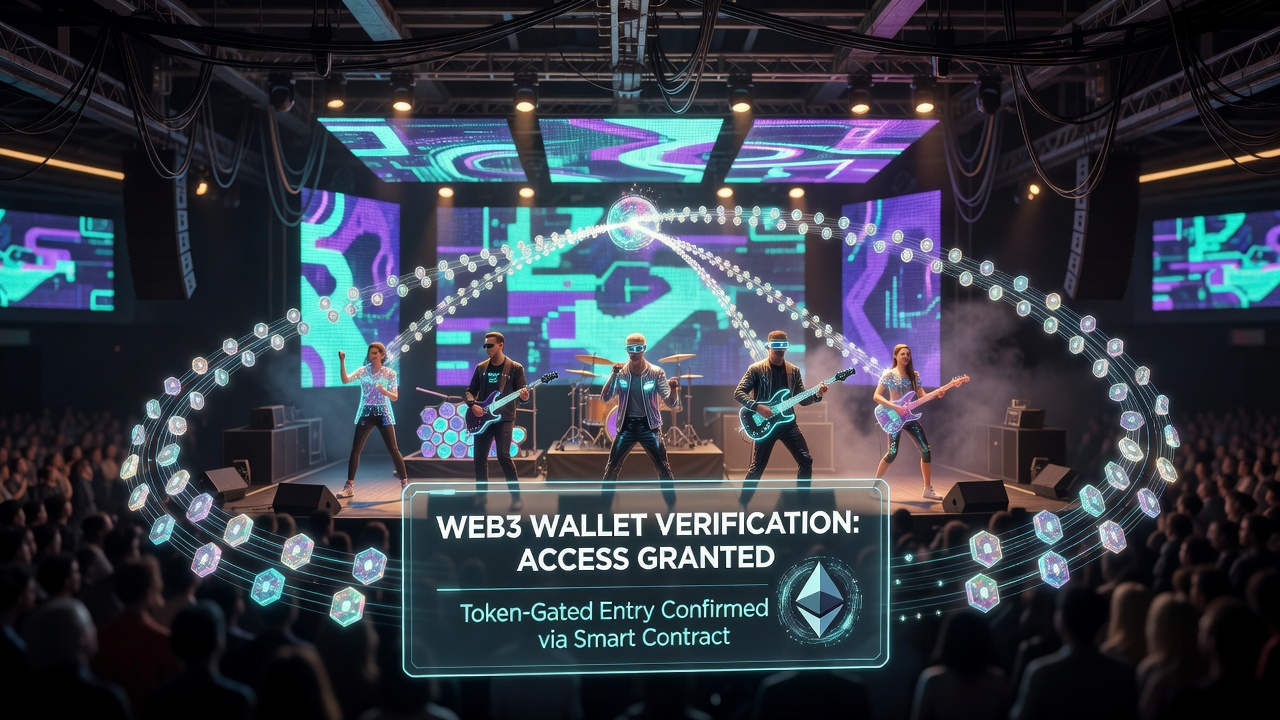
- Engage communities through token-gated events such as virtual listening parties to build direct fan relationships and test new release strategies.
- Monitor on-chain analytics for performance insights, including play counts and token holder activity, then iterate on release strategies accordingly.
- Explore interoperability tools to ensure tracks remain accessible across multiple decentralized applications without duplication efforts.
These steps provide a clear pathway while minimizing common pitfalls like overlooking wallet security or underutilizing community governance features.
Revenue Sharing Mechanics and Protocol Comparisons
Revenue sharing in decentralized systems typically allocates the majority of proceeds directly to creators through automated contracts. Top protocols vary in fee structures and governance approaches. Some emphasize community tokens for voting on platform decisions, while others prioritize low-cost transactions and minimal overhead. Comparisons reveal trade-offs in speed versus security, with newer solutions addressing earlier scalability concerns through optimized consensus mechanisms.
For instance, protocols focused on music often integrate with storage networks for reliable content hosting. Artists benefit from real-time dashboards showing earnings breakdowns. This level of detail supports informed decisions about which platforms align best with individual career goals and audience preferences.
Implementation Examples and Interoperability Challenges
Real-world examples include artists releasing albums as collectible NFTs with embedded streaming rights that unlock additional perks for holders. Musicians have successfully used these models to fund tours through fan-owned tokens that grant voting rights on setlists. Challenges persist around licensing compliance across jurisdictions and ensuring consistent user experiences across chains.
Developers continue refining standards to promote broader adoption while maintaining compliance with existing copyright frameworks. Interoperability remains a key focus, with ongoing work on unified APIs that allow seamless migration of content between networks. Addressing these issues will be essential for long-term growth in the decentralized music space.
Challenges, Future Outlook, and Best Practices
While promising, the sector faces hurdles such as regulatory uncertainty and the need for user-friendly interfaces. Best practices include starting with small releases to test audience response and collaborating with developers experienced in blockchain integrations. The future outlook points toward greater mainstream acceptance as technical barriers decrease and more success stories emerge.
FAQ: Common Concerns on Scalability and Licensing
How do decentralized platforms handle scalability in 2026?
Layer-2 solutions and sharding techniques enable thousands of simultaneous streams with minimal fees and delays, supporting global audiences effectively.
What about music licensing in Web3 environments?
Smart contracts embed licensing terms, but artists must still navigate traditional rights where applicable for broader distribution and synchronization deals.
Are fan ownership models sustainable long-term?
Early data shows increased engagement and recurring revenue through token utilities, supporting viability as communities mature around shared interests.
How can artists protect against smart contract vulnerabilities?
Conducting audits by reputable firms and using established templates from major protocols reduces risks associated with custom code deployments.
What role does interoperability play in user adoption?
Seamless cross-platform functionality lowers entry barriers, allowing listeners to access libraries without managing multiple wallets or accounts.
Conclusion
Decentralized music streaming represents a transformative shift driven by Web3 innovations. By prioritizing artist empowerment and fan participation, these platforms address longstanding industry pain points. As 2026 progresses, continued technical refinements will likely accelerate mainstream integration and create new opportunities for creative professionals.
For further reading, explore resources at Audius, Ethereum, W3C, and IPFS.

No comments yet. Be the first!