 CryptoChain Blog
Introduction to the 2026 Web3 Creator Economy
The creator economy is undergoing a profound shift in 2026 as decentralized technologies empower artists, influencers, and content producers with direct ownership over their work and audience relationships. Unlike traditional platforms that take significant cuts and control distribution, Web3 innovations enable creators to monetize through blockchain-based tools that foster true ownership and recurring revenue streams. This article examines key trends such as token-gated communities, dynamic NFT royalties, and blockchain fan engagement models, providing practical comparisons, real-world examples, and actionable steps for adoption.
By moving beyond centralized gatekeepers, creators can achieve measurable growth in audience loyalty and earnings potential. Forecasts for 2026 highlight accelerated integration of these technologies, with protocols emphasizing transparency and community governance. The shift promises creators greater autonomy, allowing them to build sustainable businesses without relying on algorithm changes or platform policy updates that often disrupt income.
Centralized vs Decentralized Approaches: A Clear Comparison
Traditional platforms like YouTube or Instagram operate on centralized models where creators rely on algorithmic visibility and face high fees alongside limited data ownership. In contrast, decentralized Web3 approaches leverage blockchain for peer-to-peer interactions, allowing creators to retain full control. This fundamental difference affects every aspect of a creator's workflow, from content distribution to payment processing.
- Ownership: Centralized systems claim rights to content; decentralized protocols grant creators immutable ownership via NFTs and smart contracts, ensuring no third party can remove or alter their digital assets.
- Revenue: Platforms take 20-30% cuts centrally, while Web3 enables direct fan payments with minimal intermediaries, often reducing fees to under 5% through automated smart contract execution.
- Engagement: Algorithms dictate reach centrally, whereas token-gated access builds exclusive, loyal communities on-chain that reward active participation and long-term holding.
- Data Privacy: Centralized platforms collect extensive user data for targeted advertising; decentralized models use zero-knowledge proofs and on-chain verification to protect identities while proving ownership.
- Scalability and Accessibility: Web3 solutions are improving rapidly with layer-2 solutions, making entry easier for global creators regardless of location or banking access.
Decentralized models reduce dependency risks and open new monetization avenues, though they require initial technical familiarity that is becoming more user-friendly in 2026.
Token-Gated Communities in 2026
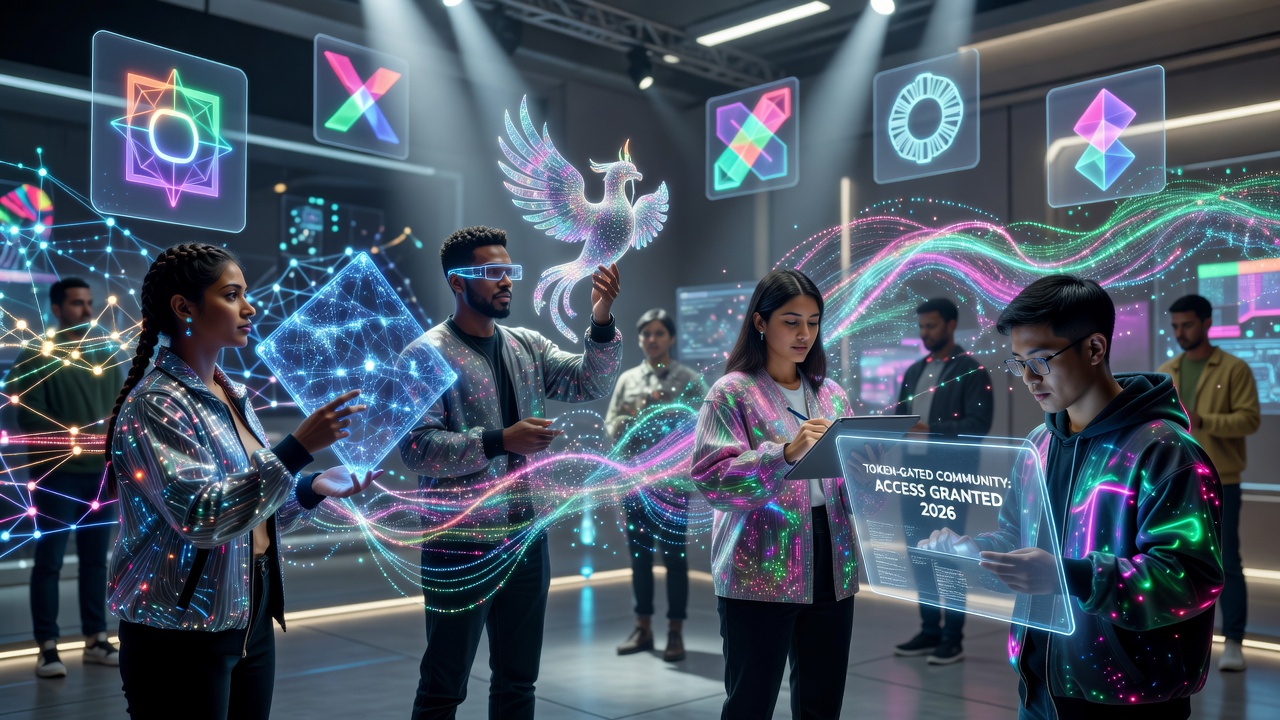
Token-gated communities allow creators to restrict access to exclusive content, events, or discussions based on token ownership. In 2026, this trend is expanding with protocols offering seamless integration for Discord-like experiences on blockchain. Examples include emerging platforms where fans hold community tokens to unlock behind-the-scenes material or live sessions, fostering deeper engagement and recurring value. Creators can set different tiers of access, such as basic membership for casual supporters and premium levels for superfans who receive personalized interactions or early content drops.
This model supports audience growth by incentivizing long-term holding and participation, leading to higher retention rates compared to open social feeds. Real-world implementations show communities growing 3-5x faster when members feel genuine ownership in the group's direction through governance tokens.
Practical Implementation Tips
Start by choosing a protocol that supports easy token minting and gating. Test with a small group of loyal followers before scaling. Monitor engagement metrics directly on-chain to refine offerings based on actual usage data.
Dynamic NFT Royalties and Revenue Streams
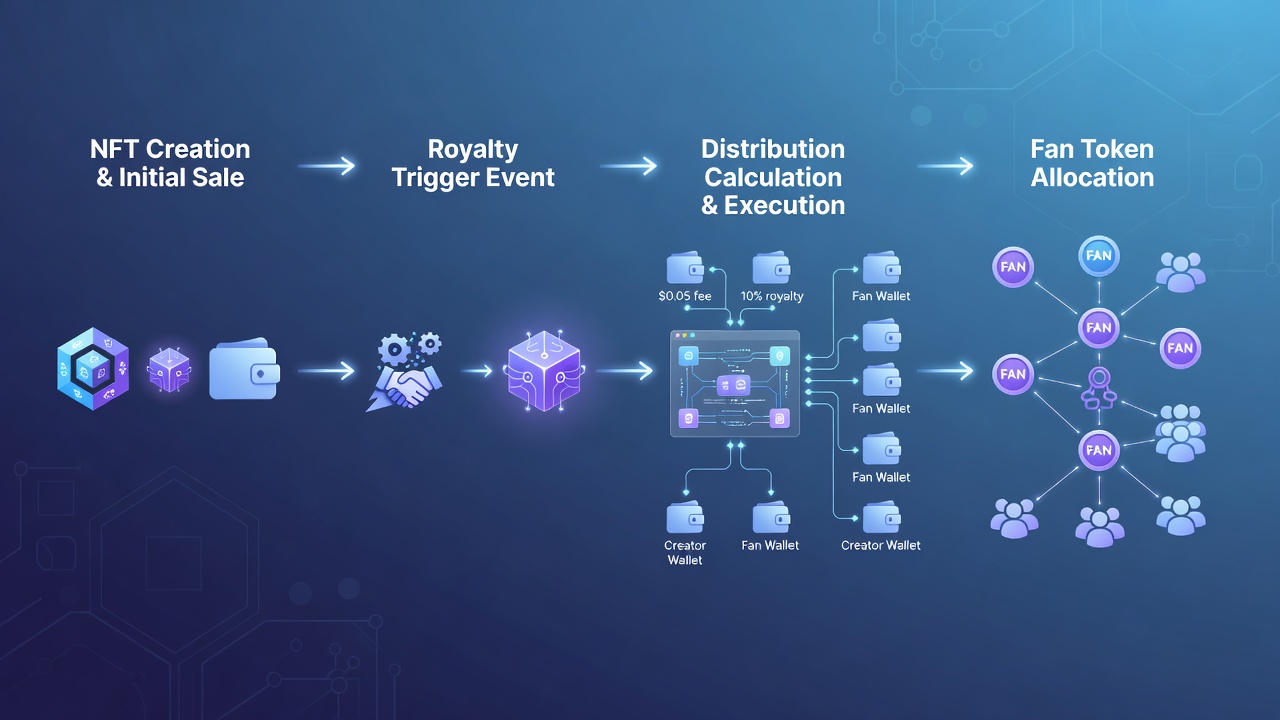
Dynamic NFT royalties automatically distribute earnings to creators on secondary sales or usage, with smart contracts enforcing percentages in real time. This innovation ensures ongoing income from resales without manual tracking. Real-world protocols demonstrate how artists can embed royalty logic that adapts to market conditions, enhancing sustainability. For instance, a musician might set royalties that increase after a certain number of resales, rewarding early supporters while maintaining creator income.
Creators benefit from transparent, automated flows that traditional licensing cannot match. In 2026, interoperability between marketplaces allows these royalties to function across multiple platforms, maximizing reach and earnings potential.
Blockchain-Based Fan Engagement Models
Fan engagement evolves through on-chain interactions like tokenized rewards, voting on content directions, and collaborative projects. Protocols in 2026 showcase measurable outcomes, including boosted audience metrics via gamified experiences tied to wallets. Ethereum Foundation resources detail how these models build verifiable loyalty through transparent ledgers.
Additional examples include fan tokens that grant voting rights on upcoming projects or collaborative NFT drops where supporters co-create and share proceeds. These approaches turn passive audiences into active stakeholders, often resulting in viral growth as members promote the ecosystem to earn rewards.
Step-by-Step Guide: Launching Your First Web3 Project
Creators can follow these practical steps to adopt Web3 tools successfully:
- Set up a compatible wallet using official guides from trusted networks, ensuring you back up your seed phrase securely and start on testnets to practice transactions without risk.
- Mint initial NFTs representing your content or access passes, choosing standards like ERC-721 for uniqueness or ERC-1155 for efficiency in batch creations.
- Integrate token-gating via community platforms built on blockchain standards, connecting your wallet and configuring access rules through no-code interfaces where possible.
- Configure dynamic royalties in smart contracts for ongoing monetization, testing the logic thoroughly to confirm percentages distribute correctly on every transaction.
- Promote your project across hybrid channels to drive initial adoption and track on-chain metrics such as wallet connections, token transfers, and engagement timestamps.
- Iterate based on feedback by updating smart contract parameters or adding new utility features to keep the community engaged over time.
This structured approach minimizes barriers and positions creators for 2026 growth forecasts by building a solid foundation that can scale with emerging tools.
Challenges, Solutions, and 2026 Forecasts
While promising, Web3 adoption involves challenges such as wallet onboarding friction and regulatory uncertainty. Solutions include educational resources, simplified interfaces, and compliance-focused protocols. Forecasts indicate substantial audience expansion through decentralized models, with creators reporting improved earnings via direct streams. Emphasis on interoperability and user-friendly interfaces will drive broader adoption, delivering tangible results in community size and revenue diversification.
FAQ: Overcoming Common Web3 Barriers
How do I set up a wallet? Start with reputable providers, secure your seed phrase offline, and connect to test networks before mainnet deployment to familiarize yourself with transactions.
Are there risks with smart contracts? Always audit contracts through established services and begin with small-scale experiments to understand execution before committing significant value.
What about audience education? Provide simple onboarding resources explaining wallet basics and token benefits to ease transitions, including video tutorials and FAQ documents tailored to non-technical fans.
How do I handle volatility in token values? Use stablecoin options for pricing where possible and focus on utility-driven tokens rather than speculative ones to maintain stable community access.
What legal considerations apply? Consult local regulations on digital assets and consider forming an entity if scaling to larger operations, while keeping initial experiments lightweight.
Addressing these concerns empowers more creators to participate effectively and build resilient Web3 presences.
Conclusion
The 2026 Web3 creator economy offers unprecedented opportunities for decentralized monetization. By embracing token-gated communities, dynamic royalties, and fan engagement models, creators can achieve ownership and sustainable growth. Start exploring these tools today to stay ahead of evolving trends and connect directly with your audience on their terms.
No comments yet. Be the first!