 CryptoChain Blog
Web3 Data Sovereignty Trends for the Decentralized Web in 2026
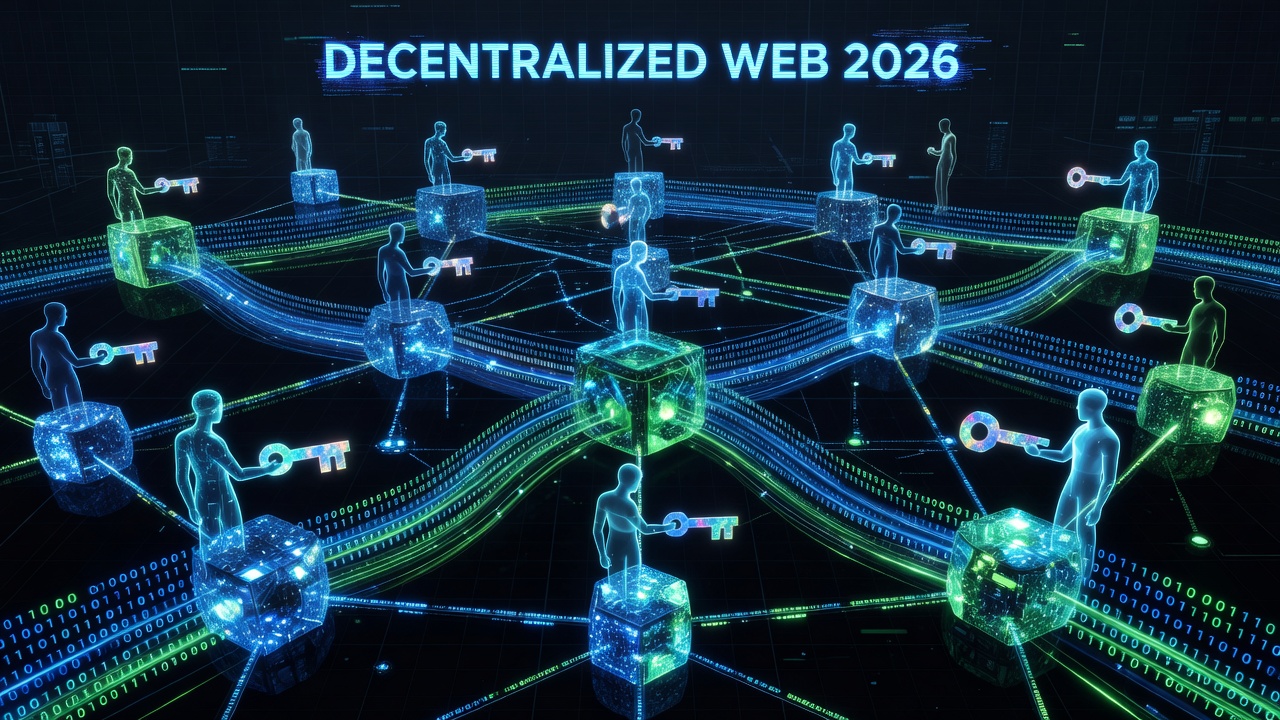
The decentralized web is evolving rapidly, placing data ownership directly in users' hands. In 2026, Web3 data sovereignty stands out as a transformative force, empowering individuals to control, monetize, and protect their personal information without relying on centralized platforms. This shift addresses long-standing issues of privacy erosion and data monopolies that defined the earlier internet eras. Users now seek future-proof strategies that integrate seamlessly with daily digital activities while prioritizing autonomy.
Understanding Web3 Data Sovereignty
Data sovereignty in Web3 refers to the principle that individuals maintain full ownership and control over their data through cryptographic keys and decentralized protocols. Unlike traditional systems where companies harvest and store user information on private servers, Web3 shifts authority to users via blockchain technology. This model prevents unauthorized access and enables seamless data portability across applications. In practice, sovereignty means that your digital footprint—from social interactions to health records—remains under your exclusive governance. Cryptographic signatures verify identity and permissions, ensuring that no single entity can alter or delete records without explicit consent. The concept builds on foundational blockchain principles of immutability and transparency, creating an ecosystem where trust is minimized and verification is maximized through distributed consensus.
Centralized vs Decentralized Data Control
Centralized systems concentrate data in corporate silos, creating single points of failure and privacy risks. Decentralized alternatives distribute data across networks, enhancing resilience and transparency. Key differences include ownership rights, where Web3 users retain cryptographic proof of ownership, and monetization potential, allowing direct earnings from data usage without intermediaries. Centralized platforms often face regulatory scrutiny for data breaches, while decentralized networks leverage redundancy to maintain uptime even during targeted attacks. Comparisons reveal stark contrasts in user agency: centralized models lock users into ecosystems with limited export options, whereas decentralized ones promote interoperability through open standards. Consider the following breakdown:
- Centralized: Data locked in company databases with limited user access and frequent policy changes that erode trust.
- Decentralized: Users manage data via wallets and smart contracts that enforce rules automatically.
- Security: Web3 uses encryption and consensus mechanisms for protection against tampering.
- Monetization: Centralized entities capture most value; decentralized marketplaces route earnings straight to individuals.
These distinctions highlight why organizations and individuals are migrating toward decentralized frameworks for long-term viability.
Blockchain Storage Solutions in 2026
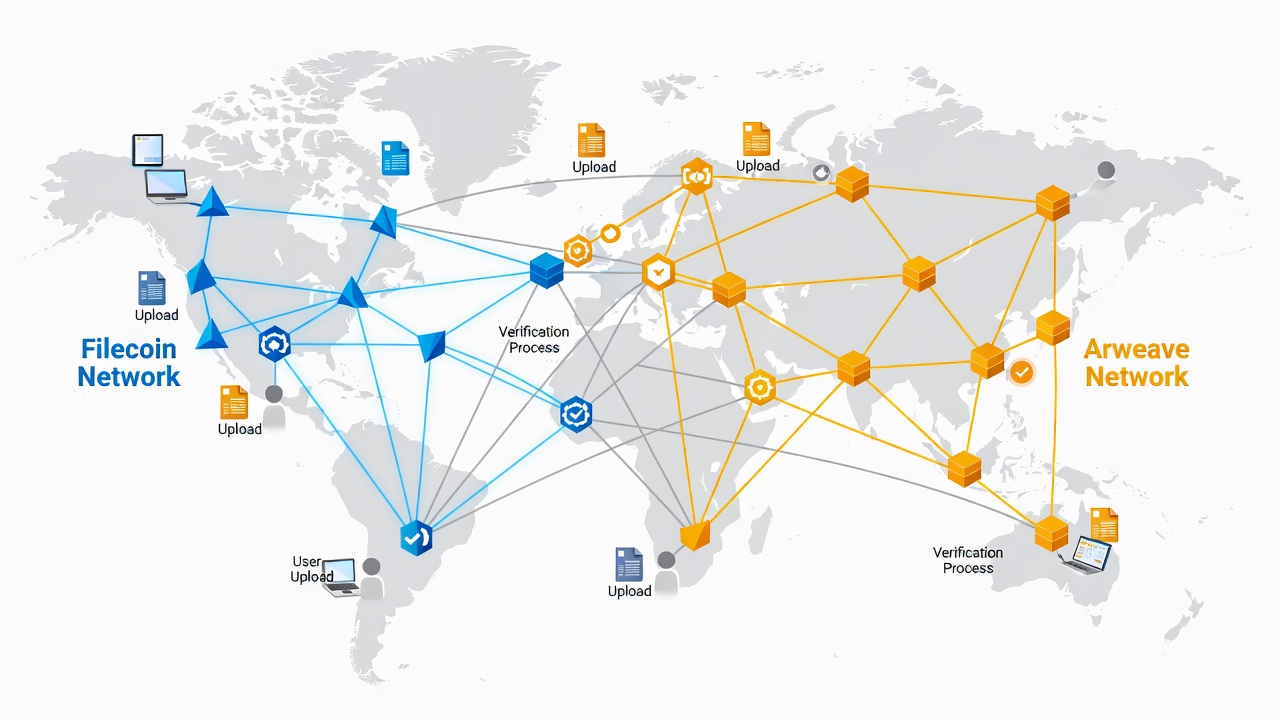
Leading projects like Filecoin and Arweave exemplify decentralized storage. Filecoin incentivizes a global network of providers to store data reliably through its native token economy, while Arweave offers permanent, one-time payment archiving ideal for long-term records such as historical documents or creative archives. These solutions integrate with emerging protocols for enhanced scalability and lower latency in 2026, incorporating advancements like sharding and cross-chain bridges. Real-world adoption shows enterprises migrating sensitive datasets to these networks for compliance and cost efficiency. Filecoin continues to expand its ecosystem with improved retrieval markets, enabling faster access to stored content. Similarly, Arweave has gained traction among content creators seeking immutable hosting that withstands censorship attempts. In 2026, integrations with AI analytics allow users to query stored data without exposing raw files, preserving sovereignty while unlocking insights. Practical use cases include journalists archiving investigative materials and developers hosting decentralized application assets.
Personal Data Marketplaces
Personal data marketplaces allow users to sell or license their information directly. Platforms built on Web3 enable granular permissions, where individuals set terms for data sharing through smart contracts. This fosters new economic models where privacy-conscious users benefit financially while maintaining control. Participants can list specific data types—such as browsing habits or location patterns—and define usage durations or recipient restrictions. Revenue flows via automated micropayments, reducing friction compared to traditional brokers. Emerging marketplaces emphasize consent management dashboards that provide real-time visibility into who accesses data and for what purpose. This transparency builds user confidence and encourages broader participation in the data economy.
Step-by-Step Guide to Claiming Data Sovereignty
Follow these practical steps to start managing your data in Web3. Each action builds toward comprehensive control and should be revisited periodically for optimal results.
- Create a secure wallet using established providers and back up your seed phrase offline in multiple secure locations to prevent loss.
- Upload files to decentralized storage networks like Filecoin or Arweave via compatible apps, selecting replication factors that match your redundancy needs.
- Tokenize your data assets using smart contracts for ownership verification, embedding metadata that specifies access conditions and royalty splits.
- Engage with data marketplaces to set access rules and track usage, monitoring transaction logs for any anomalies.
- Regularly audit permissions and revoke access as needed through dashboard tools, testing revocation effectiveness with sample queries.
Additional tips include testing small data sets first to familiarize yourself with interfaces and consulting community forums for protocol-specific best practices. Avoid reusing passwords across wallets and always verify contract addresses before interactions.
Mistakes to Avoid When Pursuing Sovereignty
Common pitfalls include neglecting seed phrase security, which can lead to permanent loss of access. Another error is overlooking smart contract audits, potentially exposing data to exploits. Users sometimes underestimate interoperability challenges when switching between storage providers, resulting in fragmented archives. Finally, ignoring regulatory developments in different jurisdictions can create compliance hurdles for cross-border data flows.
2026 Advancements and Future-Proof Strategies
Advancements in 2026 include zero-knowledge proofs for enhanced privacy during data verification and AI-driven data valuation tools that help users price their information accurately. To future-proof your strategy, diversify across multiple storage providers, stay informed on protocol upgrades through official channels, and prioritize interoperability standards. This approach ensures resilience against regulatory shifts and technological changes. Layering additional security measures such as multi-signature wallets and regular penetration testing further strengthens your position in the evolving landscape.
FAQ
How does Web3 improve data privacy compared to Web2?
Web3 uses decentralized encryption and user-controlled keys, eliminating reliance on central authorities that often experience breaches and opaque data practices.
Are Filecoin and Arweave suitable for everyday users?
Yes, both offer user-friendly interfaces and integrations that simplify storage for individuals and businesses alike, with mobile apps lowering the entry barrier significantly.
What risks exist in personal data marketplaces?
Users must verify platform security and understand smart contract terms to avoid unintended data exposure or unfavorable licensing agreements.
Can I migrate existing data to Web3 storage?
Most platforms provide migration tools that encrypt and distribute your current files across decentralized nodes while preserving original metadata.
How do zero-knowledge proofs factor into 2026 sovereignty tools?
They enable verification of data attributes without revealing the underlying information, supporting selective disclosure in marketplaces and compliance scenarios.
Conclusion
Web3 data sovereignty represents a pivotal shift toward user empowerment in 2026. By leveraging blockchain storage and marketplaces, individuals can secure lasting control over their digital lives while exploring new opportunities in the decentralized web. Implementing the outlined strategies today positions users advantageously for future innovations and regulatory landscapes.

No comments yet. Be the first!