 CryptoChain Blog
Introduction to Web3 in Supply Chain Management
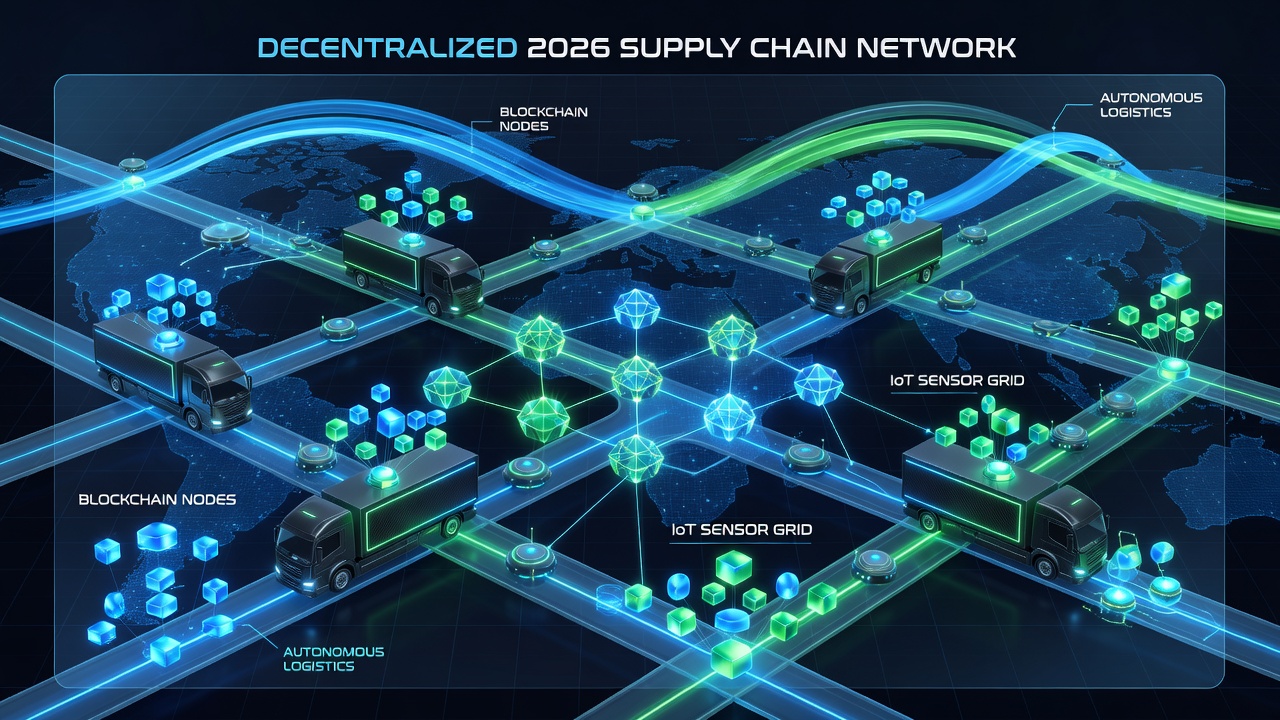
The logistics industry is undergoing a profound shift as Web3 technologies introduce unprecedented levels of transparency, automation, and decentralization. In 2026, companies are moving beyond traditional centralized systems toward blockchain-enabled networks that reduce fraud, optimize routes, and empower stakeholders with real-time data ownership. This beginner-friendly guide examines the core innovations reshaping decentralized logistics, providing practical insights for businesses exploring adoption. Web3 leverages distributed ledger technology to create trustless environments where every transaction is verifiable and immutable, fundamentally altering how goods move from manufacturer to end consumer. By integrating with existing enterprise systems, organizations can achieve greater efficiency while maintaining compliance across borders.
Traditional Supply Chains vs. Decentralized Web3 Approaches
Conventional supply chains rely on siloed databases and intermediaries, leading to delays, opacity, and high reconciliation costs. In contrast, Web3 models use distributed ledgers for immutable records shared across participants. Key differences include trust minimization, faster settlements, and enhanced traceability from raw materials to final delivery. Pros of decentralized systems include reduced single points of failure, improved collaboration among global partners, and resistance to tampering. Cons involve initial integration complexity, the need for stakeholder education, and evolving regulatory landscapes. A detailed side-by-side comparison shows Web3 delivering significant efficiency gains in multi-party ecosystems through shared visibility, cutting down on paperwork and disputes that plague legacy methods. For deeper technical foundations of blockchain, refer to resources on Ethereum.
Tokenization of Physical Goods
Tokenization converts real-world assets like shipments or inventory into digital tokens on blockchain networks. This enables fractional ownership, instant trading, and provenance tracking without intermediaries. For instance, a pallet of electronics can be represented as non-fungible or semi-fungible tokens, allowing seamless transfers and real-time ownership updates. Implementation involves minting tokens linked to IoT-verified data, ensuring authenticity from factory to consumer. In practice, this means each item carries a unique digital identity that updates automatically as it moves through checkpoints, reducing losses from counterfeiting and enabling new financing models based on tokenized inventory.
Smart Contract Automation in Logistics
Smart contracts execute predefined agreements automatically when conditions are met, such as payment release upon delivery confirmation. This eliminates manual invoicing and reduces disputes that often arise from mismatched records. In decentralized logistics, contracts can trigger route optimizations or insurance claims based on sensor data. Step-by-step adoption starts with defining contract logic in accessible languages, deploying on platforms like Ethereum, testing with sample shipments in controlled environments, and scaling via oracles for real-world inputs. Businesses often begin with simple conditional payments before advancing to complex multi-party workflows involving penalties for delays or bonuses for early arrivals.

IoT Integrations with Web3 Innovations
Internet of Things devices combined with Web3 create tamper-proof data streams that enhance decision-making. Sensors on containers feed location, temperature, and humidity directly to blockchain ledgers, creating an unbroken chain of custody. This fusion supports predictive analytics for maintenance and automated compliance reporting. Companies integrate via APIs connecting hardware to decentralized protocols, enabling end-to-end visibility without relying on central authorities. Real benefits include fewer spoilage incidents in perishable goods transport and quicker responses to disruptions like port congestion through automated rerouting suggestions.
Real-World Case Studies
VeChain has partnered with luxury brands and retailers for product authentication, achieving full traceability across global chains and demonstrating how blockchain can combat counterfeits effectively. Another example is OriginTrail, which powers decentralized knowledge graphs for pharmaceutical supply verification, ensuring drug safety and regulatory adherence. Additional adopters include major retailers experimenting with tokenized seafood tracking to verify sustainability claims. In 2026, these platforms demonstrate measurable reductions in counterfeit incidents and faster customs clearance through verifiable digital twins of physical goods. Insights from global forums highlight similar pilots succeeding at scale, as noted by the World Economic Forum.
Step-by-Step Implementation Guide
- Assess current pain points like delays or visibility gaps by auditing existing processes and gathering stakeholder input.
- Select a suitable blockchain protocol and token standard based on scalability needs and ecosystem compatibility.
- Pilot with a single supplier lane using IoT sensors to collect baseline data and refine integration points.
- Integrate smart contracts for key workflows such as automated payments and exception handling.
- Train teams on new interfaces and monitor KPIs like delivery times and error rates before full rollout across the network.
- Iterate based on feedback, incorporating additional partners and expanding to multi-modal transport scenarios.
Pros and Cons of Web3 Adoption
- Pros: Enhanced transparency across all parties, cost savings from automation of repetitive tasks, greater resilience against cyber threats and single-entity failures, plus opportunities for new revenue streams through token economies.
- Cons: Steep learning curve requiring specialized training, energy considerations for certain networks though many have shifted to sustainable models, evolving standards that demand ongoing updates, and initial capital for hardware like advanced IoT devices.
Regulatory Considerations and Challenges in 2026
Navigating regulations remains critical as governments worldwide refine frameworks for blockchain use in trade. Companies must ensure data localization compliance and audit trails meet international standards. Common challenges include interoperability between different blockchain platforms and managing privacy while preserving transparency. Solutions often involve hybrid permissioned networks that balance openness with control.
Future Outlook for Decentralized Logistics
Looking ahead, Web3 supply chain innovations will incorporate AI-driven optimizations and expanded use of decentralized identity solutions. This positions early adopters for competitive edges in sustainability reporting and consumer trust building. Continuous monitoring of technological advancements will be key to sustained success.
FAQ on Common Challenges
How does data privacy work in decentralized systems?
Zero-knowledge proofs and permissioned chains allow selective disclosure while maintaining auditability for authorized parties only.
What skills are needed for implementation?
Teams benefit from blockchain basics, smart contract auditing knowledge, IoT hardware familiarity, and change management expertise.
Are there scalability concerns in 2026?
Layer-2 solutions and sharding advancements have largely addressed throughput limitations for enterprise volumes, supporting thousands of transactions per second.
How do you handle disputes in smart contract environments?
Built-in arbitration mechanisms and oracle-fed evidence provide transparent resolution paths without traditional courts in many cases.
What is the typical timeline for a pilot project?
Most organizations complete initial pilots within three to six months, depending on complexity and partner readiness.
Conclusion
Web3 supply chain innovations are not merely incremental improvements but foundational shifts toward truly decentralized logistics. By embracing tokenization, automation, and IoT synergies, organizations position themselves for competitive advantage in 2026 and beyond. Start small, measure impact rigorously, and iterate based on proven results from early adopters to maximize returns on investment.


No comments yet. Be the first!