 CryptoChain Blog
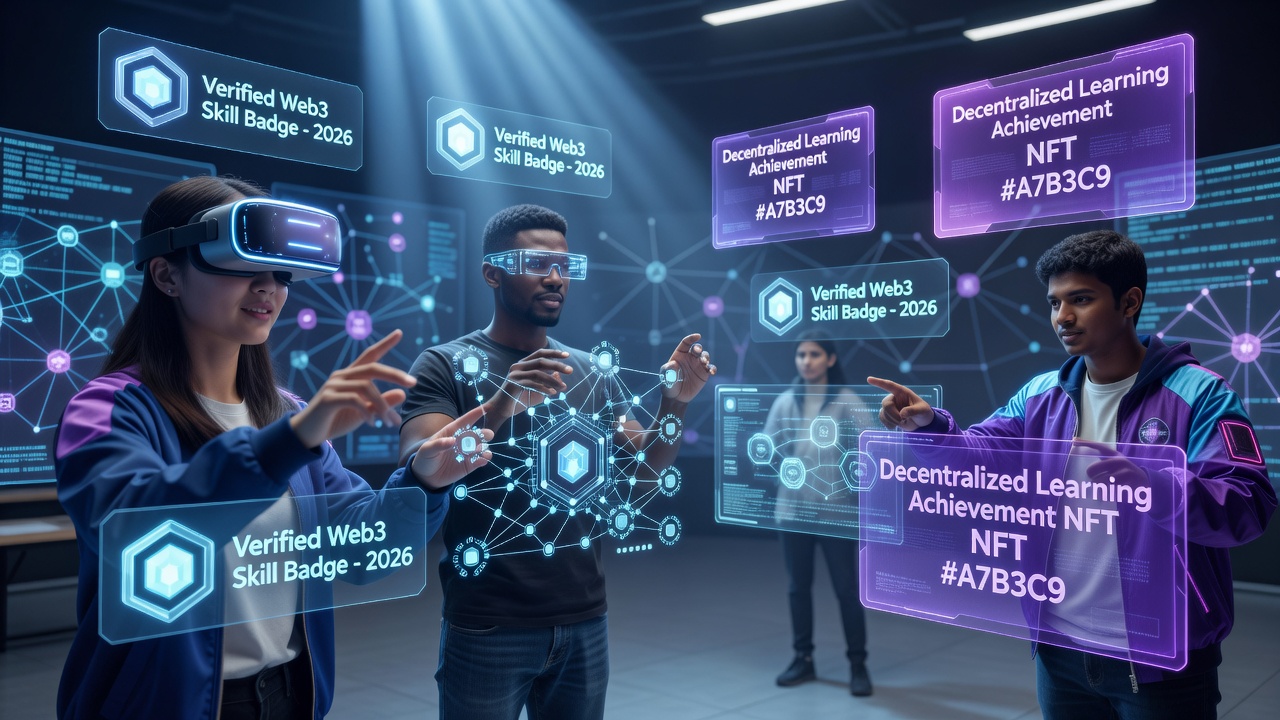
The rise of Web3 education platforms marks a pivotal shift in how knowledge is accessed, verified, and rewarded. As decentralized technologies mature, learners and educators are moving beyond centralized systems toward models that emphasize ownership, transparency, and community governance. This guide examines the key trends shaping decentralized learning in 2026, offering in-depth analysis for beginners seeking accessible alternatives to conventional online education and for educators exploring new delivery methods. The search intent behind this topic centers on understanding practical pathways to mass adoption, credential portability, and sustainable incentives that traditional MOOCs have struggled to provide at scale.
Understanding the Shift from Traditional MOOCs to Web3 Learning
Traditional massive open online courses (MOOCs) offered by platforms like Coursera or edX have democratized access to education but often fall short in credential portability and learner motivation. Certificates from these systems frequently require manual verification by employers and can be difficult to transfer across borders or institutions. Web3 alternatives leverage blockchain to issue verifiable credentials that users truly own and control through personal wallets. These credentials cannot be revoked by a central authority and can be shared across ecosystems seamlessly, creating a persistent professional record.
Comparisons reveal stark differences in user experience and outcomes. MOOCs typically provide certificates that rely on third-party verification, leading to potential delays and trust issues. In contrast, Web3 platforms embed proof directly on-chain, reducing fraud and increasing employer confidence in the authenticity of achievements. Token incentives further differentiate the models by rewarding participation, completion, and even content creation through cryptocurrencies or governance tokens. Learners in Web3 environments often report higher engagement because their efforts translate into tangible digital assets they can trade or use within communities.
Blockchain Credentials and Their Impact on Accessibility
Blockchain-based credentials enable global recognition without intermediaries such as universities or testing centers. Learners earn tamper-proof records that integrate with professional profiles on platforms like LinkedIn or decentralized identity systems. Search intent around accessibility often focuses on reducing costs and barriers for underserved regions in developing countries where traditional degrees remain expensive or logistically challenging. In practice, these systems allow anyone with an internet connection and a basic smartphone to build a portable learning history that persists regardless of institutional changes.
Mass adoption hinges on user-friendly wallets and interfaces that abstract away technical complexities like private key management. Educators benefit from built-in verification tools that streamline hiring or partnership processes, while learners gain the ability to showcase skills in real time during job applications or freelance opportunities.
NFT Certifications: Ownership and Verifiability
NFTs serve as digital badges representing course completion or skill mastery, stored permanently on public ledgers. Unlike static PDFs or email attachments, these tokens live on blockchains such as Ethereum, providing immutable proof that can be audited by anyone. Platforms issue NFTs that holders can display in metaverses, use as entry tickets to exclusive communities, or even collateralize in decentralized finance applications.
Real-world implementations show growing interest from both learners and institutions seeking innovative ways to signal achievement. For instance, completing a specialized module might unlock an NFT that grants voting rights in related educational DAOs, creating ongoing value beyond the initial learning experience.
DAO-Run Universities and Community Governance
Decentralized autonomous organizations (DAOs) are emerging as governance structures for educational entities. Members vote on curriculum, instructor compensation, and platform upgrades using tokens, ensuring decisions reflect the collective will rather than top-down mandates. This model fosters inclusivity and aligns incentives between students, teachers, and developers, often resulting in more responsive and diverse course offerings.
TalentDAO exemplifies this trend by enabling community-driven talent development programs where participants collectively shape learning pathways and reputation systems. Such structures contrast with traditional university administrations by distributing decision-making power and allowing rapid iteration based on member feedback. Educators entering this space gain opportunities to propose and lead courses that directly serve active communities rather than passive enrollees.
Ethereum Foundation resources provide foundational knowledge on the smart contracts powering these DAOs and their governance mechanisms.
Token Incentives Driving Engagement and Retention
Beyond credentials, token incentives represent a core innovation in Web3 education. Learners earn tokens for completing modules, contributing feedback, or mentoring peers, which can then be used for premium content, governance participation, or exchanged on secondary markets. This creates a self-sustaining economy where motivation stems from both intrinsic learning goals and extrinsic rewards. Examples include platforms that distribute tokens proportionally to contribution quality, encouraging high-caliber content creation from the community itself.
Real-World Examples and Platform Comparisons
Several platforms illustrate the evolving landscape. TalentDAO focuses on on-chain reputation and skill verification within decentralized teams, allowing users to build verifiable portfolios that attract Web3 job opportunities. Other initiatives combine token rewards with mentorship matching to boost long-term engagement and career outcomes. When evaluating options, consider factors such as supported blockchains, token utility, integration with existing productivity tools, and the vibrancy of their governance forums. Educators should review community activity levels and transparency in treasury management before committing resources or curriculum.
Practical Steps for Educators to Launch Web3 Courses
Educators ready to enter this space can follow these actionable steps to build and scale their offerings:
- Research and select a blockchain platform with low transaction fees and strong developer support, such as Ethereum mainnet or popular layer-2 solutions, while testing wallet compatibility across common devices.
- Set up a secure wallet and explore no-code deployment tools or partner with technical developers for smart contract integration, ensuring all code undergoes basic security audits.
- Design modular course content that maps clearly to verifiable skills, incorporating interactive elements like quizzes that trigger automatic NFT minting upon successful completion.
- Establish a DAO or join an existing one to handle ongoing governance, token distribution rules, and community moderation, starting with simple proposal systems before expanding complexity.
- Promote courses through targeted Web3 communities on platforms like Discord and Twitter Spaces while documenting compliance considerations for data privacy and consumer protection in target regions.
- Monitor learner analytics on-chain to iterate on content effectiveness and adjust incentive structures based on completion rates and feedback quality.
These steps help bridge traditional teaching experience with decentralized mechanics and reduce common onboarding friction.
Challenges and Solutions for Mass Adoption
Users searching for Web3 education often seek clarity on scalability, regulatory alignment, and ease of entry. Key hurdles include wallet onboarding friction and varying international rules on digital assets. Solutions emerging in 2026 include social login abstractions and educational sandboxes that simulate on-chain interactions without financial risk, lowering the barrier for non-technical audiences. Continued infrastructure improvements support broader accessibility across devices and languages.
Web3 Foundation initiatives continue to fund projects that enhance usability and interoperability standards essential for mainstream growth.
W3C standards documentation offers additional guidance on decentralized identity frameworks that underpin many credential systems.

FAQs on Regulatory Hurdles and ROI for Learners
What regulatory challenges do Web3 education platforms face?
Platforms must navigate varying international rules on securities classification, data privacy, and consumer protection. Token classification remains a gray area in many jurisdictions, requiring careful legal structuring and ongoing monitoring of policy developments to avoid enforcement actions.
How can learners assess ROI from Web3 courses?
Return on investment appears through enhanced employability in decentralized sectors, expanded professional networks, and potential token appreciation tied to platform success. Track outcomes via on-chain analytics showing job placements, project contributions, or community leadership roles rather than relying solely on traditional completion metrics.
Are NFT certifications widely accepted by employers?
Acceptance is growing among Web3-native companies and startups but remains limited in conventional sectors unfamiliar with blockchain verification. Hybrid approaches that combine on-chain proof with traditional references or portfolio demonstrations currently offer the strongest positioning for job seekers.
What steps mitigate risks associated with token volatility?
Learners can focus on utility-driven tokens used for governance or access rather than speculative holdings, and diversify across multiple platforms to reduce single-point exposure while building a broad skill portfolio.
Conclusion
Web3 education platforms are redefining learning through ownership, incentives, and decentralized governance. By understanding blockchain credentials, NFT certifications, DAO models, and token mechanics in detail, both learners and educators can position themselves for meaningful participation and long-term value creation in 2026 and beyond. The transition from centralized MOOCs to these dynamic systems promises greater accessibility and accountability, provided stakeholders address adoption barriers thoughtfully.


No comments yet. Be the first!