 CryptoChain Blog
Introduction to Web3 Oracles in 2026
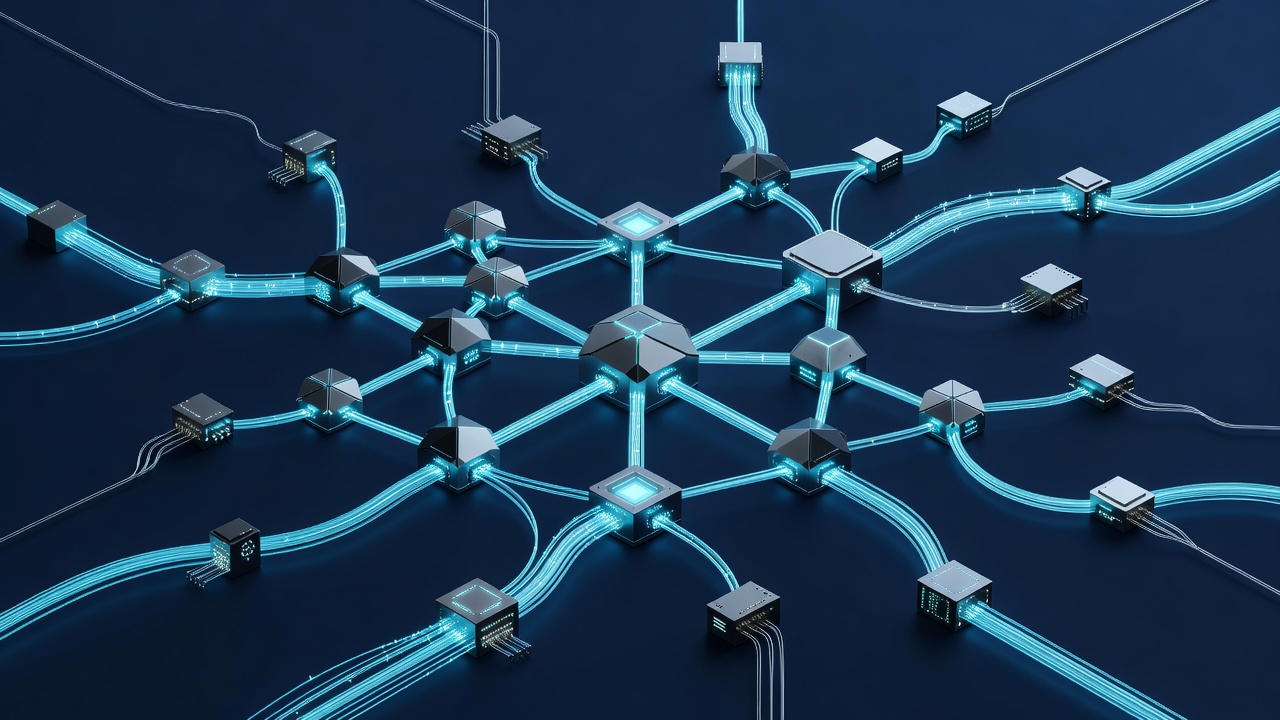
Web3 oracles have emerged as essential infrastructure that connects blockchain networks with real-world data feeds. As decentralized applications expand, these systems enable smart contracts to react to external events such as market prices, weather conditions, and supply-chain updates. In 2026, oracle innovations are driving measurable adoption across finance, insurance, and logistics sectors. Without reliable oracles, blockchains remain isolated from the physical world, limiting their utility in real-world applications. The evolution of oracle technology now includes advanced cryptographic methods, decentralized node networks, and seamless interoperability features that support high-volume data requests from thousands of decentralized applications simultaneously.
Traditional blockchains cannot access off-chain information natively. Oracles solve this limitation by delivering verified data in a trust-minimized manner. Leading protocols now support multi-source aggregation, cryptographic proofs, and cross-chain messaging, making decentralized applications more reliable than ever before. This foundational role positions oracles as a core trend shaping Web3 development throughout the year.
Understanding Scalability Challenges
Early oracle designs struggled with latency and throughput when handling thousands of data requests simultaneously. Modern networks address these issues through sharding, parallel processing, and optimized consensus mechanisms. Developers now evaluate oracle performance based on finality time, data freshness guarantees, and gas efficiency across multiple chains. Scalability bottlenecks often arise during peak market volatility when price feed updates surge dramatically. Solutions incorporate layer-2 scaling techniques and off-chain computation layers to maintain performance without compromising decentralization.
Scalability remains critical for high-frequency trading platforms and real-time gaming applications. Solutions that combine off-chain computation with on-chain verification continue to gain traction as networks mature. Testing under simulated high-load conditions helps teams identify and resolve potential delays before mainnet deployment. As blockchain ecosystems grow, oracle providers continue refining their architectures to handle exponential increases in data volume while preserving accuracy and security.
Emerging Use Cases: Dynamic DeFi Pricing and Automated Insurance
Dynamic DeFi pricing relies on accurate, tamper-resistant price feeds to execute liquidations, rebalancing, and yield optimization. Automated insurance platforms use oracles to trigger payouts based on verified events such as flight delays or crop failures. These applications reduce manual claims processing and improve transparency for policyholders. Real-world asset tokenization also depends heavily on oracles to monitor asset performance metrics like property values or commodity prices in real time.
Additional sectors including prediction markets and decentralized identity verification also benefit from oracle advancements. Integration with Internet-of-Things devices further expands possibilities for automated physical-world interactions. Supply chain management platforms leverage oracle data to confirm shipment arrivals or quality metrics, enabling conditional payments without intermediaries. These expanding applications demonstrate how oracles unlock sophisticated decentralized solutions across industries.
Cross-Chain Oracle Comparisons
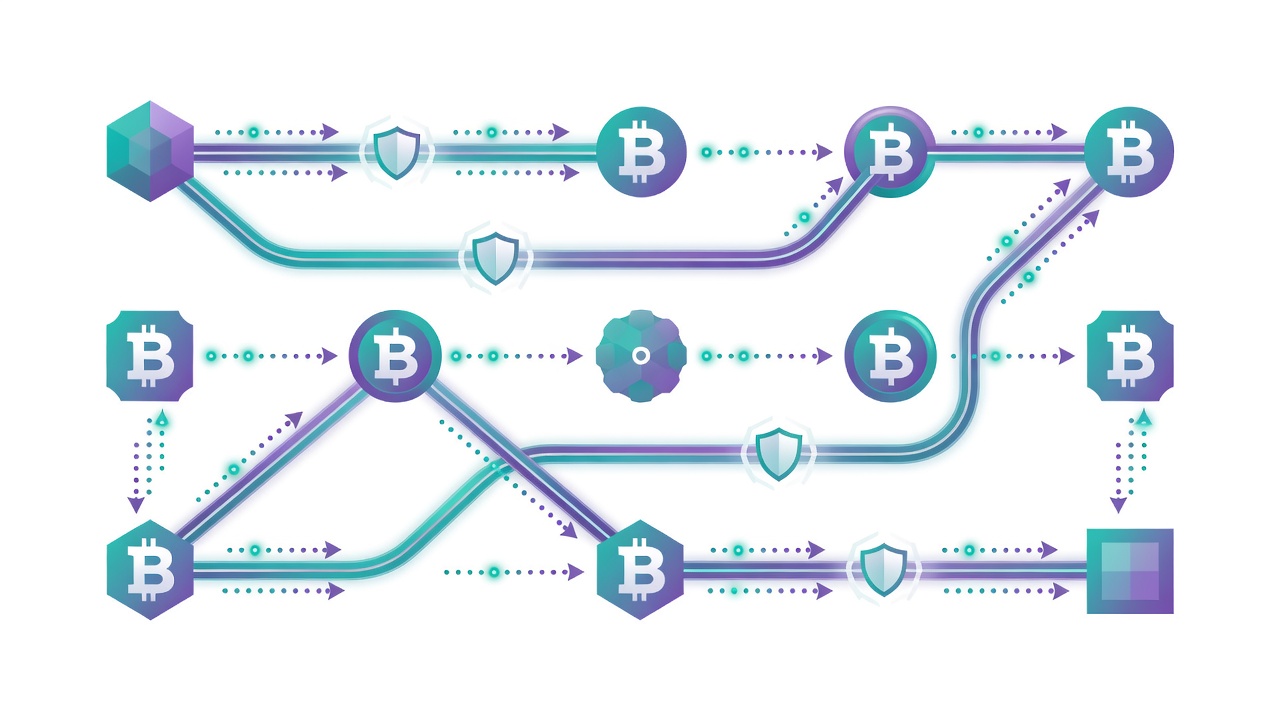
Different oracle networks offer varying approaches to data delivery. Some prioritize speed through centralized aggregation before decentralized validation, while others emphasize fully on-chain computation. Developers compare metrics such as supported chains, proof mechanisms, and economic security models when selecting providers. Network selection often depends on factors like asset coverage breadth, update frequency capabilities, and resistance to manipulation attempts.
- Network A focuses on broad asset coverage and low-latency updates suitable for volatile markets.
- Network B emphasizes cryptographic attestations and multi-party computation for enhanced trust guarantees.
- Network C excels in cross-chain messaging with native bridging capabilities across major ecosystems.
Choosing the right solution depends on the specific requirements of latency tolerance, cost sensitivity, and desired security assumptions. Comparative analyses reveal trade-offs between speed and decentralization levels that teams must weigh carefully during architecture planning.
Security Advancements and Best Practices
Security improvements include zero-knowledge proofs for data integrity, reputation-weighted node selection, and automated anomaly detection. These measures reduce single points of failure and mitigate risks from adversarial data providers. Regular audits and bug-bounty programs further strengthen protocol resilience. Economic incentives aligned with accurate reporting encourage honest participation from node operators across global networks.
Developers should implement fallback mechanisms and multi-oracle redundancy to maintain service continuity during network disruptions. Best practices also recommend continuous monitoring of data sources and rapid response protocols for detected anomalies. These layered defenses help maintain the integrity of downstream applications that depend on timely and accurate information delivery.
Integration Examples from Leading Protocols
Many decentralized exchanges now incorporate oracle data for accurate asset valuation. Lending protocols use real-time price feeds to manage collateral ratios dynamically. Insurance projects demonstrate end-to-end automation by combining oracle inputs with smart-contract execution logic. Gaming platforms utilize oracles for verifiable randomness and event outcomes that affect in-game economies.
Resources such as Ethereum.org and Chainlink provide documentation and reference implementations that accelerate development timelines. Additional guidance from established developer communities helps teams avoid common integration pitfalls and optimize performance for production environments.
Step-by-Step Implementation Checklist for Developers
- Define data requirements and acceptable latency thresholds based on application needs and user expectations.
- Evaluate oracle providers against supported chains and security models, reviewing recent audit reports and node distribution statistics.
- Implement data aggregation logic with fallback sources to ensure continuity even if primary feeds experience temporary issues.
- Conduct security audits and test edge cases on testnets, including simulated adversarial attacks and high-volume request scenarios.
- Deploy monitoring dashboards to track data freshness and accuracy, setting automated alerts for deviations beyond predefined thresholds.
- Plan upgrade paths for future protocol improvements, ensuring smart contracts remain compatible with evolving oracle standards.
Future Predictions and Measurable Innovations
By late 2026, oracle networks are expected to support deeper integration with zero-knowledge systems and modular blockchain architectures. These advancements will enable more complex financial instruments and autonomous decentralized organizations. Continued focus on interoperability will reduce fragmentation across ecosystems. Innovations in hardware-secured enclaves and decentralized identity solutions will further enhance data provenance verification processes.
Frequently Asked Questions
How do oracles ensure data accuracy?
Most modern oracles aggregate inputs from multiple independent sources and apply cryptographic verification before delivering results on-chain, reducing the impact of any single faulty provider.
What are common adoption hurdles?
Key challenges include selecting appropriate security parameters, managing integration complexity, and ensuring long-term economic incentives for node operators across diverse network conditions.
Can oracles operate across different blockchains?
Yes, leading solutions provide cross-chain capabilities that allow data to be consumed on multiple networks with consistent guarantees and minimal additional configuration.
How do developers handle oracle downtime risks?
Teams implement redundant feeds from multiple providers and automated fallback logic within smart contracts to maintain operations during temporary outages.
What role will oracles play in regulatory compliance?
Oracles increasingly support verifiable data trails that help decentralized applications meet emerging compliance requirements in various jurisdictions worldwide.
Conclusion
Web3 oracles continue to evolve as foundational components of the decentralized web. By addressing scalability, enhancing security, and unlocking sophisticated use cases, these networks are shaping the trajectory of blockchain adoption through 2026 and beyond. Developers and organizations that invest in robust oracle strategies position themselves to capitalize on the growing demand for reliable, real-world data integration in decentralized environments.

No comments yet. Be the first!