 CryptoChain Blog
Introduction to Web3 Energy Trading in 2026
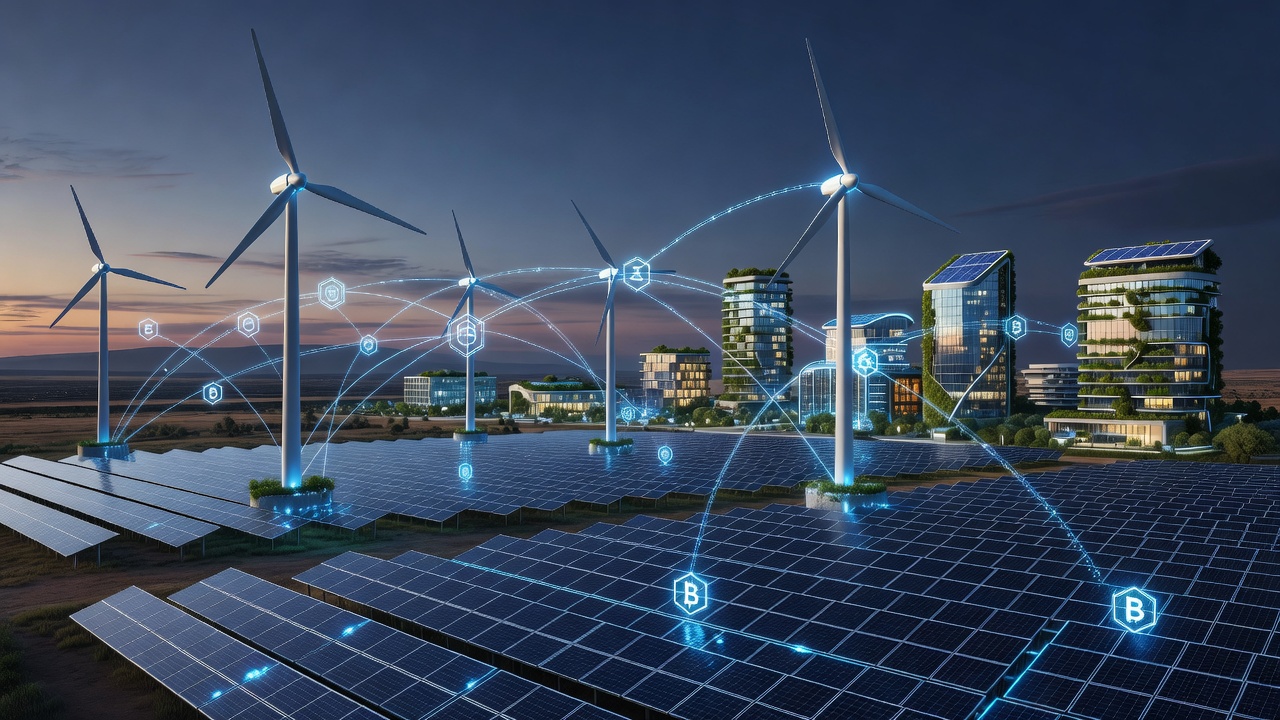
The energy sector is undergoing a profound shift as web3 technologies enable decentralized power markets. Blockchain platforms now facilitate peer-to-peer (P2P) energy trading, allowing households and businesses to buy and sell electricity directly without traditional intermediaries. This article dives deep into 2026 trends, covering practical applications for sustainable infrastructure and emerging opportunities in decentralized systems. As global demand for renewable sources accelerates, web3 solutions offer the transparency and efficiency needed to manage complex energy flows across distributed networks. In 2026, adoption is driven by falling hardware costs for solar and battery storage combined with maturing blockchain infrastructure that supports high-volume micro-transactions.
Web3 innovations build on distributed ledger technology to create transparent, secure transactions. In energy contexts, this means real-time matching of supply and demand across microgrids, reducing reliance on centralized utilities. Early adopters report improved price discovery and lower transmission losses because energy is consumed closer to where it is generated. The integration of decentralized finance elements also allows participants to collateralize future energy production for immediate liquidity, opening new financing avenues for renewable projects.
Tokenization of Renewable Energy Credits
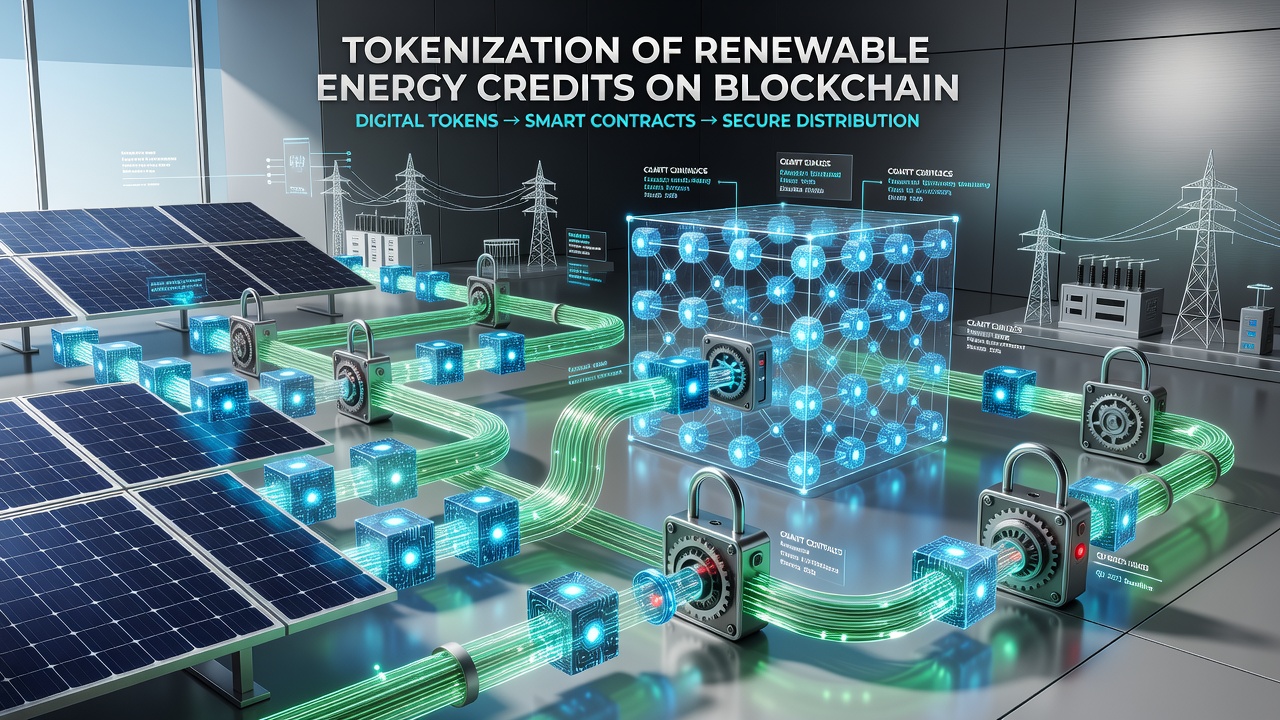
Tokenization converts renewable energy credits (RECs) into digital assets on blockchain networks. Each token represents a verified unit of clean energy production, enabling fractional ownership and easier trading. This approach increases liquidity and accessibility for smaller producers who previously faced high barriers in traditional certificate markets. Smart contracts automatically verify generation data from IoT meters and issue tokens only when predefined conditions are met, eliminating manual audits that often delay credit monetization.
By 2026, platforms are integrating smart contracts to automate REC verification and issuance. For instance, solar farm operators can mint tokens instantly upon generation, streamlining compliance with sustainability standards. International Energy Agency resources highlight how such mechanisms support global decarbonization goals. Additional benefits include the ability to bundle REC tokens with carbon offset credits, creating composite green assets that appeal to ESG-focused investors. Token standards such as ERC-1155 allow multiple REC vintages to coexist on a single contract, simplifying portfolio management for corporate buyers.
Benefits of REC Tokenization
- Enhanced transparency through immutable records that regulators and buyers can audit in real time
- Reduced transaction costs via automation that removes third-party verifiers
- Broader participation from retail investors who can purchase fractional tokens starting at small denominations
- Improved traceability that prevents double-counting of environmental attributes across jurisdictions
Smart Grid Integrations with Blockchain
Smart grids equipped with IoT sensors and blockchain create resilient energy networks. These systems enable dynamic pricing and automated settlements in P2P trades. Decentralized ledgers ensure data integrity across distributed nodes, mitigating risks of single-point failures common in legacy grids. Real-time telemetry from smart meters feeds directly into on-chain oracles, triggering automatic payments when energy is delivered and verified. This reduces billing disputes and accelerates cash flow for small-scale producers.
Integration examples include Ethereum-based protocols that handle energy flow data securely. Businesses adopting these see improved forecasting accuracy and grid stability. Advanced implementations also incorporate demand-response programs where participants earn token rewards for reducing consumption during peak hours, helping balance intermittent renewable output without expensive peaker plants.
Real-World Case Studies from 2026 Deployments
In 2026, several pilots demonstrate scalable web3 energy solutions. European microgrids in Germany and the Netherlands have implemented blockchain P2P platforms, connecting thousands of prosumers. These networks use local consensus mechanisms to settle trades every 15 minutes, resulting in measurable reductions in grid congestion. Asian deployments in Singapore focus on urban solar trading, allowing high-rise residents to buy and sell rooftop generation within the same district. U.S. projects emphasize utility-scale wind integration, where large turbines tokenize output and sell directly to data centers seeking 24/7 carbon-free power.
These cases reveal faster settlement times and higher renewable penetration rates compared to traditional models. One German cooperative reported a 28 percent increase in local renewable utilization after switching to blockchain settlement, while maintaining the same reliability standards as the national grid operator.
Centralized vs Decentralized Energy Models
Understanding the differences helps stakeholders evaluate transitions. The table below compares key aspects.
| Aspect | Centralized Model | Decentralized Model |
|---|---|---|
| Control | Utility-dominated decision making | Peer-to-peer networks with community governance |
| Transparency | Limited visibility into pricing and sourcing | Full ledger access for all participants |
| Scalability | Infrastructure-heavy upgrades required | Modular and flexible node additions |
| Costs | High intermediary fees and administrative overhead | Lower operational overhead through automation |
| Resilience | Vulnerable to widespread outages from single failures | Distributed redundancy that isolates faults |
| Innovation speed | Slow regulatory approval cycles | Rapid iteration via open-source protocols |
Implementation Steps for Businesses
Adopting web3 energy trading requires a structured approach that minimizes risk while capturing value:
- Assess current infrastructure and identify blockchain-compatible assets such as existing smart meters or solar inverters that can export data via APIs.
- Select a suitable platform with proven smart contract security, preferably one that has undergone third-party audits and supports energy-specific token standards.
- Pilot tokenization of RECs in a controlled microgrid environment, starting with a single building or campus before expanding to neighboring participants.
- Integrate IoT devices for real-time data feeds, ensuring all sensors are calibrated and connected to redundant oracles to prevent data manipulation.
- Train teams on regulatory compliance and cybersecurity protocols, including wallet management and incident response procedures specific to energy trading.
- Scale gradually while monitoring performance metrics such as transaction latency, settlement success rate, and participant retention.
Regulatory Hurdles and Scalability Challenges
Regulatory frameworks lag behind technological advances. Jurisdictions vary in recognizing blockchain-based energy contracts, creating compliance complexities for cross-border trades. Scalability concerns include network congestion during peak trading periods and energy consumption of certain consensus mechanisms. In 2026, many platforms have migrated to proof-of-stake or specialized energy-efficient chains to address environmental concerns.
Addressing these involves collaboration with policymakers and adoption of energy-efficient protocols like proof-of-stake. Ethereum documentation offers insights into sustainable blockchain design. Additional hurdles include data privacy regulations that may conflict with public ledger requirements, necessitating hybrid on-chain and off-chain architectures.
Mistakes to Avoid When Entering Decentralized Energy Markets
Common pitfalls include underestimating integration complexity with legacy utility billing systems, neglecting to secure adequate insurance for smart contract failures, and rushing to scale without sufficient pilot data. Organizations should also avoid selecting platforms without clear upgrade paths or community governance models that align with their long-term sustainability objectives.
FAQs on Adoption Costs and Security Best Practices
What are typical adoption considerations for web3 energy platforms?
Costs depend on scale but generally involve initial setup for hardware and software integration. Focus on qualitative factors like long-term savings from efficiency gains rather than fixed figures. Many projects begin with grant funding or pilot subsidies available through national green innovation programs.
How can businesses ensure security in decentralized trading?
Implement multi-signature wallets, regular audits, and encryption standards. Use established frameworks from World Economic Forum guidelines for best practices in blockchain security. Additional measures include role-based access controls and continuous monitoring of oracle data feeds for anomalies.
Are there specific risks with smart contracts in energy markets?
Yes, vulnerabilities like code exploits exist. Mitigation includes thorough testing and bug bounty programs before deployment. Energy-specific risks also involve physical grid safety, so smart contracts should include circuit-breaker functions that halt trading if sensor data indicates unsafe operating conditions.
Conclusion
Web3 energy trading represents a pivotal evolution toward sustainable, decentralized power markets in 2026. By leveraging tokenization, smart grids, and P2P mechanisms, organizations can unlock new efficiencies while navigating regulatory landscapes. Businesses that follow structured implementation steps position themselves for competitive advantages in the emerging decentralized economy. Continued collaboration between technologists, regulators, and energy professionals will determine how quickly these innovations scale to meet global climate targets.


No comments yet. Be the first!