 CryptoChain Blog

Introduction to Web3 in Travel
The travel industry is undergoing a profound shift as Web3 technologies introduce decentralized alternatives to traditional booking platforms. In 2026, travelers are increasingly turning to blockchain-powered solutions that eliminate intermediaries, enhance transparency, and offer greater control over personal data and rewards. This evolution addresses long-standing pain points like high fees, opaque pricing, and inflexible loyalty programs by leveraging smart contracts, tokenization, and decentralized autonomous organizations (DAOs).
Decentralized booking marketplaces allow direct connections between travelers and service providers, while NFTs and tokenized loyalty points create portable, interoperable rewards. Secure peer-to-peer accommodations powered by smart contracts reduce risks associated with centralized platforms. This article delves into these innovations, offering case studies, fee comparisons, and step-by-step guidance for integrating Web3 tools into your travel planning. The Web3 Foundation highlights how decentralized protocols are fostering innovation across sectors including hospitality and tourism.
Blockchain-Powered Decentralized Booking Marketplaces
Traditional online travel agencies (OTAs) charge commissions that can reach 15-25% per booking. Decentralized marketplaces built on blockchain reduce these costs by connecting users directly through peer-to-peer protocols. Platforms operate on public ledgers where listings, reviews, and payments are verifiable and immutable. This structure removes single points of failure and prevents arbitrary account suspensions that plague centralized services.
Key benefits include censorship resistance and global accessibility. Travelers can search for accommodations, flights, or experiences without relying on a single corporate gatekeeper. Smart contracts automate payments upon fulfillment of conditions, such as check-in confirmation via oracle feeds. Additional advantages encompass real-time settlement, reduced currency conversion fees for international trips, and the ability for smaller providers to list directly without high listing fees.
Real-world examples show platforms enabling fractional ownership of vacation properties through tokenized assets. This allows multiple users to co-own and manage bookings democratically via DAO voting mechanisms. Users benefit from transparent pricing histories stored on-chain, helping them identify fair market rates without hidden markups.
Tokenized Loyalty Points and NFTs for Travel Rewards
Loyalty programs in legacy systems often trap points within closed ecosystems. Web3 transforms this with tokenized points that function as tradable assets on secondary markets. NFTs serve as unique digital collectibles representing exclusive experiences, such as VIP airport lounge access or personalized itineraries. These tokens can appreciate in value or be exchanged for other services within the ecosystem.
- Interoperability: Tokens can be redeemed across partner networks without conversion losses.
- Ownership: Users truly own their rewards, transferable to wallets or sold for other cryptocurrencies.
- Customization: NFTs unlock dynamic rewards based on travel history stored on-chain.
- Community governance: Token holders vote on new reward categories or partner expansions.
Adoption strategies involve bridging existing points to blockchain via partner integrations, allowing seamless migration for frequent flyers. For instance, airlines experimenting with NFT-based memberships grant holders priority boarding and upgrade eligibility that persists across multiple carriers.
Secure Peer-to-Peer Accommodations Using Smart Contracts
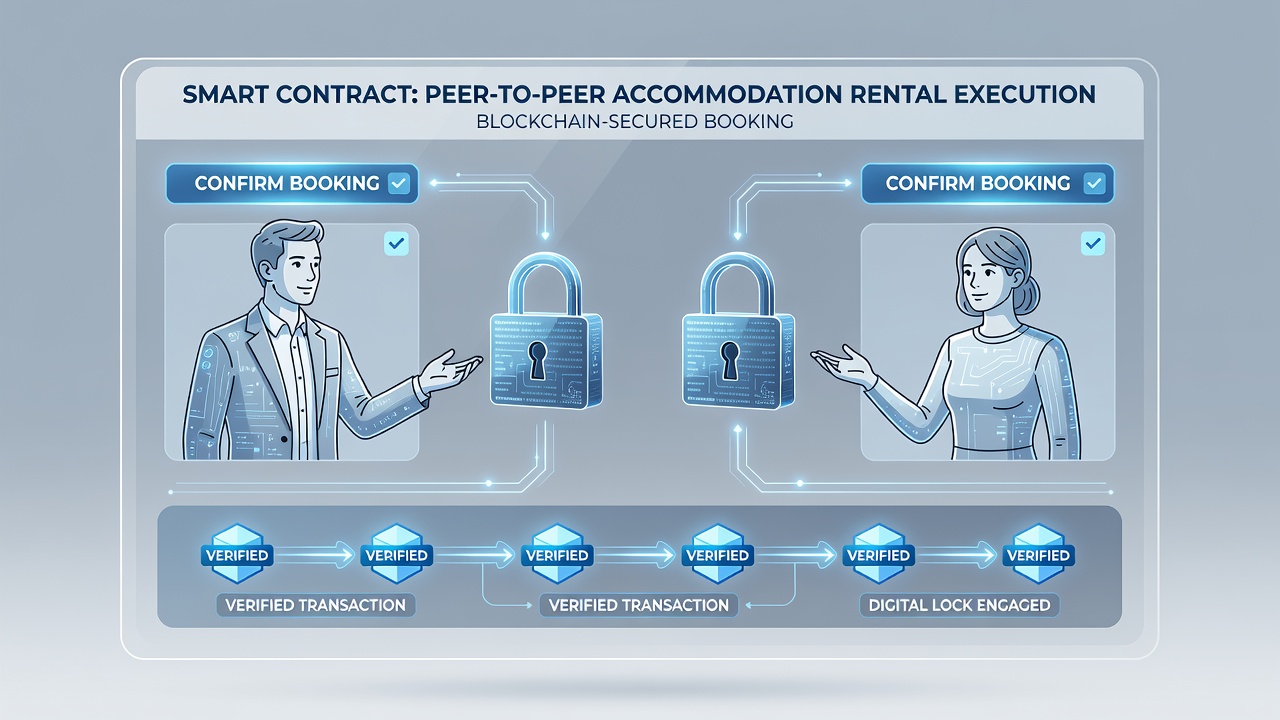
Smart contracts enable trustless bookings where funds are held in escrow and released only after verified milestones. This mitigates fraud risks common in centralized peer-to-peer rentals. Security features include multi-signature approvals and decentralized identity verification. Travelers connect their Web3 wallets to sign agreements, with disputes resolved through community-governed arbitration rather than corporate policies.
Additional layers of protection involve encrypted communication channels and reputation scores calculated from on-chain activity. These systems ensure that both hosts and guests maintain verifiable histories, building trust without relying on third-party reviews that can be manipulated.
Case Studies of Decentralized Travel DAOs
Several travel-focused DAOs have emerged as leaders. One example coordinates collective bargaining for group travel deals, using on-chain governance to allocate funds. Another DAO tokenizes unique experiences like eco-tours, distributing revenue proportionally to token holders. A third initiative focuses on sustainable travel by rewarding participants with tokens for choosing low-carbon options verified through integrated data oracles.
These models demonstrate how community ownership drives innovation, with members proposing new destinations or service improvements voted on transparently. Participants gain not only financial returns but also influence over the future direction of travel offerings.
Gas Fees Versus Centralized Fees Comparison
Centralized platforms hide fees in service charges, while blockchain transactions incur gas costs that fluctuate with network demand. In practice, decentralized options often prove more economical for mid-to-high value bookings due to the absence of intermediary markups. Travelers should monitor Layer-2 solutions for reduced costs and faster confirmations. Comparisons reveal that while base-layer fees can vary, optimized networks deliver consistent savings, especially when batching multiple transactions such as booking plus reward redemption.
Step-by-Step Guide for Integrating Web3 Wallets
- Choose a compatible wallet supporting multiple chains, such as MetaMask or WalletConnect-enabled apps, and enable hardware wallet integration for extra security.
- Acquire cryptocurrency through reputable exchanges and transfer to your wallet, starting with stablecoins to minimize volatility exposure.
- Connect the wallet to decentralized travel platforms for browsing listings, ensuring the site uses verified contract addresses.
- Review smart contract terms before signing bookings, paying close attention to cancellation clauses encoded in the code.
- Monitor transactions on blockchain explorers and manage NFTs in your portfolio, using portfolio trackers for real-time valuation.
- Participate in DAO governance by staking tokens if you plan frequent use of a particular platform.
Start with small test transactions to familiarize yourself with the process before larger bookings. Always keep seed phrases offline and use multi-factor authentication where supported.
Common Mistakes to Avoid When Adopting Web3 Travel Tools
Many newcomers overlook wallet security best practices or fail to verify contract audits before committing funds. Another frequent error is ignoring network congestion periods, which can inflate costs unexpectedly. Travelers should also diversify across a few platforms rather than relying on a single DAO to mitigate governance risks.
Conclusion
Web3 travel trends in 2026 empower users with decentralized tools that prioritize transparency, ownership, and efficiency. By understanding marketplaces, tokenized rewards, and smart contract mechanics, travelers can adopt these innovations confidently for superior experiences. Resources like the Ethereum project site provide further technical background on the underlying protocols.
FAQ
Is decentralized travel booking secure?
Yes, when using audited smart contracts and reputable wallets, though users should always verify contract addresses and enable two-factor authentication where available. On-chain transparency further reduces hidden risks compared to opaque centralized systems.
How accessible is Web3 for non-technical travelers?
Many platforms now offer user-friendly interfaces with guided onboarding, making entry simpler than early blockchain applications. Mobile-first designs and social login alternatives help bridge the gap for mainstream users.
What about data privacy in decentralized systems?
Web3 emphasizes user-controlled data through zero-knowledge proofs and selective disclosure, reducing exposure compared to centralized databases. Travelers retain ownership of their booking histories without third-party storage vulnerabilities.
Can I still use traditional payment methods alongside Web3 options?
Hybrid platforms increasingly support both fiat on-ramps and crypto payments, allowing gradual transition while enjoying decentralized benefits for specific transactions.


No comments yet. Be the first!