 CryptoChain Blog
Introduction to Web3 in Sports
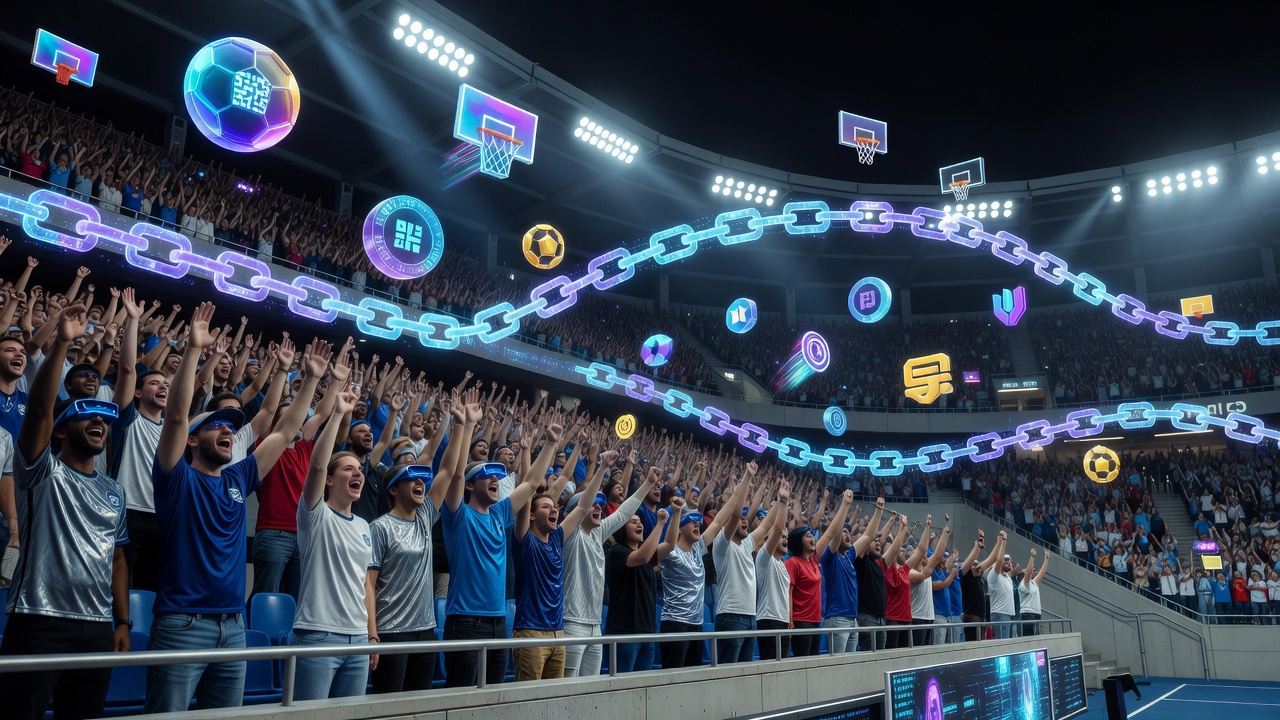
The sports industry is undergoing a profound shift as Web3 technologies enable more direct, ownership-driven relationships between teams and fans. In 2026, decentralized fan engagement is moving beyond experimental pilots into mainstream adoption, powered by blockchain-based tools that reward loyalty and create new revenue streams. This article examines key innovations like fan tokens, decentralized ticketing systems, and NFT collectibles while offering practical guidance for organizations and enthusiasts. Fans today seek more than passive viewing; they want involvement in club decisions, verifiable ownership of memorable moments, and seamless digital experiences that transcend traditional boundaries. Web3 delivers these through transparent ledgers, smart contracts, and community governance, reshaping how sports organizations connect with global audiences.
Fan Tokens: Rewarding Engagement Through Ownership
Fan tokens allow supporters to participate in club decisions, access exclusive experiences, and earn rewards. Major leagues such as the NBA and European football clubs have integrated these assets to deepen community ties. Tokenomics models vary widely; some emphasize governance voting while others focus on utility perks like merchandise discounts or meet-and-greet events. The core appeal lies in turning passive fans into active stakeholders who influence everything from jersey designs to charity initiatives. This model fosters long-term loyalty because token holders often receive ongoing benefits tied to team performance and fan milestones.
Case Studies from Major Leagues
The NBA has explored fan token integrations through partnerships that reward digital engagement. Similarly, soccer clubs in La Liga and the Premier League have launched tokens that tie performance on the pitch to fan rewards. These examples demonstrate how early adopters are building sustainable ecosystems that blend entertainment with financial incentives. Additional real-world cases include NFL teams experimenting with blockchain loyalty programs and international cricket franchises using tokens for fan polls on match strategies. Each case highlights measurable increases in engagement metrics, such as higher social media interaction and repeat attendance.
Decentralized Ticketing: Eliminating Fraud and Scalping
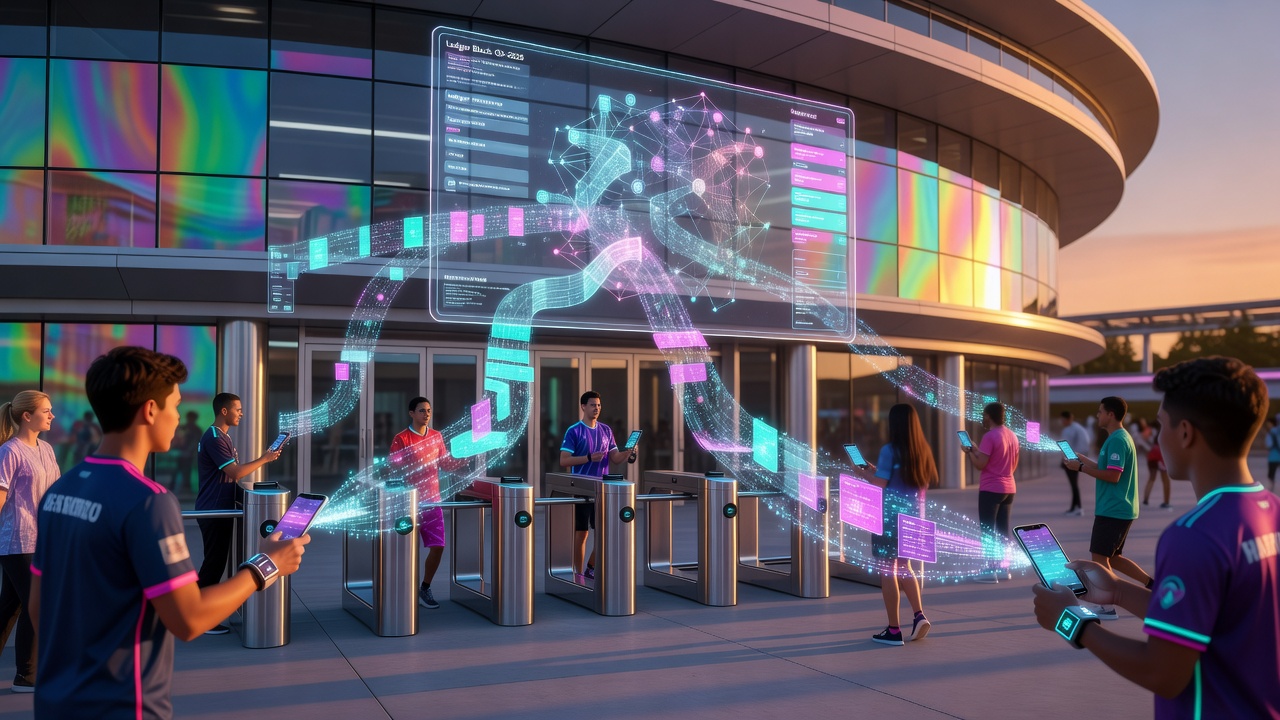
Traditional ticketing platforms suffer from secondary market abuse and counterfeit issues. Web3 solutions use NFTs to create verifiable, transferable tickets on the blockchain. This approach ensures authenticity while allowing fans to resell seats transparently. Teams benefit from built-in royalties and real-time data on attendance patterns. Implementation often involves mobile apps that scan QR codes linked to unique NFTs, reducing queues and enhancing security at venues worldwide. Sports organizations report fewer disputes over ticket ownership and improved fan trust when adopting these systems.
NFT Collectibles: Digital Ownership of Moments
NFTs capture iconic plays, player cards, and virtual merchandise. In 2026, interoperability across platforms is improving, letting fans display collectibles in metaverse environments or trade them seamlessly. Successful projects combine rarity mechanics with real-world utility such as VIP access. Collectors can now bridge digital assets to physical events, for instance redeeming an NFT for stadium tours or signed memorabilia. This evolution expands the collector base beyond traditional sports memorabilia enthusiasts into younger, digitally native audiences.
Comparing Tokenomics Models
Understanding different tokenomics approaches helps teams select the right strategy for their fan base. Governance-focused models emphasize voting power on club matters, suitable for highly engaged communities that want direct influence. Utility-first models prioritize perks like event access and rewards, driving daily interaction and retention. Hybrid approaches combine both for balanced growth and retention, often incorporating staking mechanisms that reward long-term holders with additional benefits. When evaluating options, organizations should analyze community size, existing digital infrastructure, and desired engagement depth to avoid overcomplicating the user experience.
- Governance-focused: Emphasizes voting power on club matters, suitable for highly engaged communities.
- Utility-first: Prioritizes perks like event access and rewards, driving daily interaction.
- Hybrid approaches: Combine both for balanced growth and retention.
Steps for Teams to Launch Web3 Fan Experiences
- Assess audience readiness through surveys and existing social metrics to gauge interest in blockchain features.
- Choose a blockchain with strong scalability and low fees, such as Ethereum or layer-2 solutions, ensuring compatibility with mobile-first fan behaviors.
- Partner with established Web3 platforms for secure smart contract development that includes audit trails and upgrade paths.
- Design clear token utility and governance rules upfront, documenting them in accessible whitepapers for transparency.
- Launch with educational campaigns to onboard non-technical fans, including video tutorials and community webinars.
- Monitor regulatory developments and implement compliance measures from day one, consulting legal experts familiar with digital assets.
- Iterate based on user feedback by tracking on-chain analytics and adjusting reward structures quarterly.
Benefits for Fans and Teams
Fans gain true ownership, personalized rewards, and a voice in club direction, leading to deeper emotional connections. Teams enjoy new monetization avenues, richer data insights, and global reach without traditional intermediaries. These mutual advantages create resilient communities that withstand market fluctuations better than purely transactional models.
Challenges and Practical Solutions
Technical barriers such as wallet complexity can deter newcomers, but solutions like account abstraction and fiat on-ramps simplify entry. Regulatory uncertainty remains a concern across jurisdictions, yet proactive compliance frameworks and clear disclosures mitigate risks. Scalability issues on certain blockchains are addressed through layer-2 networks that maintain speed during peak events like playoffs.
2026 Predictions and Actionable Insights
Forward-looking trends point to deeper integration of AI with fan tokens for personalized experiences and wider use of decentralized autonomous organizations (DAOs) for fan-led initiatives. Beginners should start small with NFT drops, while pros can explore cross-league collaborations. Regulatory clarity is expected to improve, reducing barriers for global expansion. Organizations are advised to pilot programs in one sport season before full rollout, measuring key performance indicators such as token retention rates and fan participation scores.
FAQs on Regulatory and Technical Challenges
What are the main regulatory hurdles for fan tokens?
Securities laws vary by jurisdiction, requiring careful structuring to avoid classification as investment contracts. Teams should consult legal experts early and maintain detailed records of token distribution and utility.
How do technical challenges like wallet onboarding affect adoption?
Simplifying user interfaces with social logins and gasless transactions helps bridge the gap for mainstream fans unfamiliar with crypto wallets, leading to higher conversion rates from traditional ticket buyers.
Are there environmental concerns with blockchain in sports?
Many projects now use proof-of-stake networks that dramatically lower energy consumption compared to older models, aligning with sustainability goals of major leagues.
What happens if a fan token project fails?
Teams should build in exit strategies such as token buyback provisions or migration paths to ensure fans retain value or access even if the platform evolves.
Conclusion
Web3 sports trends in 2026 promise richer, more participatory fan experiences. By understanding tokenomics, studying successful case studies, and following structured launch steps, both organizations and supporters can thrive in this decentralized landscape. The future belongs to those who embrace ownership and transparency today, turning every match into a shared digital journey.
No comments yet. Be the first!